A practical, building-by-building resource for living and buying in Honolulu’s urban core
Living, Lifestyle, and Luxury Condominium Real Estate in Honolulu’s Urban Core
Kakaʻako and Ala Moana sit at the center of Honolulu’s urban coastline, offering a lifestyle that blends city energy with immediate access to the ocean, parks, dining, and daily conveniences. Over the past two decades, these neighborhoods have become two of the most sought-after areas for condominium living on Oʻahu, particularly among buyers seeking walkability, modern residences, and a highly connected way of life.
This guide is designed as a long-term resource for anyone exploring Kakaʻako and Ala Moana, whether you are relocating, investing, or simply trying to understand how these neighborhoods function day to day. It provides context on lifestyle, neighborhood character, and how the luxury condominium market works, with a particular focus on what varies from building to building and why those differences matter.
Where Kakaʻako and Ala Moana Are Located
Kakaʻako and Ala Moana occupy a central stretch of Honolulu between Waikīkī and the downtown business district. Ala Moana lies closest to Waikīkī and is anchored by Ala Moana Beach Park and Ala Moana Center, while Kakaʻako sits just east of Ala Moana and extends toward downtown Honolulu.
This location places residents within minutes of beaches, shopping, dining, medical facilities, and major employment centers. For many buyers, this central positioning is one of the strongest draws, allowing daily life to unfold without long commutes or heavy reliance on driving.
A Brief History of Kakaʻako and Ala Moana
Understanding the history of Kakaʻako and Ala Moana adds important context to how these neighborhoods function today and why they feel distinct despite their close proximity.
The Origins of Kakaʻako
Long before high-rise residences and master-planned developments, Kakaʻako was an important coastal plain used by Native Hawaiians for fishing, salt production, and gathering. The area’s proximity to the ocean made it well suited for salt ponds, which were historically used to produce paʻakai, an essential resource for food preservation, trade, and daily life in Hawaiʻi.
The name Kakaʻako is commonly understood to reference a rocky or rough shoreline, reflecting the area’s natural coastal landscape prior to development. This shoreline character influenced how the land was used for generations before urbanization began.
In the late 19th and early 20th centuries, Kakaʻako transitioned into an industrial and commercial zone as Honolulu expanded. Warehouses, repair yards, and light industrial uses became common, shaping the area into a working district that supported the growing city rather than a residential neighborhood. For decades, Kakaʻako remained largely utilitarian, defined by wide streets, low-rise structures, and limited public access to the waterfront.
The modern transformation of Kakaʻako began in earnest in the early 2000s, driven by long-term urban planning initiatives aimed at reconnecting Honolulu’s urban core to the ocean. Through coordinated development, infrastructure investment, and the creation of public parks and walkable streets, Kakaʻako evolved into a mixed-use neighborhood that integrates residential living, public spaces, retail, and dining. Today’s Kakaʻako reflects this layered history, blending cultural roots, industrial legacy, and contemporary urban design.
The Meaning and Development of Ala Moana
Ala Moana translates to “path to the sea,” a name that reflects the area’s historical role as a coastal corridor connecting inland communities to the ocean. Prior to large-scale development, the area consisted of wetlands and shoreline landscapes that were gradually reshaped as Honolulu expanded westward.
Ala Moana’s modern identity took shape in the mid-20th century with the creation of Ala Moana Beach Park and the development of Ala Moana Center. These projects established the neighborhood as a central destination for recreation, shopping, and residential living. Over time, Ala Moana became one of Honolulu’s most established areas for condominium ownership, offering direct beach access alongside urban conveniences.
Together, Kakaʻako and Ala Moana illustrate different chapters of Honolulu’s growth, from traditional coastal use to industrial support zones to today’s highly livable urban neighborhoods. Their histories continue to influence how each area feels, functions, and is experienced day to day.
Why Buyers Choose Kakaʻako and Ala Moana
Lifestyle and Daily Living
One of the primary reasons buyers are drawn to Kakaʻako and Ala Moana is the ability to integrate everyday activities into a compact, walkable area. Beaches, parks, grocery stores, coffee shops, fitness studios, and restaurants are often accessible within a short walk. This creates a daily rhythm that feels efficient and connected.
Amenity-Focused Living With Reduced Upkeep
Luxury condominium living appeals to buyers who want access to amenities and professional building management without the maintenance responsibilities of a single-family home. Shared spaces such as pools, fitness centers, lounges, and outdoor gathering areas allow owners to enjoy a full lifestyle with less hands-on upkeep.
Long-Term Appeal of Central Urban Locations
Kakaʻako and Ala Moana have consistently attracted buyer interest due to their location, infrastructure, and range of housing options. While market conditions fluctuate, these neighborhoods remain central to Honolulu’s long-term urban planning and residential demand.
Why Kakaʻako and Ala Moana Are So Well Known
Kakaʻako and Ala Moana have become two of Honolulu’s most recognizable neighborhoods because they sit at the intersection of location, lifestyle, and long-term urban planning. Their reputation is not based on a single attraction, but on how consistently they deliver a high-quality day-to-day living experience.
Central Location Within Honolulu
Both neighborhoods occupy a rare position between Waikīkī and downtown Honolulu, placing residents close to beaches, employment centers, dining, healthcare, and retail. This centrality allows people to live without feeling isolated or overly dependent on long commutes, which is a defining advantage in Honolulu.
Direct Access to the Ocean and Public Spaces
Ala Moana Beach Park and Kakaʻako Waterfront Park are among the most heavily used and beloved public spaces on Oʻahu. The ability to walk from home to the beach, park, or waterfront path is a major reason these neighborhoods are so desirable. Few urban areas offer this level of access to open space alongside dense residential living.
Thoughtful Urban Development
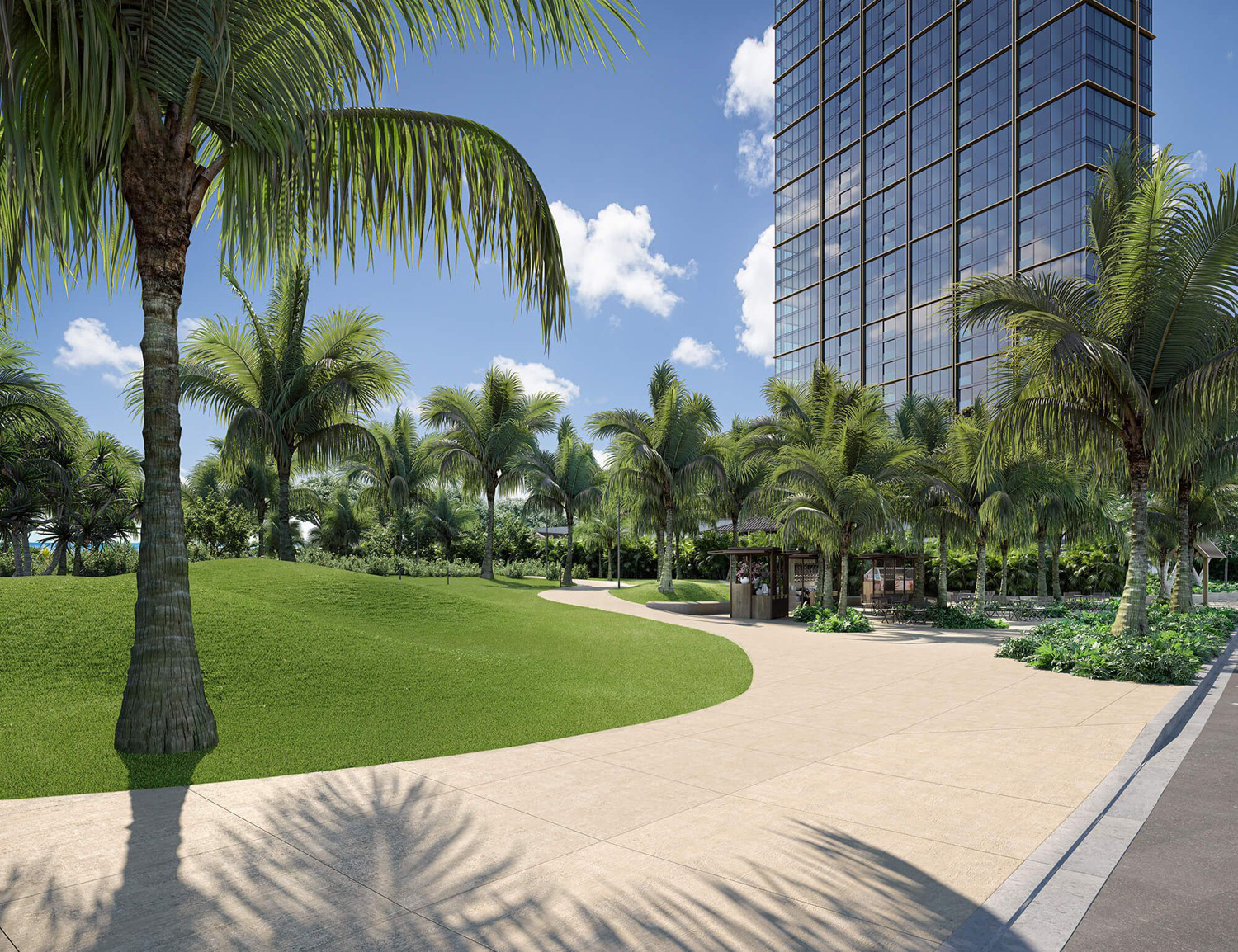
Kakaʻako, in particular, is known for its master-planned approach to urban growth. Residential towers are integrated with parks, retail, dining, and pedestrian-friendly streets rather than existing as isolated buildings. This planning has helped create a neighborhood that feels cohesive and livable rather than purely vertical.
Ala Moana’s development occurred earlier, but it remains one of Honolulu’s most established condominium districts, offering a mix of older and newer buildings anchored by long-standing infrastructure such as Ala Moana Center and the beach park.
Lifestyle That Balances Energy and Ease
Kakaʻako and Ala Moana are active without feeling overwhelming. Residents can participate in a vibrant dining and cultural scene while still enjoying quiet mornings, outdoor exercise, and a sense of routine. This balance is a key reason the neighborhoods appeal to full-time residents, part-time residents, and those relocating from major cities.
Long-Term Recognition and Demand
Over time, these neighborhoods have earned a reputation for consistency. While individual buildings and market conditions change, Kakaʻako and Ala Moana continue to attract interest due to their location, infrastructure, and range of housing options. This sustained demand has made them some of the most talked-about and sought-after areas for condominium living in Honolulu.
Weather and Climate in Kakaʻako and Ala Moana
Kakaʻako and Ala Moana benefit from Honolulu’s year-round tropical climate, with relatively consistent temperatures and cooling trade winds that shape daily life in these coastal neighborhoods.
Average daytime temperatures typically range from the mid-70s to mid-80s throughout the year, with slightly warmer conditions in the summer months and cooler evenings during the winter. Because both neighborhoods sit along the coast, ocean breezes help moderate heat and contribute to a generally comfortable outdoor environment.
Rainfall in Kakaʻako and Ala Moana is lower than in many windward or mauka areas of Oʻahu. These neighborhoods sit on the leeward side of the island and typically receive approximately 15 to 20 inches of rain per year, compared with significantly higher totals in windward communities.
The wetter season generally runs from November through March, when passing showers are more common, while the drier months from April through October tend to see longer stretches of clear weather. Even during the wetter months, rainfall is often brief and localized rather than sustained.
Trade winds, which are more prevalent from late spring through early fall, can influence how individual units feel depending on orientation and elevation. Residences with good cross-ventilation may experience reduced reliance on air conditioning, while higher floors often benefit from stronger airflow and clearer skies.
Climate considerations also play a role in building design and lifestyle. Covered lanais, shaded amenity decks, operable windows, and indoor-outdoor common spaces are common features in many luxury buildings, reflecting the expectation that residents will spend time outside year-round.
Understanding local weather patterns and rainfall averages can be helpful when comparing unit orientation, view corridors, lanai usability, and overall comfort, particularly for buyers relocating from outside Hawaiʻi.
Best Time of Year to Be in Kakaʻako and Ala Moana
Kakaʻako and Ala Moana are enjoyable year-round, but many residents find that late spring through early fall offers the most consistently dry and breezy conditions. From April through October, rainfall tends to be lower, days are longer, and trade winds help keep temperatures comfortable, making this period ideal for beach time, outdoor dining, and walking the neighborhoods.
The winter months, generally from December through March, do see increased rainfall compared to the rest of the year. Showers are typically brief and intermittent rather than all-day rain, and temperatures remain warm, often in the 70s during the day. Even during this wetter season, outdoor activities remain very much part of daily life, and many residents appreciate the slightly cooler evenings and greener landscapes.
Because temperatures stay relatively stable throughout the year, the best time to be in Kakaʻako or Ala Moana often comes down to personal preference around rainfall, trade winds, and seasonal activity rather than weather limitations.
Things to Do, Attractions, and More in Kakaʻako and Ala Moana
One of the defining characteristics of Kakaʻako and Ala Moana is how seamlessly daily living blends with recreation, dining, and cultural experiences. Rather than feeling separated into residential and entertainment zones, these neighborhoods allow residents to move easily between work, leisure, and outdoor time.
Dining, Coffee, and Everyday Favorites in Kakaʻako
One of the true joys of living in Kakaʻako is the food. Whether you are craving local comfort dishes, modern Hawaiian fusion, or a perfectly made cappuccino, the neighborhood offers a dining scene that feels both elevated and approachable. With open-air seating, walkability between destinations, and a steady rotation of food events and pop-ups, dining in Kakaʻako is woven into everyday life.
Neighborhood standouts include:
offers an intimate, design-forward fine-dining experience with a seasonal tasting menu rooted in local ingredients. It is a favorite among those who appreciate thoughtful, chef-driven cuisine.
pairs a creative cocktail program with a multi-course dining experience in a sleek, intimate setting. It is well suited for evenings that feel intentional and refined.
, located at the base of Anaha, brings a farm-to-table approach to fine dining with an elegant island sensibility. It is a popular choice for celebrations and special occasions.
is a quietly beloved Italian restaurant known for handmade pasta, rotating specials, and a warm, understated atmosphere that lends itself well to date nights or relaxed dinners.
delivers Turkish and Mediterranean cuisine in a stylish, welcoming setting. Shared plates, cocktails, and ocean views make it a consistent neighborhood favorite.
Coffee in Kakaʻako
Kakaʻako’s coffee scene reflects the neighborhood itself, creative, relaxed, and community-oriented. Cafés here often double as informal meeting spaces and remote work spots.
, located within SALT, channels an Australian café culture with beautifully prepared espresso drinks, minimalist interiors, and consistently lively energy.
is known for its inventive signature drinks, open layout, and strong design sensibility, making it a popular stop for both workdays and weekends.
, situated in Ward Village, combines a gourmet market atmosphere with expertly crafted coffee and light bites, offering a refined start to the day.
Casual Dining and Takeout in Kakaʻako
For everyday meals, Kakaʻako offers a wide range of casual options that balance quality and convenience.
in SALT is a go-to for happy hour, brunch, and casual dinners, with a menu focused on locally sourced ingredients and wood-fired flavors.
provides a lively brewery setting with indoor and outdoor seating, local beers, and approachable comfort food, making it ideal for group gatherings.
is a dependable option for flavorful, no-frills Thai dishes that work well for quick lunches or takeout.
is known for fresh poke, sashimi, and local-style seafood plates, making it a popular choice for an efficient, high-quality meal.
focuses on smoothies, bowls, wraps, and fresh salads, appealing to those looking for lighter, health-forward options.
Dining, Coffee, and Everyday Favorites in Ala Moana
Ala Moana’s dining scene is refined, diverse, and deeply integrated into daily life, shaped by long-standing restaurants, destination dining within Ala Moana Center, and neighborhood favorites just beyond it. The emphasis here is on quality, consistency, and accessibility rather than trend-driven concepts.
Restaurants in Ala Moana
offers a traditional, high-level omakase experience with a focus on precision, seasonality, and restraint. It is a destination for those who appreciate classical sushi craftsmanship in an intimate setting.
is known for its meticulous tempura courses, highlighting technique and ingredient quality. The experience is quiet, focused, and well suited for diners who value Japanese culinary tradition.
delivers a polished dining experience with a menu that balances refinement and approachability. It is often chosen for relaxed dinners that still feel elevated.
specializes in premium wagyu shabu-shabu, offering a dining experience centered on high-quality ingredients and a communal, unhurried pace.
Casual Dining in Ala Moana
For everyday meals, Ala Moana provides a strong lineup of casual options that are dependable and well suited to regular routines.
is a favorite for ramen and noodles, known for rich broths and consistent execution.
offers comforting Japanese dishes in a relaxed setting, making it a popular choice for casual dinners and takeout.
focuses on traditional Korean comfort food with a straightforward, no-frills approach that emphasizes flavor and authenticity.
, located within Ala Moana Center, provides a light-filled dining environment with a menu that works well for brunch, lunch, or an easy mid-day meal.
Coffee in Ala Moana
Coffee culture in Ala Moana is woven into daily routines, with cafés that serve as convenient stops before work, after beach time, or between errands.
is a long-standing favorite known for its European-style café atmosphere and loyal local following.
blends high-quality espresso drinks with island-inspired flavors, making it a popular stop for both residents and visitors.
focuses on locally roasted coffee and approachable café environments, well suited for both quick stops and longer stays.
offers a relaxed setting with coffee, light bites, and seating that works well for casual meetings or downtime.
Together, the dining and coffee scenes in Kakaʻako and Ala Moana complement one another, offering residents variety without requiring travel across the city.
Easy Day Trips From Kakaʻako and Ala Moana
Another advantage of living in Kakaʻako or Ala Moana is how easily residents can access other parts of Oʻahu for day trips while still returning home to a central, urban base.
The North Shore is approximately a 45- to 60-minute drive, depending on traffic, and offers a dramatically different pace. Known for its expansive beaches, surf culture, and small town feel, the North Shore is a popular destination for weekend mornings, winter surf watching, and casual dining stops in Haleʻiwa.
Kailua and Lanikai, located on the windward side of the island, are also easy day trips from town. These areas are known for their turquoise water, wide beaches, and residential neighborhoods. Many residents enjoy heading to Kailua for beach time, kayaking, or lunch before returning to Kakaʻako or Ala Moana later in the day.
Other common day trips include hiking in Mānoa or Māʻili, exploring the east side coastline toward Makapuʻu, or spending time on the west side beaches during calmer summer months. Because Kakaʻako and Ala Moana sit near major arterial routes, accessing different parts of the island is relatively straightforward.
For many residents, this flexibility is a key benefit. It allows for variety and exploration without sacrificing the convenience and connectivity of urban living.
Understanding the Scale of the Condominium Market
Between Kakaʻako and Ala Moana, there are nearly 100 condominium buildings, approximately 46 in Kakaʻako and 49 in Ala Moana. These buildings vary widely in age, size, ownership structure, monthly fees, amenities, and overall living experience.
At first glance, the number of options can feel overwhelming. In practice, most buyers narrow their focus quickly once priorities are defined. Factors such as total monthly costs, preferred level of amenities, building density, layout size, and long-term livability tend to reduce the field from dozens of buildings to a small, manageable shortlist.
The goal is not to see every building. It is to identify the ones that align with how you want to live, both now and over time.
Types of Luxury Condominium Living in Kakaʻako and Ala Moana
While every building is unique, most luxury condominiums in these neighborhoods fall into a few broad categories.
High-Amenity, Newer Towers
These buildings emphasize shared amenities and services. Residents often enjoy pools, fitness centers, lounges, entertainment areas, and concierge-style services. Interiors tend to be contemporary, with efficient layouts and strong connections to views and outdoor spaces.
Examples include Victoria Place and Kōʻula.
Established Luxury Buildings
Established luxury buildings typically offer larger residences and more generous layouts. While amenities may be more streamlined compared to newer towers, these buildings often appeal to buyers who value interior space, privacy, and a more settled residential atmosphere.
Examples include Waiea and Anaha.
Boutique or Lower-Density Buildings
Boutique or lower-density properties feature fewer residences and a quieter overall feel. These buildings often attract buyers who prioritize privacy and space while still wanting proximity to shopping, dining, and beach access.
A notable example is Park Lane.
Entry-Level and Higher-Tier Luxury Options
Within the luxury category, price points and experiences vary. Some buildings offer a more accessible entry into newer developments, while others emphasize scale, exclusivity, or specific lifestyle features.
Examples include Aʻeo and Aʻaliʻi.
Once buyers identify which category best fits their priorities, comparisons become far more focused and effective.
Buying a Luxury Condo in Kakaʻako and Ala Moana
Purchasing a luxury condominium in Kakaʻako or Ala Moana is fundamentally different from buying a single-family home and even from purchasing a condominium in other parts of Oʻahu. These neighborhoods are highly urban, dense, and diverse at the building level, with meaningful differences that directly affect daily living, long-term satisfaction, and overall cost of ownership.
Rather than a one-size-fits-all market, Kakaʻako and Ala Moana require a more thoughtful, building-by-building approach. Understanding how ownership structure, fees, governance, and design vary across properties allows buyers to move forward with clarity instead of relying solely on price, square footage, or marketing materials.
Total Cost of Ownership
The purchase price of a condominium is only one component of what it actually costs to own. In Kakaʻako and Ala Moana, evaluating total monthly and annual carrying costs is essential, as these can vary significantly from building to building.
Typical ownership costs include mortgage payments, property taxes, HOA or maintenance fees, insurance, utilities not covered by the association, and potential special assessments. In newer luxury towers, HOA fees may reflect extensive shared amenities, on-site staff, and long-term reserve planning. In more established buildings, fees may be lower or structured differently, but buyers should still understand how reserves are funded and maintained.
Comparing total monthly costs across buildings often provides more useful insight than comparing list prices alone, particularly when deciding between newer high-amenity towers and established luxury properties.
Fee Simple and Leasehold Ownership
In Hawaiʻi, condominiums may be owned as either fee simple or leasehold, and the distinction has meaningful implications.
Most condominium units in Kakaʻako and Ala Moana are fee simple, meaning the owner holds title to both the unit and an undivided interest in the underlying land. This ownership structure is generally preferred by buyers and lenders due to its long-term stability and financing flexibility.
A smaller number of buildings and individual units remain leasehold, where the unit is owned but the land is leased for a defined period. Leasehold ownership introduces additional considerations related to financing availability, resale value, lease terms, and future land renegotiations. Ownership type should always be confirmed early in the process so it can be evaluated in the context of your goals, timeline, and comfort level.
Building Age, Design, and Layout
Luxury condominium buildings in Kakaʻako and Ala Moana span multiple development cycles, and age alone does not determine quality or desirability. Newer buildings often emphasize contemporary finishes, efficient layouts, and shared amenities, while established buildings may offer larger interior spaces, higher ceilings, or design features that are difficult to replicate today.
Buyers commonly compare factors such as natural light, unit orientation, privacy, lanai size and usability, storage, ceiling height, and overall floor plan flow. How a residence lives on a day-to-day basis often matters more than raw square footage, particularly in high-rise environments.
HOA Financial Health and Governance
Reviewing homeowners association materials is a critical part of the due diligence process. These documents provide insight into how a building is managed and how future expenses are anticipated and handled.
Commonly reviewed materials include operating budgets, reserve studies, insurance policies, meeting minutes, and disclosures regarding upcoming maintenance or capital projects. A well-managed association with adequate reserves can reduce the likelihood of unexpected assessments and provide greater long-term predictability for owners.
Rules, Restrictions, and Lifestyle Fit
Each condominium building operates under its own set of bylaws, house rules, and policies that shape daily life. These rules can affect pet ownership, parking arrangements, renovation guidelines, use of common areas, and rental restrictions.
Buyers should review these rules carefully to ensure alignment with their intended use of the property, whether that includes full-time living, part-time occupancy, or long-term rental considerations. Assumptions about flexibility can lead to frustration if expectations are not aligned with building policies.
Amenities and How They Impact Daily Living
Amenities are often a defining feature of luxury condominium living in Kakaʻako and Ala Moana, but their value varies significantly depending on how they are designed, maintained, and actually used.
Newer luxury towers tend to emphasize expansive amenity decks that may include resort-style pools, fitness centers, yoga or movement studios, spas, saunas, steam rooms, private dining rooms, lounges, theater rooms, guest suites, and outdoor gathering spaces. In some buildings, amenities are designed to support daily routines such as working from home, exercising without leaving the property, or hosting visitors.
Established luxury buildings often offer a more streamlined amenity approach. While they may not have the same volume of shared spaces, these buildings frequently appeal to buyers who prioritize larger residences, privacy, and quieter common areas over extensive amenity programming.
When evaluating amenities, buyers should consider not only what is offered, but how those amenities function in practice. Factors such as the number of residences sharing the amenities, reservation policies, staffing, maintenance standards, and long-term operating costs all influence the experience.
It is also important to understand how amenities are reflected in monthly fees. Buildings with extensive amenity offerings typically carry higher HOA fees to support staffing, utilities, and long-term maintenance. For some buyers, this tradeoff makes sense as it replaces external gym memberships or club access. For others, a simpler amenity package may better align with their lifestyle and cost preferences.
Rather than viewing amenities as a checklist, the most effective approach is to assess whether a building’s amenities genuinely support how you live day to day.
Neighborhood and Block-Level Considerations
Even within the same neighborhood, the experience of living in a particular building can vary based on its immediate surroundings. Proximity to the beach, parks, retail, and dining, as well as nearby development activity, traffic patterns, and street-level energy, all influence daily living.
Visiting a building and its surrounding area at different times of day can provide valuable perspective that is not always apparent during a single showing.
How Buyers Typically Narrow Their Options
With nearly 100 condominium buildings across Kakaʻako and Ala Moana, the most effective approach is not to view everything, but to narrow the field intentionally. Once price range, preferred lifestyle, amenity expectations, and ownership structure are defined, the universe of options usually shrinks quickly.
From there, side-by-side comparisons of a focused group of buildings allow buyers to evaluate meaningful differences in layout, costs, governance, and overall livability. This process tends to create clarity and confidence, reducing decision fatigue and helping buyers move forward with intention.
Common Buyer Oversights
Buyers new to the Kakaʻako and Ala Moana market often encounter similar challenges. These include comparing list prices without evaluating total monthly costs, overlooking HOA reserves and upcoming projects, confusing fee simple and leasehold ownership, assuming rental flexibility without confirming the rules, and relying on a single visit to assess a building or surrounding area.
When Kakaʻako or Ala Moana May Be a Good Fit
This style of living often aligns well with buyers who value a centrally located, urban environment with shared amenities and professional management. It may be less suitable for those who strongly prefer land ownership, a private yard, or minimizing recurring monthly costs.
Where to Stay When Visiting Kakaʻako and Ala Moana
For buyers and visitors who want to experience Kakaʻako and Ala Moana before committing to a purchase, staying nearby provides valuable context for how the neighborhoods feel day to day. While there are limited hotel options directly within Kakaʻako, several well-established luxury hotels in the adjacent Waikīkī area offer convenient access while maintaining a high standard of service and comfort.
The Royal Hawaiian
Known as the “Pink Palace of the Pacific,” The Royal Hawaiian offers a classic luxury experience directly on Waikīkī Beach. Its central location makes it easy to reach Ala Moana and Kakaʻako while enjoying a historic property with refined amenities and beachfront access.
Halekulani
Halekulani is widely regarded as one of Honolulu’s most understated luxury hotels. Known for its quiet elegance, exceptional service, and oceanfront setting, it appeals to guests who value discretion, comfort, and a sense of calm. Its location allows for quick access to Ala Moana and Kakaʻako without feeling immersed in a high-energy resort environment.
Moana Surfrider
Often referred to as the “First Lady of Waikīkī,” the Moana Surfrider blends historic charm with modern luxury. Its beachfront location, spacious public areas, and refined atmosphere make it a popular choice for visitors seeking a classic Waikīkī experience while remaining close to Ala Moana and Kakaʻako.
ʻAlohilani Resort Waikīkī Beach
ʻAlohilani offers a contemporary luxury experience with a strong emphasis on design, wellness, and ocean views. With modern rooms, resort-style amenities, and a location near the eastern edge of Waikīkī, it provides convenient access to both Ala Moana and Kakaʻako.
Staying at one of these properties allows visitors to explore Kakaʻako and Ala Moana during the day while returning to a luxury setting in the evening. For many buyers, spending time in the area before purchasing helps clarify neighborhood preferences, daily rhythms, and long-term fit.
Getting to Kakaʻako and Ala Moana
Kakaʻako and Ala Moana are conveniently located near Daniel K. Inouye International Airport, making arrival and departure relatively straightforward for both residents and visitors.
By car, the drive from the airport to Kakaʻako or Ala Moana typically takes between 15 and 30 minutes, depending on traffic and time of day. Outside of peak commuting hours, travel times are often closer to the lower end of that range. During weekday rush hours, additional time may be needed, though the distance remains short.
The neighborhoods are well connected to Honolulu’s primary roadways, allowing for efficient access from the airport as well as easy movement to Waikīkī, downtown Honolulu, and other parts of the island. For many buyers who travel frequently or divide time between Hawaiʻi and the mainland, this proximity is a meaningful convenience.
Condo Prices in Kakaʻako and Ala Moana
Condominium prices in Kakaʻako and Ala Moana reflect their central location, coastal access, and the concentration of luxury high-rise residences. While prices vary widely by building, view, size, and age, these neighborhoods consistently sit among the higher-priced condominium markets on Oʻahu.
Entry-level condominiums in these areas typically begin in the high six figures to low seven figures, depending on building age, unit size, and condition. Newer luxury towers and well-located resale units often fall into the low to mid seven figures, while larger residences, premium views, and highly sought-after buildings can command prices well above that range.
Pricing is influenced not only by square footage, but by factors such as unit orientation, floor height, view corridors, parking configuration, building reputation, and overall livability. Two units of similar size can differ meaningfully in value based on how they function day to day.
Because of this range, most buyers find it helpful to evaluate pricing within a defined subset of buildings rather than attempting to compare the entire market at once. Once priorities are clarified, price expectations usually become much clearer.
Cost of Living in Kakaʻako and Ala Moana
The cost of living in Kakaʻako and Ala Moana is higher than in many other parts of Oʻahu, largely due to housing costs and the convenience of a centrally located, urban lifestyle. That said, understanding how everyday expenses break down can help buyers and residents evaluate overall affordability more clearly.
Food and Grocery Expenses
Grocery and dining costs in Kakaʻako and Ala Moana reflect both the urban setting and Hawaiʻi’s broader import-driven economy. Residents have access to a wide range of grocery options, from national retailers to local markets and specialty stores. Grocery costs tend to be higher than mainland averages, though many residents balance this by cooking at home and taking advantage of walkable access to stores.
Dining options span casual cafés, takeout, neighborhood restaurants, and higher-end dining. Because so many options are within walking distance, dining out often becomes part of daily life rather than a special occasion, with flexibility to choose based on budget and preference.
Medical and Healthcare Expenses
Kakaʻako and Ala Moana are well positioned relative to many of Honolulu’s major medical facilities, clinics, and specialty providers. Healthcare costs in Hawaiʻi are generally comparable to other major U.S. cities, with variation depending on insurance coverage, provider, and services.
Proximity to hospitals, urgent care centers, and outpatient services is a practical advantage of living in these neighborhoods, particularly for residents who value ease of access to medical care as part of their long-term planning.
Education and School-Related Expenses
Education costs vary depending on whether families choose public, charter, or private schools. While public school attendance is based on district zoning, many families in urban Honolulu also consider private and charter options, which introduce additional tuition and transportation considerations.
For households without school-aged children, proximity to schools may still influence neighborhood dynamics, traffic patterns, and long-term resale considerations.
Schools Near Kakaʻako and Ala Moana
School proximity and options are an important consideration for some buyers evaluating Kakaʻako and Ala Moana. Because these are urban neighborhoods, public school assignments are based on specific address zoning, and many families also explore charter or choice-based programs.
Below are schools commonly associated with addresses in or near Kakaʻako and Ala Moana. School assignments and enrollment eligibility can change, so they should always be confirmed directly with the Hawaiʻi Department of Education or the individual school.
Public Schools Serving the Area
Queen Kaʻahumanu Elementary School Public | PK–5
Robert Louis Stevenson Middle School Public | Grades 6–8
President William McKinley High School Public | Grades 9–12
These schools typically serve portions of the Kakaʻako and Ala Moana area depending on exact residence location.
Charter and Choice Schools Near Kakaʻako and Ala Moana
Myron B. Thompson Academy – A New Century Public Charter School Charter | K–12 | Choice-based enrollment
SEEQS: The School for Examining Essential Questions of Sustainability Charter | Grades 6–8 | Choice-based enrollment
Voyager – A Public Charter School Charter | K–8 | Choice-based enrollment
Charter schools operate under separate enrollment processes and are not tied to residential zoning. Families considering these options typically evaluate program focus, grade offerings, and commute logistics alongside availability.
Because school selection is highly individual, many buyers focus less on rankings and more on daily routines, commute time, and long-term fit when evaluating educational options near Kakaʻako and Ala Moana.
Moving Forward With Clarity
Navigating Kakaʻako and Ala Moana effectively requires more than comparing floor plans or amenity lists. With nearly 100 condominium buildings between the two neighborhoods, knowing how to narrow options thoughtfully is often the most valuable part of the process.
I have lived in Ward Village for more than six years and have experienced firsthand how Kakaʻako and Ala Moana function as places to live, not just places to buy. That perspective allows me to guide clients beyond listing details, from how different buildings feel over time to how layout, orientation, rules, and monthly costs impact long-term satisfaction.
Through Luxury Condos Hawaiʻi, I work closely with buyers to approach this market with clarity and intention, helping them identify suitable buildings, compare options side by side, and avoid common missteps along the way.
Top Kakaʻako and Ala Moana Real Estate Agent
Lucy Heath is a Compass Real Estate Advisor and the founder of Luxury Condos Hawaiʻi, a boutique advisory platform dedicated exclusively to condominium living in Kakaʻako and Ala Moana.
Having lived in Ward Village for more than six years, Lucy brings firsthand, building-level insight into how these neighborhoods function day to day. Her work is focused on helping buyers and sellers navigate the nuances between buildings, ownership structures, layouts, amenities, and long-term livability rather than relying on surface-level comparisons.
Clients work with Lucy for her depth of local knowledge, clear communication, and thoughtful, data-driven approach. She advises clients through each stage of the process, from early market education and building selection to contract negotiation and closing, with an emphasis on clarity and confidence.
If you are considering buying or selling a condominium in Kakaʻako or Ala Moana, Lucy is available to serve as a trusted resource and guide.
Your Top Hawaiʻi Luxury Condo Specialist
Lucy Heath
Lucy Heath is a Real Estate Advisor at Compass and the founder of Luxury Condos Hawaiʻi, recognized for her expertise in refined condominium living in Kakaʻako and Ala Moana. She has lived in Ward Village for over six years, witnessing its transformation from the earliest stages of development into one of Honolulu's most sought-after neighborhoods.
Get in Touch