Luxury Condos in Hawaii Blog

Luxury Condos in Hawaii Blog

Welcome to the LuxuryCondosHI.com Blog, your insider guide to Hawaii’s premier condo living. Explore expert market insights, new development updates, and in-depth community spotlights across Kakaʻako, Ala Moana, Ward Village, and Honolulu’s most sought-after coastal neighborhoods. Whether you’re buying, investing, or simply exploring island luxury, our posts deliver the clarity, trends, and local expertise to help you make confident moves in Hawaii’s high-end real estate market.

July 18, 2026

Why Some Luxury Condos Appreciate Faster Than Others

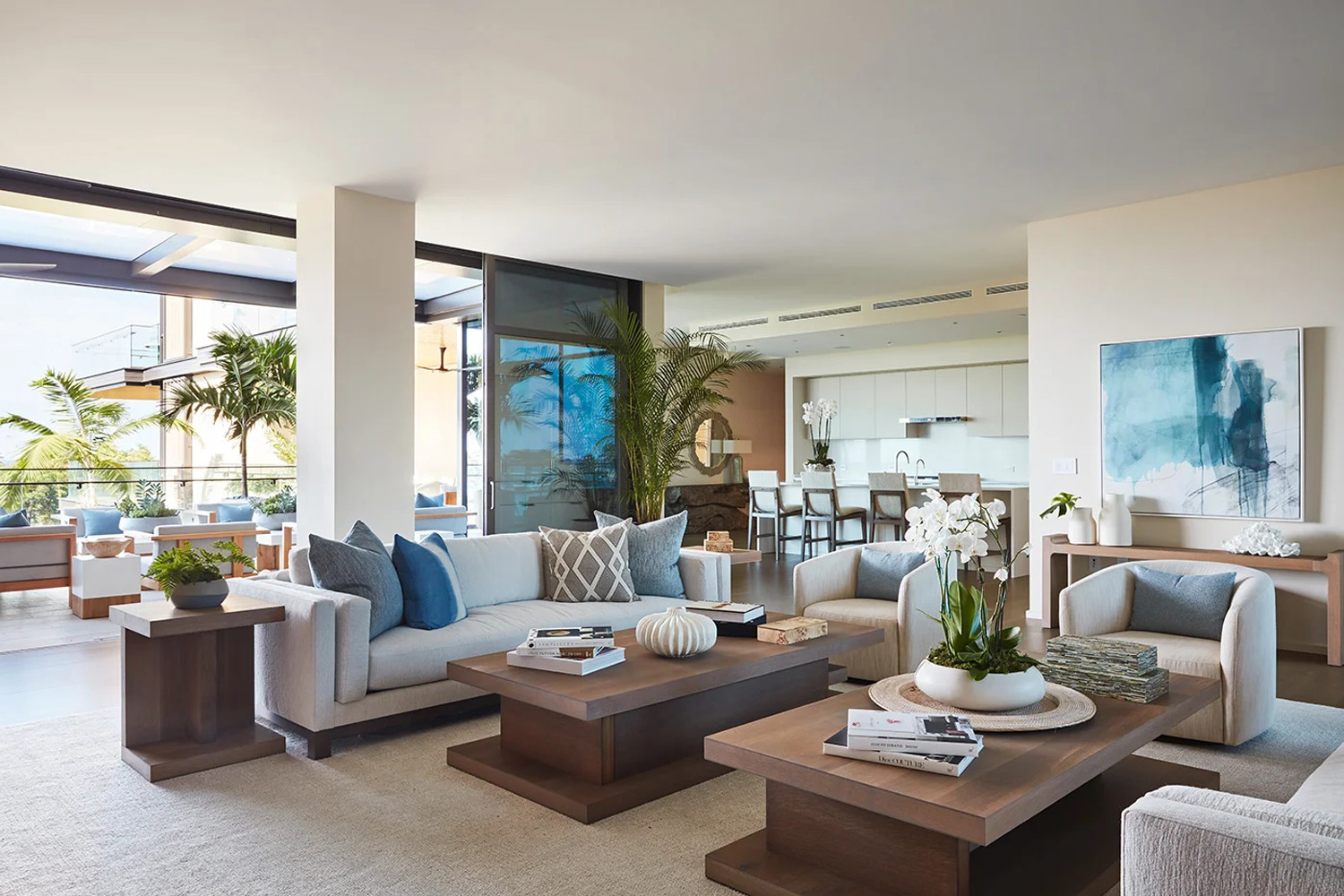
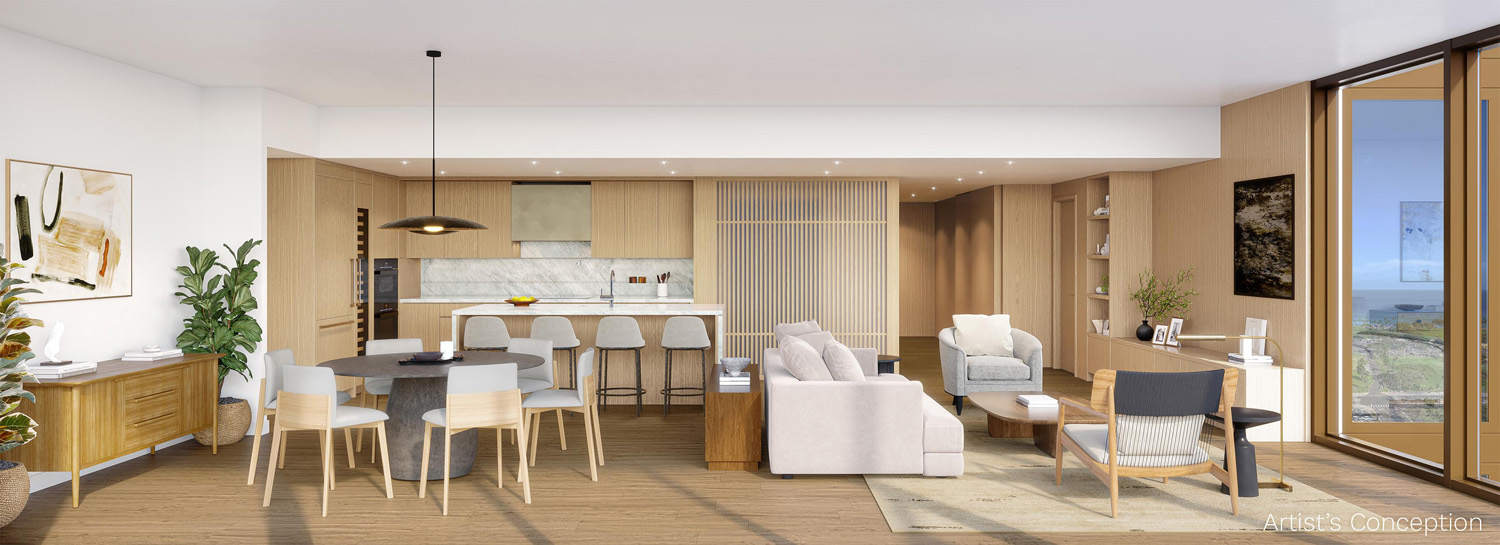
Open concept Honolulu luxury condo interior

The characteristics that can support long-term luxury condo demand

When comparing luxury condos in Honolulu, buyers often look at the same factors: location, views, amenities, finishes, and price. While these features all influence desirability, some condominium residences perform better over time than others.

Appreciation is influenced by a combination of factors including supply, demand, building quality, location, ownership costs, and how well a property continues to meet buyer expectations.

In a market like Honolulu, where land is limited and new development is carefully planned, understanding what contributes to long-term value can help buyers make more informed decisions.

Location and Neighborhood Demand

Location is one of the most significant factors influencing real estate appreciation.

In Honolulu, areas with strong demand, convenient access, and ongoing investment often attract continued buyer interest. Kakaʻako has become one of Honolulu’s most active urban neighborhoods, with residential towers, restaurants, parks, retail, and community spaces contributing to its growth.

A condo’s location within the neighborhood also matters. Factors such as proximity to:

  • Beaches
  • Parks
  • Shopping
  • Dining
  • Healthcare
  • Transportation
  • Employment centers

can influence long-term demand.

Properties in locations that continue to attract residents and visitors often have stronger resale appeal.

Limited Supply and Desirable Inventory

Real estate appreciation is closely connected to supply and demand.

Luxury condos with unique characteristics often have a limited number of comparable residences available. Examples include:

  • High-floor units
  • Protected ocean views
  • Larger floor plans
  • Premier stacks
  • Corner residences
  • Unique layouts

In Honolulu, land availability is limited, especially in highly desirable areas near the ocean. As a result, residences with features that cannot easily be replicated may maintain stronger demand.

Building Quality and Reputation

The quality and reputation of a condominium building can influence long-term value.

Luxury buyers often consider factors such as:

  • Construction quality
  • Architectural design
  • Materials and finishes
  • Maintenance standards
  • Building management
  • Overall reputation

Newer buildings may benefit from modern design, updated systems, and contemporary amenities. Established buildings may have advantages such as a proven history, mature landscaping, and a strong ownership community.

A building’s reputation among buyers can impact how quickly units attract attention when they come to market.

Views and View Protection

Views are one of the most important features in Honolulu’s high-rise market.

Ocean, mountain, park, and protected open-space views can influence buyer demand and resale value.

However, not all views are equal. A view that is unlikely to change due to surrounding development can be more valuable than a view that may be impacted by future construction.

Buyers should consider:

  • Current surroundings
  • Future development plans
  • Building orientation
  • Floor level
  • Long-term visibility

A residence with a protected view can offer a level of scarcity that is difficult to replace.

Amenities That Match Buyer Demand

Luxury condo amenities have evolved as buyer expectations have changed.

Modern buyers often look for amenities that support convenience, wellness, and daily living, including:

  • Fitness centers
  • Pools
  • Outdoor gathering spaces
  • Resident lounges
  • Private dining areas
  • Guest suites
  • Wellness spaces
  • Secure parking

However, amenities alone do not determine appreciation. The quality, maintenance, and usability of these spaces are also important considerations.

A well-designed amenity package that remains relevant over time can contribute to a building’s desirability.

Maintenance Fees and Ownership Costs

Monthly maintenance fees are an important factor when evaluating a condo’s long-term value.

Buyers compare not only the purchase price but also the ongoing cost of ownership.

Factors that influence maintenance fees include:

  • Building amenities
  • Number of staff
  • Insurance costs
  • Reserve funding
  • Maintenance requirements
  • Building size

A building with strong financial management and well-maintained common areas may remain more attractive to future buyers.

Financial Health of the Association

A condominium association’s financial stability can affect buyer confidence and resale value.

Important factors include:

  • Reserve funds
  • Insurance coverage
  • Maintenance history
  • Upcoming projects
  • Special assessments
  • Association management

Buildings that proactively maintain their property and plan for future expenses may be better positioned for long-term stability.

Design, Layout, and Functionality

Luxury buyers often prioritize how a residence feels and functions.

Features that may influence desirability include:

  • Efficient floor plans
  • Natural light
  • Indoor-outdoor living
  • Storage space
  • Quality finishes
  • Privacy

A beautifully designed residence that suits modern lifestyles can appeal to a broader range of future buyers.

Market Demand and Buyer Demographics

Different luxury condos attract different types of buyers.

Some residences appeal to:

  • Local homeowners
  • Relocation buyers
  • Second-home buyers
  • International buyers
  • Investors

Buildings and residences that appeal to a broad pool of buyers may have stronger resale demand.

Honolulu’s luxury condo market has historically attracted buyers from Hawaiʻi, the mainland United States, and international markets. Understanding who is purchasing in a particular building can provide insight into future demand.

New Development and Competition

New condominium projects can influence the surrounding market by introducing additional inventory, updated designs, and new amenities.

However, new development can also highlight the value of established buildings that offer unique advantages such as:

  • Better locations
  • Larger residences
  • Mature communities
  • Protected views
  • Proven ownership history

The relationship between new and existing buildings is an important factor when evaluating long-term appreciation potential.

Making a Long-Term Condo Investment Decision

While no property is guaranteed to appreciate, luxury condos that maintain strong demand often share several characteristics: desirable locations, limited supply, quality construction, strong financial management, and features that continue to appeal to buyers.

In Honolulu, the best-performing residences are often those that combine lifestyle appeal with long-term scarcity.

For buyers considering a luxury condo in Honolulu, understanding these factors can help identify properties with strong potential to retain long-term value.

Your Top Hawaiʻi Luxury Condo Specialist

Lucy Heath

Lucy Heath is a Real Estate Advisor at Compass and the founder of Luxury Condos Hawaiʻi, recognized for her expertise in refined condominium living in Kakaʻako and Ala Moana. She has lived in Ward Village for over six years, witnessing its transformation from the earliest stages of development into one of Honolulu's most sought-after neighborhoods.

Get in Touch

Lucy Heath - Compass Real Estate Advisor Hawaii
Posted in Buyers, Condos, Guides, Kakaako
July 13, 2026

What Makes a Premier Stack in a Luxury High-Rise?

Premier Honolulu luxury condo penthouse view

What buyers should look for beyond the floor plan in a high-rise

When buying a luxury condo in Honolulu, buyers often focus on the building, floor plan, amenities, and views. However, within the same building, two residences with identical layouts can have very different values depending on their location within the tower.

One of the factors that influences a high-rise residence is the stack.

A stack refers to a group of residences that share the same floor plan and vertical position throughout a condominium tower. Each stack typically has a specific orientation, view direction, and relationship to the surrounding buildings.

In luxury high-rise buildings throughout Kakaʻako, Ala Moana, and Honolulu, certain stacks are considered more desirable because of their views, privacy, natural light, and overall living experience.

Understanding what makes a premier stack can help buyers evaluate the differences between available units and make a more informed purchasing decision.

What Is a Condo Stack?

In a high-rise condominium, each floor is divided into individual residences. Units that align vertically from floor to floor are considered part of the same stack.

For example, a building may have:

  • Stack A facing the ocean
  • Stack B facing the mountains
  • Stack C overlooking the city
  • Stack D facing another tower

While units may have the same square footage and interior finishes, their location within the building can create significant differences in value.

A premier stack is typically a residence location that offers advantages such as desirable views, privacy, natural light, and limited future obstruction.

View Orientation

One of the most important factors that influences a stack is the direction it faces.

In Honolulu, common desirable orientations include:

Ocean-Facing Stacks

Ocean-facing residences are often highly sought after because they provide views of the Pacific Ocean, sunsets, and open horizon lines.

In Kakaʻako, many luxury towers are positioned to capture ocean views toward Ala Moana Beach Park and the Pacific Ocean. Higher floors with unobstructed ocean exposure often command strong buyer interest.

Mountain-Facing Stacks

Mountain-facing stacks offer views of the Koʻolau Mountains and Honolulu’s natural landscape.

These residences may provide a different experience, with views of ridgelines, greenery, and changing weather patterns. Depending on the building, mountain-facing units may also have less direct afternoon sun exposure.

Park or Open-Space Views

Residences facing parks, open areas, or protected spaces can also be highly desirable.

In Kakaʻako, views toward areas such as Victoria Ward Park or Ala Moana Beach Park can provide more visual space and reduce concerns about future buildings blocking the view.

View Protection and Future Development

A strong view today does not always guarantee the same view in the future.

One factor that separates premier stacks from others is the likelihood that the view will remain protected over time.

Buyers should consider:

  • Existing buildings nearby
  • Future development plans
  • Zoning regulations
  • Ownership of surrounding land
  • Planned projects in the neighborhood

In a growing urban area like Kakaʻako, understanding future development is an important part of evaluating a residence.

A wide ocean view that is unlikely to change can have a different long-term value compared to a similar view that may be impacted by future construction.

Floor Level

The same stack can offer a different experience depending on the floor.

Higher floors often provide:

  • Expanded views
  • Increased privacy
  • Reduced street-level noise
  • Greater separation from surrounding buildings

However, floor height is only one consideration. A higher floor does not automatically mean a better residence if the orientation, layout, or view quality is less desirable.

The relationship between floor level and surrounding buildings should always be evaluated together.

Privacy

Privacy is another factor that contributes to a premier stack.

Some residences may face directly into neighboring buildings, while others may have greater separation from surrounding structures.

Privacy considerations include:

  • Distance from neighboring towers
  • Angle of adjacent buildings
  • Visibility into the residence
  • Location of nearby amenities

A residence with open views and limited visibility from neighboring units may provide a more private living experience.

Natural Light and Sun Exposure

The orientation of a stack affects how much natural light enters the residence throughout the day.

East-facing residences typically receive morning sunlight, while west-facing residences often experience stronger afternoon and sunset exposure.

South-facing residences may receive consistent sunlight throughout the year, while north-facing residences often receive softer, indirect light.

Window placement, building design, and interior layout also influence how natural light moves through the residence.

Wind and Airflow

Honolulu’s trade winds play an important role in a residence's comfort.

A building’s orientation, elevation, and surrounding structures can influence airflow.

Some stacks may receive stronger natural ventilation, while others may be more sheltered depending on their location within the tower.

Buyers who value fresh air and natural ventilation should consider visiting a residence at different times of day to experience the conditions firsthand.

Proximity to Elevators and Amenities

The location of a stack within the building can also impact convenience.

Some buyers prefer residences located farther from elevators and common areas for increased privacy and reduced foot traffic.

Others may prioritize shorter walking distances to amenities such as fitness centers, pools, and parking areas.

There is no universal preference, but understanding the relationship between the residence and shared spaces is important.

Why Stack Selection Matters in Luxury Condos

In luxury high-rise buildings, small differences between residences can create significant differences in desirability.

A premier stack typically combines several advantages:

  • Desirable orientation
  • Protected views
  • Strong natural light
  • Privacy
  • Favorable floor placement
  • Limited exposure to noise or neighboring buildings

These factors can influence both the daily living experience and future resale appeal.

Evaluating a Luxury Condo Beyond the Floor Plan

When comparing luxury condos in Honolulu, it is important to look beyond the interior finishes and square footage.

The stack, view direction, surrounding environment, and long-term outlook all contribute to the overall value of a residence.

For buyers exploring luxury high-rises in Kakaʻako and Ala Moana, understanding stack selection is an important part of identifying a residence that aligns with both lifestyle preferences and long-term ownership goals.

Your Top Hawaiʻi Luxury Condo Specialist

Lucy Heath

Lucy Heath is a Real Estate Advisor at Compass and the founder of Luxury Condos Hawaiʻi, recognized for her expertise in refined condominium living in Kakaʻako and Ala Moana. She has lived in Ward Village for over six years, witnessing its transformation from the earliest stages of development into one of Honolulu's most sought-after neighborhoods.

Get in Touch

Lucy Heath - Compass Real Estate Advisor Hawaii
Posted in Buyers, Condos, Guides, Kakaako
July 8, 2026

The Best Luxury Condo Amenities in Honolulu (And Which You’ll Actually Use)

Luxury condo pool amenity in Honolulu

How to evaluate the amenities that add real value to condo life

Luxury condominium buildings in Honolulu are known for offering amenities that extend beyond the individual residence. From resort-style pools to fitness centers and private gathering spaces, these shared features are designed to provide convenience, recreation, and additional lifestyle options for residents.

In neighborhoods such as Kakaʻako and Ala Moana, newer luxury high-rise developments have introduced a wide range of amenities designed around wellness, entertaining, and modern urban living.

However, when evaluating a luxury condo, it is important to look beyond the number of amenities a building offers. The quality, maintenance, usability, and cost of these spaces can all influence the overall ownership experience.

Understanding which amenities align with your lifestyle can help you choose a building that fits your needs.

Fitness Centers and Wellness Spaces

Fitness facilities are among the most common amenities in luxury condominium buildings.

Many newer developments include professionally designed fitness centers with features such as:

  • Cardio equipment
  • Weight training areas
  • Yoga or stretching spaces
  • Group fitness areas
  • Outdoor workout spaces

For residents who prioritize wellness and convenience, an on-site fitness center can reduce the need for a separate gym membership and make it easier to incorporate exercise into daily routines.

Some luxury buildings also include wellness-focused spaces such as saunas, spas, meditation areas, or recovery rooms.

When evaluating a fitness facility, buyers should consider:

  • Quality of equipment
  • Available space
  • Hours of operation
  • Maintenance standards
  • Whether the facility meets their personal fitness needs

Pools and Outdoor Spaces

Pools are one of the most recognizable luxury condo amenities in Honolulu.

Many high-end buildings feature resort-style pool areas designed for relaxation and entertaining. These spaces may include:

  • Lap pools
  • Infinity-edge pools
  • Hot tubs
  • Cabanas
  • Lounge areas
  • Outdoor kitchens
  • BBQ areas

In Hawaiʻi’s climate, outdoor amenities can extend the residence, providing additional space for residents to relax and gather with friends and family.

When comparing buildings, buyers should consider the size, location, and design of the pool area, as well as how often residents use the space.

Private Dining and Entertainment Spaces

Many luxury condominium buildings include shared spaces designed for hosting guests.

These may include:

  • Private dining rooms
  • Chef’s kitchens
  • Wine storage areas
  • Entertainment lounges
  • Outdoor gathering spaces

For buyers who enjoy entertaining but do not want to maintain a large residence, these amenities can provide additional flexibility.

The quality of these spaces often depends on the building’s design and how thoughtfully they are integrated into daily resident life.

Guest Suites

Guest suites are becoming increasingly common in luxury condominium developments.

Instead of maintaining extra bedrooms for occasional visitors, residents may have access to professionally managed guest accommodations within the building.

Guest suites can be especially useful for:

  • Visiting family
  • Friends traveling to Hawaiʻi
  • Residents who want additional privacy when hosting guests

Buyers should review availability, reservation policies, and associated fees when considering this type of amenity.

Resident Lounges and Social Spaces

Luxury condos often include shared lounges designed to encourage residents to gather.

These spaces may include:

  • Indoor lounges
  • Outdoor terraces
  • Fire pits
  • Co-working areas
  • Game rooms
  • Media rooms

These areas can provide additional living space beyond the individual residence while creating opportunities for community interaction.

The value of these spaces often depends on how residents actually use them and whether they complement the building’s overall design.

Dog Parks and Pet-Friendly Amenities

As more buyers consider pets when choosing a home, pet-friendly amenities have become increasingly common.

Examples include:

  • Dog parks
  • Pet washing stations
  • Designated outdoor areas

For pet owners, these features can add convenience and make condominium living easier.

However, buyers should also review the building’s pet policies, including restrictions on size, number of pets, and access rules.

Security and Convenience Features

Some of the most valuable amenities are not always the most visible.

Luxury buildings often include features designed to improve convenience and security, such as:

  • Secured entry systems
  • Concierge services
  • Package rooms
  • Valet services
  • On-site management
  • Controlled parking access

These features can contribute to the overall living experience and may be especially important for residents who travel frequently or maintain a second home.

Electric Vehicle Charging

As electric vehicles become more common, EV charging stations have become an increasingly relevant condominium feature.

Buildings may offer:

  • Dedicated charging stations
  • Shared charging areas
  • Future-ready electrical infrastructure

Buyers who currently own an electric vehicle or plan to purchase one should understand how charging access works in the building.

Outdoor and Nature-Focused Amenities

Many Honolulu luxury condos incorporate outdoor spaces that take advantage of Hawaiʻi’s climate.

Examples include:

  • Landscaped gardens
  • Walking paths
  • Outdoor seating areas
  • Rooftop terraces
  • Green spaces

These features can provide residents with opportunities to enjoy the outdoors without leaving the property.

In urban neighborhoods like Kakaʻako, access to thoughtfully designed outdoor spaces can be an important part of the overall residential experience.

Do More Amenities Mean a Better Condo?

A larger list of amenities does not always mean a better building.

When comparing luxury condos, buyers should consider:

  • Which amenities they will realistically use
  • How well the amenities are maintained
  • Whether the amenities justify the monthly maintenance fees
  • How the spaces contribute to the overall building experience

A smaller, well-designed amenity package may provide more value than a long list of features that receive limited use.

Evaluating Amenities Before Buying a Honolulu Luxury Condo

Amenities are an important part of the luxury condo experience, but they should be considered alongside other factors including:

  • Location
  • Building quality
  • Financial health
  • Maintenance fees
  • Floor plan
  • Views
  • Long-term desirability

For buyers exploring luxury condos in Kakaʻako and Ala Moana, understanding how amenities fit into your lifestyle can help identify the right building and residence.

The best amenities are the ones that support how you actually live, making your home more convenient, enjoyable, and functional over time.

Your Top Hawaiʻi Luxury Condo Specialist

Lucy Heath

Lucy Heath is a Real Estate Advisor at Compass and the founder of Luxury Condos Hawaiʻi, recognized for her expertise in refined condominium living in Kakaʻako and Ala Moana. She has lived in Ward Village for over six years, witnessing its transformation from the earliest stages of development into one of Honolulu's most sought-after neighborhoods.

Get in Touch
Lucy Heath - Compass Real Estate Advisor Hawaii
Posted in Buyers, Condos, Guides, Kakaako
July 3, 2026

Oceanfront vs. Ocean View vs. Mountain View Condos in Honolulu: Which Is Right for You?

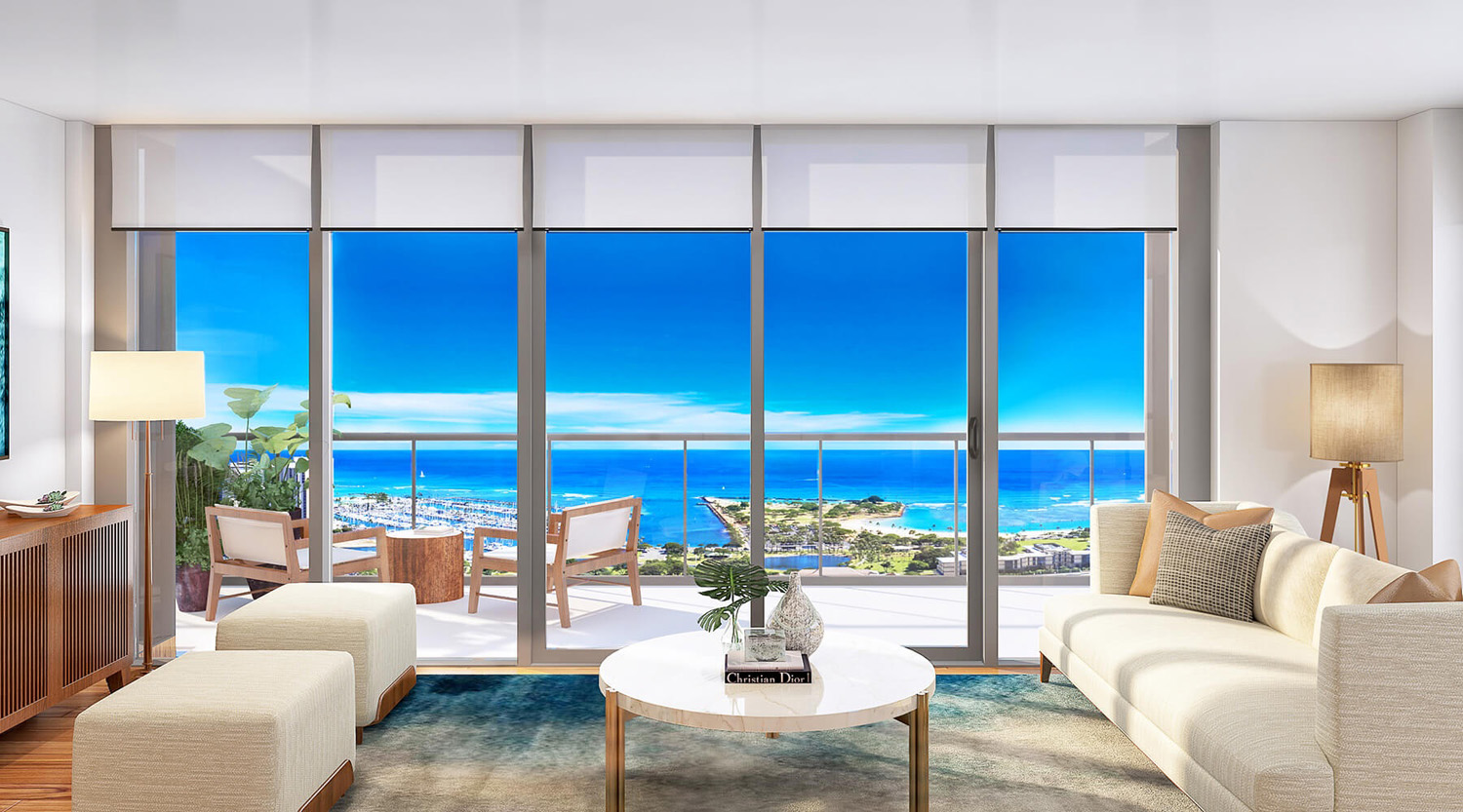
Ocean view from a Honolulu luxury condo

Comparing Honolulu condo views to find the right fit

When buying a condo in Honolulu, the view is often one of the most important factors influencing a buyer’s decision. In a high-rise market like Kakaʻako, Ala Moana, and Waikīkī, the orientation of a residence can impact the natural light, privacy, airflow, and overall experience of living in the home.

While many buyers initially focus on finding an ocean view, Honolulu condos offer a variety of perspectives, each with its own characteristics. Oceanfront, ocean-view, and mountain-view residences can all offer unique benefits depending on your lifestyle, priorities, and how you plan to use the property.

Understanding the differences between these views can help you make a more informed decision when purchasing a condo in Honolulu.

Oceanfront Condos: Direct Connection to the Water

Oceanfront condos offer the closest proximity to the Pacific Ocean, with unobstructed views directly toward the water. These residences are typically located along the coastline in areas such as Waikīkī, Diamond Head, and parts of Honolulu’s shoreline.

The primary appeal of an oceanfront residence is the direct relationship with the ocean. Depending on the building’s location and elevation, owners may enjoy expansive views of the coastline, sunsets, and passing marine activity.

Oceanfront properties are often limited in supply because there is a finite amount of land directly along the shoreline. In Honolulu, this scarcity has historically contributed to strong demand for residences with direct ocean frontage.

However, oceanfront living can also come with considerations. Properties closest to the water may experience increased exposure to salt air, which can contribute to corrosion over time. Building maintenance, window systems, exterior materials, and association reserves are important factors to review when considering any coastal property.

For buyers who prioritize being as close to the ocean as possible, an oceanfront condo provides a unique connection to Honolulu’s coastline.

Ocean View Condos: Expansive Views Without Being Directly on the Water

Ocean view condos are among the most sought-after residences in Honolulu. These homes offer Pacific Ocean views while located farther inland or at higher elevations.

Many luxury high-rise buildings in Kakaʻako and Ala Moana offer ocean-view residences due to their elevation and location between the mountains and the coastline. Higher floors often provide wider views that extend beyond nearby buildings and offer greater visibility toward the ocean.

One advantage of ocean view condos is the combination of scenery and location. Many residences allow owners to enjoy ocean views while remaining within walking distance of restaurants, shopping, parks, and beaches.

The quality of an ocean view can vary significantly depending on several factors:

  • Floor level
  • Building orientation
  • Distance from the shoreline
  • Nearby developments
  • Window placement and interior layout

A partial ocean view from a lower floor and a panoramic ocean view from a higher floor can represent very different living experiences and price points.

When evaluating an ocean-view condo, buyers should consider not only what the view looks like today but also whether future development could affect visibility.

Mountain View Condos: Natural Beauty and Privacy

Mountain view condos offer a different perspective of Honolulu, looking toward the Koʻolau Mountains, Diamond Head, or the surrounding landscape.

The mountain views in Honolulu are known for their dramatic ridgelines, changing weather patterns, and lush greenery. Depending on the location, residents may enjoy views of morning sunlight, passing clouds, and the surrounding natural landscape.

Mountain-facing residences are often preferred by buyers who value privacy, cooler temperatures, and a quieter atmosphere. Many mountain-facing units also benefit from afternoon shade, which can help reduce heat exposure compared to some west-facing ocean views.

In neighborhoods like Kakaʻako, mountain view residences can provide a unique contrast to the urban environment, with views extending toward the mountains rather than surrounding buildings.

How View Direction Affects Daily Living

The direction a condo faces can influence more than just the scenery. It can affect:

Natural Light

East-facing residences typically receive morning sunlight, while west-facing homes often experience stronger afternoon and sunset light. North and mountain-facing residences may receive softer, indirect light depending on the building orientation.

Temperature

Honolulu’s year-round warm climate means sun exposure is an important consideration. Residences with significant afternoon exposure may experience higher interior temperatures, while shaded orientations may remain cooler.

Wind and Airflow

Trade winds are an important part of Honolulu’s climate. The amount of natural airflow a residence receives can depend on building design, elevation, and orientation.

Privacy

A view toward the ocean, mountains, or open space may provide more privacy than a residence facing another building. In dense urban neighborhoods like Kakaʻako, understanding surrounding properties and future development plans is especially important.

Which View Holds the Most Value?

There is no single answer when comparing oceanfront, ocean-view, and mountain-view condos. Value is influenced by a combination of factors including location, building quality, floor level, view protection, finishes, amenities, and market demand.

In Honolulu’s luxury condo market, residences with protected views, meaning views unlikely to be impacted by future development, are often highly sought after. A spectacular view today may be worth less if nearby land can be developed in the future.

Buyers should also consider how much time they plan to spend in the residence and how the view fits their lifestyle. Some owners prioritize watching sunsets over the ocean, while others prefer the privacy and greenery of a mountain outlook.

Understanding Views Before Buying a Honolulu Condo

A condo’s view is more than a feature on a listing sheet. It is part of the daily experience of living in the home.

Before purchasing, buyers should evaluate the direction, elevation, surrounding properties, future development plans, and how the residence feels at different times of day.

Whether it is the Pacific Ocean, the Koʻolau Mountains, or the city skyline, Honolulu offers a variety of perspectives that make each condo residence unique.

For buyers exploring luxury condos in Kakaʻako, Ala Moana, and Honolulu, understanding the relationship between location, views, and long-term value is an important part of making an informed purchase decision.

Your Top Hawaiʻi Luxury Condo Specialist

Lucy Heath

Lucy Heath is a Real Estate Advisor at Compass and the founder of Luxury Condos Hawaiʻi, recognized for her expertise in refined condominium living in Kakaʻako and Ala Moana. She has lived in Ward Village for over six years, witnessing its transformation from the earliest stages of development into one of Honolulu's most sought-after neighborhoods.

Get in Touch
Lucy Heath - Compass Real Estate Advisor Hawaii
Posted in Buyers, Condos, Guides, Kakaako
June 28, 2026

Hidden Costs of Buying a Luxury Condo in Hawaii

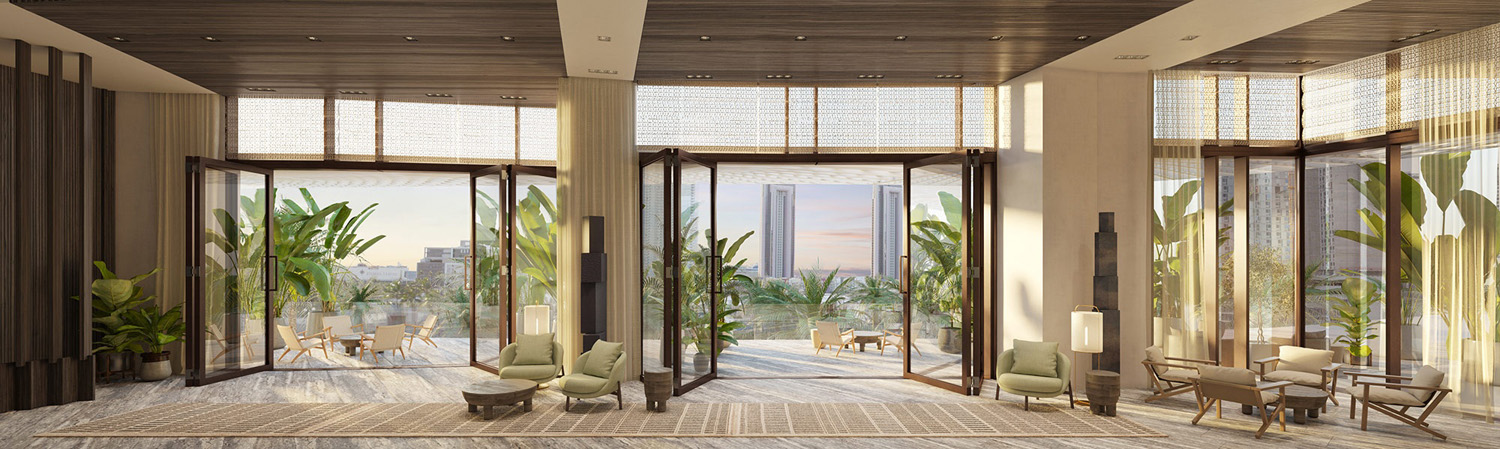
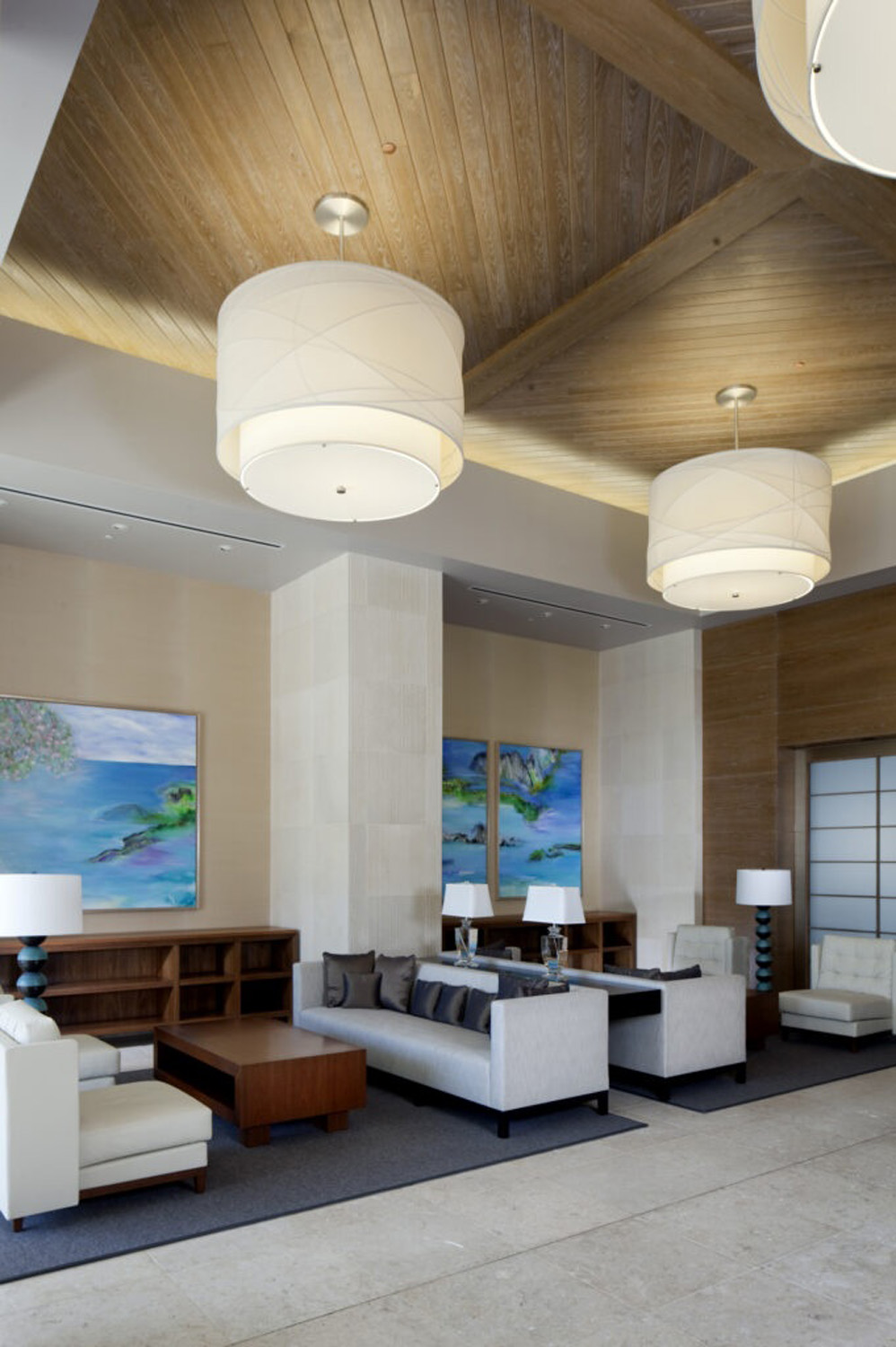
Luxury condo lobby in Kakaako

The ownership expenses to evaluate beyond the purchase price

Meta Title: Hidden Costs of Buying a Luxury Condo in Hawaii | Honolulu Condo Guide

Meta Description: Learn the often-overlooked costs of buying a luxury condo in Hawaii, from closing costs and HOA fees to property taxes, insurance, and moving expenses.

URL Slug: /hidden-costs-buying-luxury-condo-hawaii/

Hidden Costs of Buying a Luxury Condo in Hawaii

When buyers begin searching for a luxury condo in Honolulu, most focus on the purchase price. Whether you're considering a residence in Ward Village, Ala Moana, Kakaʻako, or Waikīkī, the listing price is often just one piece of the financial picture.

Understanding the full cost of ownership is essential before making a purchase. Beyond your down payment and mortgage, there are several expenses that can significantly impact your monthly and annual housing costs.

While many of these expenses are not unique to Hawaii, luxury condominium ownership comes with its own set of considerations that buyers should understand before entering escrow.

Here's what to budget for when purchasing a luxury condo in Hawaii.

Closing Costs

Closing costs are one of the first expenses buyers encounter beyond the purchase price.

While the exact amount varies depending on financing, purchase price, and lender requirements, buyers typically pay for:

  • Escrow fees
  • Title insurance
  • Title search fees
  • Recording fees
  • Lender fees
  • Appraisal fees
  • Credit report fees
  • Prepaid property taxes
  • Prepaid homeowner's insurance
  • Interest adjustments

For luxury condos, these costs can easily total tens of thousands of dollars depending on the purchase price and financing structure.

Cash buyers generally pay fewer fees than financed buyers, though escrow and title-related expenses still apply.

Homeowners Association Fees

Monthly maintenance fees, often referred to as HOA fees, are among the largest ongoing expenses associated with condominium ownership.

In Honolulu's luxury buildings, monthly fees can range from several hundred dollars to several thousand dollars per month.

These fees help cover the operation and maintenance of common areas throughout the building.

Depending on the property, HOA fees may include:

  • Building insurance
  • Water and sewer
  • Common area electricity
  • Security personnel
  • Concierge services
  • Landscaping
  • Pool maintenance
  • Fitness center upkeep
  • Reserve fund contributions
  • Building management

Many buyers initially focus on comparing HOA fees between buildings. However, a lower fee does not necessarily mean lower ownership costs.

A building with strong reserve funding and proactive maintenance may ultimately require fewer special assessments than a building with artificially low monthly fees.

Reserve Funds and Future Capital Projects

Every condominium association maintains reserve funds for future repairs and replacements.

Reserve funds are used for major projects such as:

  • Elevator modernization
  • Exterior painting
  • Pool renovations
  • Roof repairs
  • Mechanical system upgrades
  • Common area improvements

When reserve funds are insufficient, owners may be required to contribute additional money through special assessments.

Before purchasing a luxury condo, buyers should review the association's financial statements, reserve study, and meeting minutes whenever available.

Understanding the building's financial health can provide valuable insight into potential future expenses.

Property Taxes

Property taxes in Hawaii are generally lower than many mainland markets, but they remain an important ownership expense.

Property tax rates vary depending on:

  • Property classification
  • Assessed value
  • County
  • Owner occupancy status

For Oʻahu condominiums, owner-occupant rates are typically lower than rates for investment or non-owner-occupied properties.

Luxury properties with higher assessed values may also be subject to additional tax considerations depending on current county regulations.

Because tax classifications can significantly impact annual costs, buyers should verify the property's current tax status before closing.

Homeowners Insurance

While condominium associations carry master insurance policies covering common elements, individual owners still need their own insurance coverage.

A typical condominium owner's policy may cover:

  • Interior improvements
  • Personal property
  • Liability protection
  • Loss assessments
  • Additional living expenses

Premiums vary depending on the building, location, coverage limits, and insurer.

Many lenders require proof of coverage before funding a loan.

Insurance costs have become an increasingly important consideration throughout Hawaii due to rising construction costs and broader challenges in the insurance market.

Mortgage Costs Beyond Principal and Interest

For financed purchases, monthly mortgage payments involve more than principal and interest alone.

Additional costs may include:

  • Mortgage insurance
  • Property taxes
  • Insurance premiums
  • Interest rate adjustments for adjustable-rate loans

Luxury buyers should also understand jumbo loan requirements, which often differ from those of conventional financing.

Loan terms, reserve requirements, and interest rates can vary significantly based on the loan amount and borrower profile.

Utility Expenses

Utility costs vary considerably between buildings.

Some luxury condominium associations include certain utilities within monthly maintenance fees, while others bill owners separately.

Potential utility expenses include:

  • Electricity
  • Internet
  • Cable
  • Gas service
  • Water and sewer
  • Air conditioning consumption

This distinction becomes particularly important in buildings with central air conditioning systems or extensive common-area services.

Buyers should review exactly which utilities are included in maintenance fees when comparing properties.

Move-In and Move-Out Fees

Many luxury condominium buildings charge move-in and move-out fees.

These fees help offset staffing, elevator reservations, and potential wear and tear during moving activities.

Costs vary by building but can range from a few hundred dollars to over one thousand dollars.

Some associations also require refundable deposits during the moving process.

While these fees represent a small percentage of the overall transaction, they are often overlooked during budgeting.

Furnishing and Interior Upgrades

Luxury condominium buyers frequently underestimate the cost of furnishing a new residence.

This is particularly common among buyers relocating from larger single-family homes or moving from the mainland.

Potential expenses include:

  • Furniture
  • Window coverings
  • Lighting upgrades
  • Custom closets
  • Interior design services
  • Artwork
  • Smart home technology

Even newly constructed luxury residences may require additional customization after closing.

These costs can add up quickly depending on the buyer's lifestyle and design preferences.

Parking and Storage Considerations

Not all parking stalls and storage units are created equal.

Depending on the building, buyers may encounter additional costs associated with:

  • Purchasing extra parking stalls
  • Leasing additional parking
  • Purchasing storage lockers
  • Electric vehicle charging installations

These features can enhance convenience and resale value but may add to overall ownership costs.

For buyers downsizing from larger homes, storage often becomes an especially important consideration.

Special Assessments

A special assessment occurs when a condominium association charges owners additional funds for projects not fully covered by reserves.

Special assessments may arise from:

  • Major repairs
  • Unexpected building issues
  • Insurance-related expenses
  • Infrastructure upgrades
  • Deferred maintenance

Not every building experiences special assessments, but buyers should investigate the association's history before purchasing.

Reviewing association documents can provide insight into both past assessments and anticipated future projects.

Renovation Costs and Approval Requirements

Some buyers purchase luxury condos with plans to renovate after closing.

Condominium renovations often involve additional requirements beyond those associated with single-family homes.

Potential expenses include:

  • Architectural plans
  • Contractor fees
  • Building permits
  • HOA review fees
  • Construction deposits

Most associations also maintain renovation rules governing construction hours, contractor access, and project scope.

Understanding these requirements beforehand can help avoid unexpected delays and expenses.

Understanding the True Cost of Ownership

The purchase price is only one component of owning a luxury condo in Hawaii.

Monthly maintenance fees, property taxes, insurance, utilities, reserve funding, and future capital expenses all contribute to the overall cost of ownership.

For buyers considering properties in Kakaʻako, Ala Moana, or elsewhere in Honolulu, evaluating these costs before making an offer can help create a clearer picture of long-term affordability.

A well-informed buyer is often better positioned to compare buildings, evaluate opportunities, and choose a property that aligns with both their lifestyle and financial goals.

Frequently Asked Questions

How much are HOA fees in Honolulu luxury condos?

HOA fees vary widely by building, unit size, amenities, and services provided. Luxury condominium maintenance fees often range from several hundred dollars to several thousand dollars per month.

Are property taxes high in Hawaii?

Compared to many mainland states, Hawaii generally has relatively low property tax rates. However, actual tax obligations vary based on assessed value and property classification.

Do condo owners need separate insurance?

Yes. While condominium associations maintain master insurance policies, owners typically need their own HO6 insurance to cover personal property, interior improvements, liability protection, and other exposures.

What is a special assessment?

A special assessment is an additional charge imposed by a condominium association to fund repairs, upgrades, or expenses not fully covered by reserve funds.

What costs do buyers often overlook?

Commonly overlooked expenses include HOA fees, insurance, move-in fees, utility costs, furnishing expenses, storage costs, and future capital improvement assessments.

Your Top Hawaiʻi Luxury Condo Specialist

Lucy Heath

Lucy Heath is a Real Estate Advisor at Compass and the founder of Luxury Condos Hawaiʻi, recognized for her expertise in refined condominium living in Kakaʻako and Ala Moana. She has lived in Ward Village for over six years, witnessing its transformation from the earliest stages of development into one of Honolulu's most sought-after neighborhoods.

Get in Touch
Lucy Heath - Compass Real Estate Advisor Hawaii
Posted in Buyers, Condos, Guides, Kakaako
June 23, 2026

Hawaii Property Taxes on Luxury Condos: What Buyers Need to Know

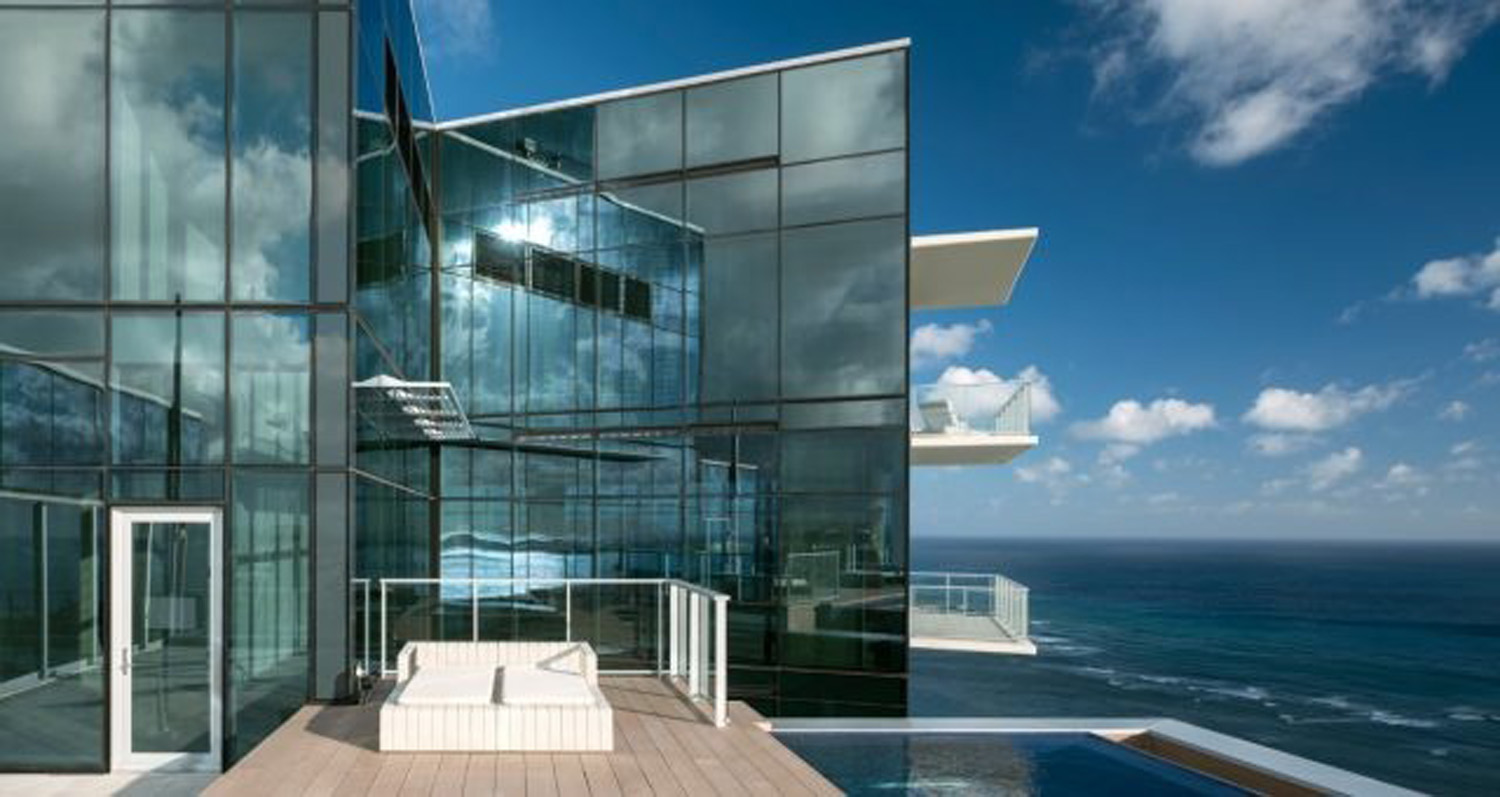
Modern Honolulu luxury condo exterior

Understanding property-tax considerations for Honolulu luxury condos

When purchasing a luxury condo in Honolulu, buyers often focus on the purchase price, maintenance fees, financing, and building amenities. Another important cost to understand is property tax.

Hawaiʻi has one of the lowest effective property tax rates in the United States, but property taxes can vary significantly depending on the property's classification, assessed value, and use.

For luxury condo buyers in Honolulu, understanding how property taxes are calculated and what factors influence the annual cost can help create a more accurate picture of ownership expenses.

How Property Taxes Work in Hawaiʻi

Property taxes in Hawaiʻi are managed at the county level. On Oʻahu, property taxes are administered by the City and County of Honolulu.

Each property is assigned an assessed value by the Real Property Assessment Division. This assessed value is used to calculate the annual property tax amount based on the applicable tax rate for the property classification.

The basic calculation is:

  • Assessed Value × Tax Rate = Annual Property Tax

Tax rates are established annually and vary by property classification.

Property Tax Classifications in Honolulu

The City and County of Honolulu has different property tax classifications based on how a property is used.

Common classifications include:

  • Residential
  • Residential A
  • Commercial
  • Hotel and Resort
  • Time Share
  • Vacation Rental
  • Owner-occupied properties

Luxury condos in areas such as Kakaʻako and Ala Moana may fall into different classifications depending on factors such as ownership status, intended use, and whether the property qualifies as an owner-occupied residence.

Understanding the classification is important because different categories have different tax rates.

Owner-Occupied vs. Non-Owner-Occupied Condos

One factor that can significantly affect property taxes is whether the condo qualifies as owner-occupied.

Owner-occupied properties may qualify for certain exemptions or benefits if the owner meets the requirements established by the City and County of Honolulu.

A property owner generally must use the residence as their principal home and meet filing requirements to qualify.

Second homes, investment properties, and properties that are not owner-occupied may be taxed differently.

Buyers should confirm the current classification of a property and understand how their intended use may affect future taxes.

How Luxury Condo Values Are Assessed

Property taxes are based on assessed value, not necessarily the purchase price.

The Real Property Assessment Division evaluates properties based on factors such as:

  • Recent sales activity
  • Market conditions
  • Property characteristics
  • Location
  • Improvements
  • Comparable properties

Within a luxury condo building, individual residences can have different assessed values based on factors such as:

  • Square footage
  • Floor level
  • View quality
  • Renovations
  • Parking
  • Overall desirability

A higher-floor residence with a protected ocean view may have a different assessed value than a similar unit with a different orientation or view.

Property Taxes on High-End Honolulu Condos

Luxury condos in neighborhoods such as Kakaʻako and Ala Moana can have significant assessed values due to their location, amenities, and market demand.

Buyers should factor property taxes into their overall ownership costs alongside:

  • Mortgage payments
  • Maintenance fees
  • Insurance
  • Utilities
  • Repairs and maintenance

For high-value residences, even a relatively low tax rate can result in a meaningful annual expense.

Property Tax Exemptions and Considerations

Hawaiʻi offers various property tax exemptions and programs, subject to eligibility.

Examples may include exemptions related to:

  • Owner occupancy
  • Age qualifications
  • Disability status
  • Other qualifying circumstances

Requirements and benefits can change over time, so buyers should review current information with the City and County of Honolulu before relying on a specific exemption.

It is also important to speak with a qualified tax professional to understand how property ownership, residency status, rental income, and other personal circumstances may impact your individual tax situation.

How Property Taxes Affect Condo Buyers

Property taxes are an important part of evaluating the total cost of owning a luxury condo.

Two residences with similar purchase prices may have different ownership costs depending on:

  • Tax classification
  • Assessed value
  • Exemptions
  • Intended use

Buyers considering a primary residence, second home, or investment property should understand how their plans may influence their annual expenses.

Reviewing Property Taxes Before Purchasing

Before purchasing a luxury condo in Honolulu, buyers should review:

  • Current assessed value
  • Current property tax classification
  • Annual property tax amount
  • Any applicable exemptions
  • Potential changes after purchase

It is also important to understand that assessed values may change over time based on market conditions and county assessments.

Understanding the Full Cost of Luxury Condo Ownership

The purchase price is only one part of owning a luxury condo in Hawaiʻi.

Property taxes, maintenance fees, insurance, and long-term building costs all contribute to the overall financial picture.

For buyers exploring luxury condos in Kakaʻako and Ala Moana, understanding property taxes before purchasing can help set clearer expectations for ownership costs and support a more informed buying decision.

Whether purchasing a primary residence, second home, or investment property, having a complete understanding of expenses is an important part of evaluating a luxury condo in Hawaiʻi.

Disclaimer: This article is provided for general informational purposes only and should not be considered tax, legal, or financial advice. Property tax rates, classifications, exemptions, and regulations may change over time. Buyers should consult with a qualified tax professional, financial advisor, or the City and County of Honolulu Real Property Assessment Division for guidance specific to their individual circumstances.

Your Top Hawaiʻi Luxury Condo Specialist

Lucy Heath

Lucy Heath is a Real Estate Advisor at Compass and the founder of Luxury Condos Hawaiʻi, recognized for her expertise in refined condominium living in Kakaʻako and Ala Moana. She has lived in Ward Village for over six years, witnessing its transformation from the earliest stages of development into one of Honolulu's most sought-after neighborhoods.

Get in Touch
Lucy Heath - Compass Real Estate Advisor Hawaii
Posted in Buyers, Condos, Guides, Kakaako
June 18, 2026

Downsizing to a Luxury Condo in Honolulu: What Buyers Should Know

Honolulu luxury condo living and dining interior

Planning a more streamlined luxury condo lifestyle in Honolulu

For many homeowners, downsizing represents a new chapter. Whether transitioning from a larger single-family home, relocating to Hawaiʻi, simplifying daily life, or looking for a more convenient lifestyle, moving into a luxury condo in Honolulu can offer a different way of living.

Downsizing is not only about moving into a smaller space. It is about evaluating how you want to use your home, what features matter most, and how your residence supports your lifestyle.

In neighborhoods such as Kakaʻako and Ala Moana, luxury condominiums offer modern residences, resort-style amenities, and a walkable urban environment without the same level of home maintenance as a larger property.

Understanding the practical considerations before making the move can help buyers choose the right condo for their needs.

Why Buyers Consider Downsizing to a Condo

Many homeowners choose to downsize for a variety of reasons, including:

  • Reducing home maintenance responsibilities
  • Simplifying daily routines
  • Moving closer to restaurants, shopping, and activities
  • Traveling more frequently
  • Accessing building amenities and services
  • Transitioning from a larger home after children move out

A condominium lifestyle can provide convenience while still offering features often associated with luxury living, such as spacious layouts, outdoor lanais, upgraded finishes, and shared amenities.

Choosing the Right Amount of Space

One of the biggest considerations when downsizing is determining how much space is actually needed.

Luxury condos in Honolulu offer a range of layouts, including:

  • Studios
  • One-bedroom residences
  • Two-bedroom condos
  • Three-bedroom residences
  • Penthouses and larger residences

The ideal size depends on how the home will be used.

Buyers should consider:

Do you frequently host family or guests?

Do you need a dedicated office space?

Do you spend most of your time indoors or using community amenities?

Are there hobbies or belongings that require additional storage?

A smaller residence does not necessarily mean sacrificing comfort. Many luxury condos are designed with efficient layouts, high-quality finishes, and indoor-outdoor living spaces.

Storage Considerations When Downsizing

One of the biggest adjustments when moving from a larger home to a condo is managing belongings.

Before purchasing, buyers should evaluate:

  • Closet space
  • Kitchen storage
  • Available cabinetry
  • Storage lockers
  • Parking storage
  • Bicycle or recreational equipment storage

Some luxury condominium buildings offer additional storage options, while others rely primarily on the space within the residence.

Understanding storage availability before purchasing can help buyers choose a home that fits their lifestyle.

Evaluating Condo Amenities

One benefit of luxury condo living is access to shared amenities that may replace some features of a larger home.

Amenities in Honolulu luxury buildings may include:

  • Fitness centers
  • Pools
  • BBQ areas
  • Outdoor lounges
  • Private dining spaces
  • Guest suites
  • Movie rooms
  • Resident lounges
  • Dog parks

For some buyers, these shared spaces offer opportunities to entertain, exercise, and relax without having to maintain those features privately.

When comparing buildings, buyers should consider which amenities they are likely to use regularly and how those features contribute to the overall cost of ownership.

Understanding Maintenance and Convenience

One of the reasons buyers choose condominium living is the reduction in personal maintenance responsibilities.

In a single-family home, owners are typically responsible for:

  • Landscaping
  • Exterior maintenance
  • Roof repairs
  • Pool maintenance
  • Common area upkeep

In a condominium, many shared maintenance responsibilities are managed through the homeowners association.

However, condo ownership still requires understanding monthly maintenance fees, association management, reserve funds, and building expenses.

A well-managed building can provide convenience while helping maintain the property’s long-term condition.

Location and Walkability

For many downsizing buyers, location becomes increasingly important.

Living in Kakaʻako or Ala Moana provides access to:

  • Restaurants
  • Grocery stores
  • Shopping
  • Parks
  • Medical facilities
  • Beaches
  • Cultural activities

A walkable neighborhood can reduce reliance on driving and make daily errands more convenient.

When evaluating a condo, buyers should consider how the location supports their preferred lifestyle both today and in the future.

Planning for Guests and Visitors

Many downsizing buyers still want the ability to host family and friends.

Before purchasing, consider:

  • Number of bedrooms
  • Guest suite availability
  • Flexible living spaces
  • Building guest accommodations
  • Parking availability

Some luxury buildings offer guest suites that allow residents to accommodate visitors without maintaining additional bedrooms within their own residence.

Reviewing the Financial Considerations

Downsizing can change the financial structure of homeownership.

Buyers should evaluate:

  • Purchase price
  • Property taxes
  • Maintenance fees
  • Insurance costs
  • Financing options
  • Potential future expenses

A lower-maintenance lifestyle does not always mean lower monthly costs, especially in luxury buildings with extensive amenities and services.

Understanding the full cost of ownership is an important part of choosing the right property.

Choosing a Condo That Fits Your Future Lifestyle

A successful downsizing move involves looking beyond the current moment and considering how your needs may evolve.

Important factors may include:

  • Accessibility
  • Elevator access
  • Building services
  • Location convenience
  • Floor plan functionality
  • Long-term comfort

A residence that works well today and continues to support your lifestyle in the future can provide greater value over time.

Making the Transition to Luxury Condo Living

Downsizing to a luxury condo in Honolulu is about creating a home that aligns with your priorities.

For many buyers, the appeal comes from combining a convenient location, quality residence, and access to amenities while reducing the responsibilities associated with a larger property.

Whether moving from a single-family home, relocating to Hawaiʻi, or simply looking for a more streamlined lifestyle, understanding the details of condo ownership can help make the transition smoother.

For buyers exploring luxury condos in Kakaʻako and Ala Moana, finding the right balance among space, convenience, and lifestyle is key to choosing a residence that feels like home.

Your Top Hawaiʻi Luxury Condo Specialist

Lucy Heath

Lucy Heath is a Real Estate Advisor at Compass and the founder of Luxury Condos Hawaiʻi, recognized for her expertise in refined condominium living in Kakaʻako and Ala Moana. She has lived in Ward Village for over six years, witnessing its transformation from the earliest stages of development into one of Honolulu's most sought-after neighborhoods.

Get in Touch
Lucy Heath - Compass Real Estate Advisor Hawaii
June 13, 2026

12 Questions to Ask Before Buying a Condo in Kakaako

Luxury condo lobby in Honolulu

A practical due-diligence guide for Kakaʻako condo buyers

Buying a condo in Kakaʻako is a significant decision. With dozens of residential buildings, different development styles, and a wide range of ownership considerations, it is important to look beyond the floor plan and asking price.

A condo is not only a home, but also an investment in a building, a community, and a long-term lifestyle. Understanding the details behind a property can help buyers make a more informed decision before submitting an offer.

Whether you are purchasing your first Honolulu condo, relocating to Hawaiʻi, or looking for a second home, these are important questions to consider before buying in Kakaʻako.

1. Is the Condo Fee Simple or Leasehold?

One of the first questions buyers should ask is whether the property is fee simple or leasehold.

Fee simple ownership means the buyer owns both the residence and the underlying land. Leasehold ownership means the buyer owns the structure but leases the land from a landowner for a specific period.

Most newer luxury developments in Kakaʻako are fee simple properties. However, Honolulu still has a number of leasehold buildings, particularly in older condominium developments.

Understanding the ownership structure is important because it can affect financing options, resale value, and long-term ownership costs.

2. What Are the Monthly Maintenance Fees?

Monthly maintenance fees are an important part of condo ownership in Hawaiʻi. These fees typically cover building expenses such as:

  • Common area maintenance
  • Building insurance
  • Water and sewer
  • Landscaping
  • Security
  • Amenities
  • Reserve contributions

Luxury buildings with extensive amenities, larger staff, and more shared spaces typically have higher monthly fees.

Buyers should review what is included in the maintenance fee and understand how it compares with similar buildings in the area.

3. How Much Does the Building Have in Reserves?

A condominium association’s reserves are funds set aside for future repairs and major projects.

Buildings regularly need maintenance and upgrades, including:

  • Elevators
  • Exterior painting
  • Plumbing systems
  • Mechanical equipment
  • Pool systems
  • Roofing
  • Common area improvements

A building with healthy reserves may be better prepared for future expenses, while buildings with insufficient reserves may require special assessments from owners.

Reviewing the association’s financial documents can provide insight into the building’s financial health.

4. Are There Any Pending Assessments?

Special assessments occur when a condominium association needs additional funds for unexpected repairs, improvements, or projects.

Before purchasing, buyers should ask whether there are any current or upcoming assessments that could impact ownership costs.

It is also important to understand the reason behind an assessment. Some assessments address necessary repairs, while others may fund planned upgrades or improvements to the building.

5. Are There Any Building Litigation Issues?

Buyers should understand whether a condominium association is involved in any legal disputes.

Litigation can affect financing, insurance availability, resale considerations, and buyer confidence. Lenders may also have requirements related to active litigation when approving condo loans.

Reviewing association documents and disclosures can help buyers understand whether any legal matters exist.

6. How Much Insurance Coverage Does the Building Have?

Insurance has become an increasingly important consideration for condominium buyers in Hawaiʻi.

Condominium associations are responsible for insuring the building’s common elements, while individual owners typically maintain coverage for their own unit and personal belongings.

Buyers should understand:

  • The building’s insurance coverage
  • Deductible amounts
  • Whether coverage meets lender requirements
  • How insurance costs are impacting maintenance fees

Insurance costs have become a larger factor in condo ownership throughout Hawaiʻi due to rising premiums and changing market conditions.

7. What Is the Building’s Pet Policy?

For buyers with pets, understanding the building’s rules before purchasing is essential.

Condominium associations establish their own pet policies, which may include:

  • Allowed types of pets
  • Weight restrictions
  • Number of pets permitted
  • Registration requirements

Policies vary significantly between buildings, so buyers should confirm the rules before making an offer.

8. What Amenities Does the Building Offer?

Kakaʻako is known for its modern luxury condominium buildings with amenities designed around convenience and lifestyle.

Amenities may include:

  • Fitness centers
  • Pools
  • Private dining rooms
  • Guest suites
  • BBQ areas
  • Movie rooms
  • Outdoor lounges
  • Dog parks
  • Co-working spaces

However, amenities also contribute to maintenance costs. Buyers should consider which features are important to their lifestyle and how often they are likely to use them.

9. How Is the Unit Positioned Within the Building?

The location of a residence within a building can significantly impact the living experience.

Important factors include:

  • Floor level
  • View direction
  • Stack location
  • Distance from elevators
  • Proximity to amenities
  • Exposure to traffic or neighboring buildings

Two units with the same floor plan can have very different values depending on their position within the tower.

10. Is the View Protected?

Views are one of the most important features in Honolulu real estate, particularly in high-rise buildings.

Buyers should consider whether the current view is likely to remain unchanged.

Questions to ask include:

Is the neighboring land already developed?

Could future construction impact the view?

Is the view protected by zoning or existing structures?

A protected ocean, mountain, or park view can be an important factor in long-term desirability.

11. What Are the Rules for Renting the Condo?

If you are purchasing a condo as an investment or want flexibility in the future, understanding rental restrictions is important.

Each building has its own rules regarding:

  • Long-term rentals
  • Short-term rentals
  • Minimum rental periods
  • Owner occupancy requirements

Kakaʻako includes a variety of buildings with different rental policies, so buyers should confirm the rules before purchasing.

12. How Does This Condo Compare to Other Buildings in Kakaʻako?

Kakaʻako offers a wide range of condominium options, from newer luxury towers to established residential buildings.

When comparing properties, buyers should evaluate:

  • Building reputation
  • Location
  • Construction quality
  • Amenities
  • Financial health
  • Resale history
  • Future development nearby

A condo purchase is about more than selecting a unit. It is also about selecting the building and community that best aligns with your goals.

Making an Informed Condo Purchase in Kakaʻako

Buying a condo in Kakaʻako requires understanding both the residence and the building behind it.

The most successful purchases come from reviewing the details, asking the right questions, and understanding how each factor may impact ownership over time.

From maintenance fees and reserves to views and future development, every detail plays a role in determining whether a condo is the right fit.

For buyers exploring Kakaʻako and Honolulu luxury condos, taking the time to evaluate these factors can help create a clearer path toward making a confident purchase decision.

Your Top Hawaiʻi Luxury Condo Specialist

Lucy Heath

Lucy Heath is a Real Estate Advisor at Compass and the founder of Luxury Condos Hawaiʻi, recognized for her expertise in refined condominium living in Kakaʻako and Ala Moana. She has lived in Ward Village for over six years, witnessing its transformation from the earliest stages of development into one of Honolulu's most sought-after neighborhoods.

Get in Touch
Lucy Heath - Compass Real Estate Advisor Hawaii
Posted in Buyers, Condos, Guides, Kakaako
June 8, 2026

Why Buyers Are Watching Kaka'ako More Closely Right Now

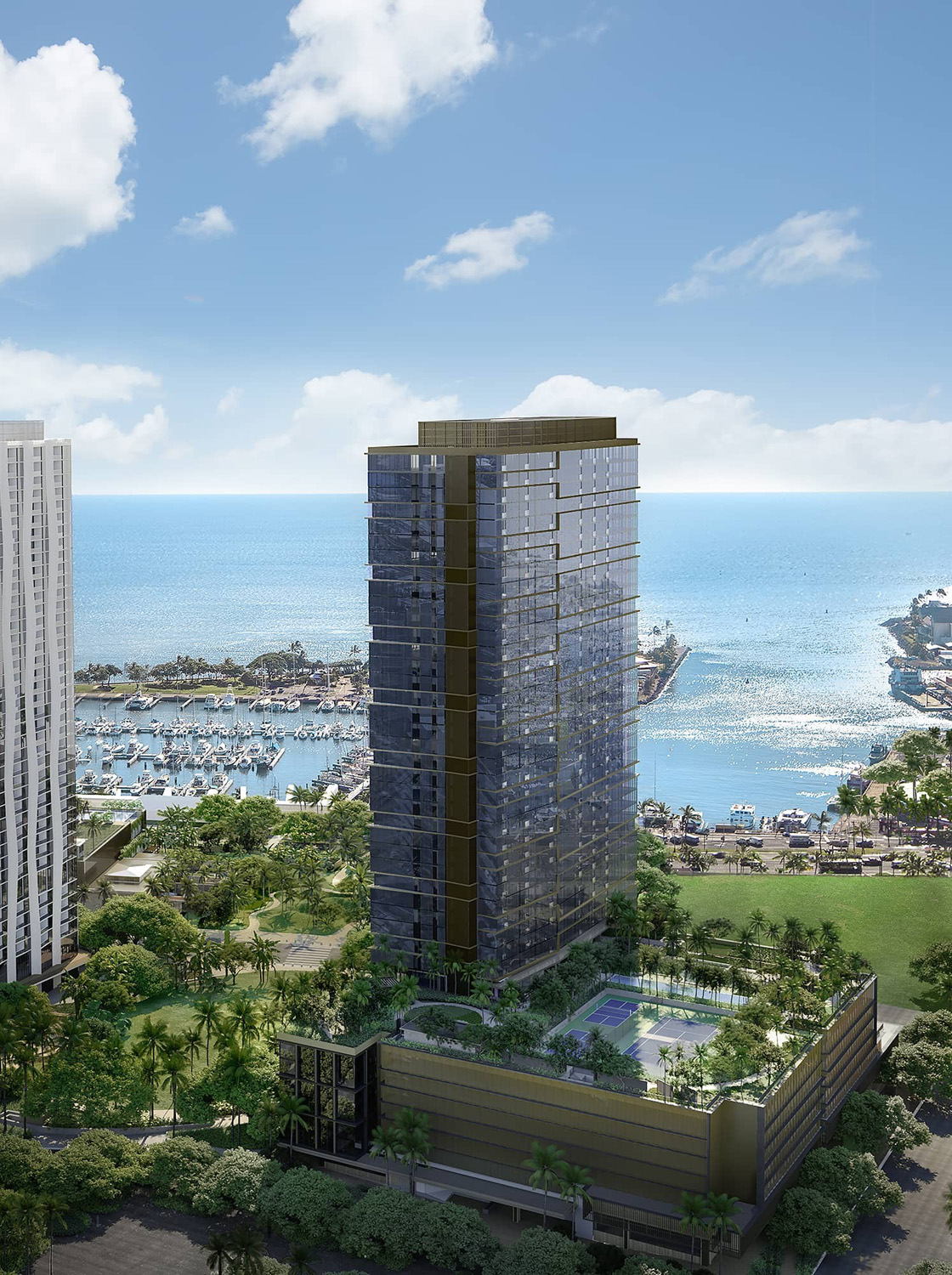
Ward Village aerial view in Kakaako Honolulu

Why Kakaʻako condo buyers are watching the market more closely

There are moments in every market cycle where opportunity quietly expands before most people fully recognize it. Honolulu’s urban core feels like one of those moments.

More Kakaʻako and Ala Moana inventory creates buyer optionality

Across Kakaʻako and Ala Moana, inventory levels have increased compared to the extremely constrained conditions buyers experienced over the last several years. At any given time, there are often around 250 active condo listings throughout the neighborhood, creating a level of choice that simply did not exist during the height of the market. That shift is subtle on the surface, but meaningful in practice, particularly in a micro-market where building-level differences carry significant weight.

For buyers, this changes the dynamic significantly.

Building-level details matter more in this Kakaʻako market

Instead of making rushed decisions with limited options, buyers can now compare buildings more carefully, negotiate selectively, and focus on long-term fit rather than urgency alone. In practical terms, this means more time to evaluate not just what a residence looks like, but how it performs as a long-term ownership asset. This is especially important in a neighborhood like Kakaʻako, where no two buildings operate exactly the same and where two seemingly similar units can carry very different ownership profiles once you account for structure, management, and long-term cost trajectory.

Monthly maintenance fees, reserve funding, future development around view corridors, floor plan functionality, parking layouts, amenity usage, pet policies, insurance exposure, and even elevator wait times can materially impact ownership experience. These are not secondary considerations in this submarket. They often become the difference between a property that feels effortless to own and one that becomes unexpectedly complex or expensive over time.

Price per square foot rarely tells the full condo value story

The best opportunities often come from understanding the nuances between towers, not simply identifying the lowest price per square foot. Pricing can be a starting point, but it rarely tells the full story in isolation. Two units with similar pricing can represent very different value propositions depending on exposure, floor height, building reputation, and long-term demand characteristics.

Some buyers are prioritizing newer luxury towers with resort-style amenities and turnkey finishes, where the appeal is immediacy and ease of ownership. Others are looking toward older or more established buildings with larger layouts, lower overall acquisition costs, or stronger relative value positioning compared to newer inventory in the same vicinity. In many cases, the decision comes down to whether the buyer is optimizing for lifestyle, investment positioning, or a blend of both.

Lifestyle still drives Kakaʻako and Ward Village demand

At the same time, developers continue reshaping the neighborhood into one of Honolulu’s most walkable and lifestyle-oriented urban districts. That evolution is not just aesthetic. It is structural, affecting how residents move through the area, how retail and public spaces are used, and how demand concentrates around specific corridors and buildings.

From morning walks through Victoria Ward Park to coffee meetings at SALT at Our Kakaʻako, beach access at Ala Moana Beach Park, farmers markets, restaurants, wellness studios, and increasingly refined retail experiences, buyers are evaluating not only the residence itself, but how daily life functions around it. The neighborhood experience is becoming a core part of the valuation equation rather than an ancillary benefit.

Today’s Kakaʻako market rewards strategy and patience

Real estate decisions here are rarely one-dimensional.

The current market rewards thoughtful strategy, patience, and building-level knowledge. For many buyers, this environment offers something that has been difficult to find in recent years: optionality, both in selection and in negotiation positioning.

And in real estate, optionality can be one of the most valuable advantages available to a buyer.

Your Top Hawaiʻi Luxury Condo Specialist

Lucy Heath

Lucy Heath is a Real Estate Advisor at Compass and the founder of Luxury Condos Hawaiʻi, recognized for her expertise in refined condominium living in Kakaʻako and Ala Moana. She has lived in Ward Village for over six years, witnessing its transformation from the earliest stages of development into one of Honolulu's most sought-after neighborhoods.

Get in Touch

Lucy Heath - Compass Real Estate Advisor Hawaii
June 2, 2026

Who Represents You Matters — Choosing the right Kaka'ako & Ala Moana Real Estate Agent

Lucy Heath Hawaii luxury condo advisor

Why representation matters in Kakaʻako and Ala Moana real estate

In a competitive market, buyers can easily become focused on one thing: winning the property. It's understandable. Emotional momentum is real, timelines move quickly, and the fear of missing out on the right home can compress judgment in ways that are hard to recognize in the moment.

What's less visible, and far more consequential, is the quality of guidance on the other side of that emotion.

Local building expertise changes luxury condo decisions

In Kakaʻako and Ala Moana, values shift not just from building to building, but from floor to floor, view corridor to view corridor. The premium attached to an unobstructed ocean view from a high floor in one tower is not the same premium that applies in a building two blocks away. HOA structures, maintenance histories, pending special assessments: these are not abstract details. In the luxury segment, they translate directly into whether a purchase represents genuine long-term value or an expensive mistake.

Why MLS data is not enough in the Kakaʻako condo market

An experienced local advisor brings something that cannot be replicated by access to MLS data alone: pattern recognition built over years of daily engagement with this specific inventory. I know which buildings hold value. I know which ones are priced on aspiration rather than comparables. I track buyer behavior over time, follow off-market and historical sales, and have personally transacted across multiple towers in this market. That familiarity has a practical value that compounds in high-stakes situations.

Strong representation means knowing when to move and when to pause

When competition is genuine, the right advisor helps a client move with confidence. When competition is emotional momentum rather than fundamentals, the right advisor helps a client pause. The willingness to give that advice, clearly, at the right moment, even when it's not what a client wants to hear, is part of what separates thorough representation from transactional service.

How informed guidance protects long-term condo value

In simpler markets, a knowledge gap between agents may not produce meaningful consequences. In a luxury market where a single purchase can represent years of accumulated wealth, the difference between informed and unfamiliar representation can be significant.

The goal of good representation is not to help someone buy a home. It is to help them buy wisely.

Work with a Kakaʻako and Ala Moana condo advisor

If you're exploring a purchase or sale in Kakaʻako or Ala Moana, I'd welcome the conversation.

Your Top Hawaiʻi Luxury Condo Specialist

Lucy Heath

Lucy Heath is a Real Estate Advisor at Compass and the founder of Luxury Condos Hawaiʻi, recognized for her expertise in refined condominium living in Kakaʻako and Ala Moana. She has lived in Ward Village for over six years, witnessing its transformation from the earliest stages of development into one of Honolulu's most sought-after neighborhoods.

Get in Touch
Lucy Heath - Compass Real Estate Advisor Hawaii