A Kakaʻako condo guide for buyers relocating from Japan
If you are considering moving from Japan to Hawaii, Kakaʻako is one of the first neighborhoods in Honolulu I would recommend exploring.
Located between Downtown Honolulu and Ala Moana, Kakaʻako has become one of Oʻahu's most desirable areas for condominium living. The neighborhood combines newer luxury towers, ocean and Diamond Head views, restaurants, shopping, parks, and easy access to Ala Moana Beach Park.
For Japanese buyers, Kakaʻako can offer an appealing combination of modern condominium living and a more residential atmosphere than some of Honolulu's more tourism-focused neighborhoods.
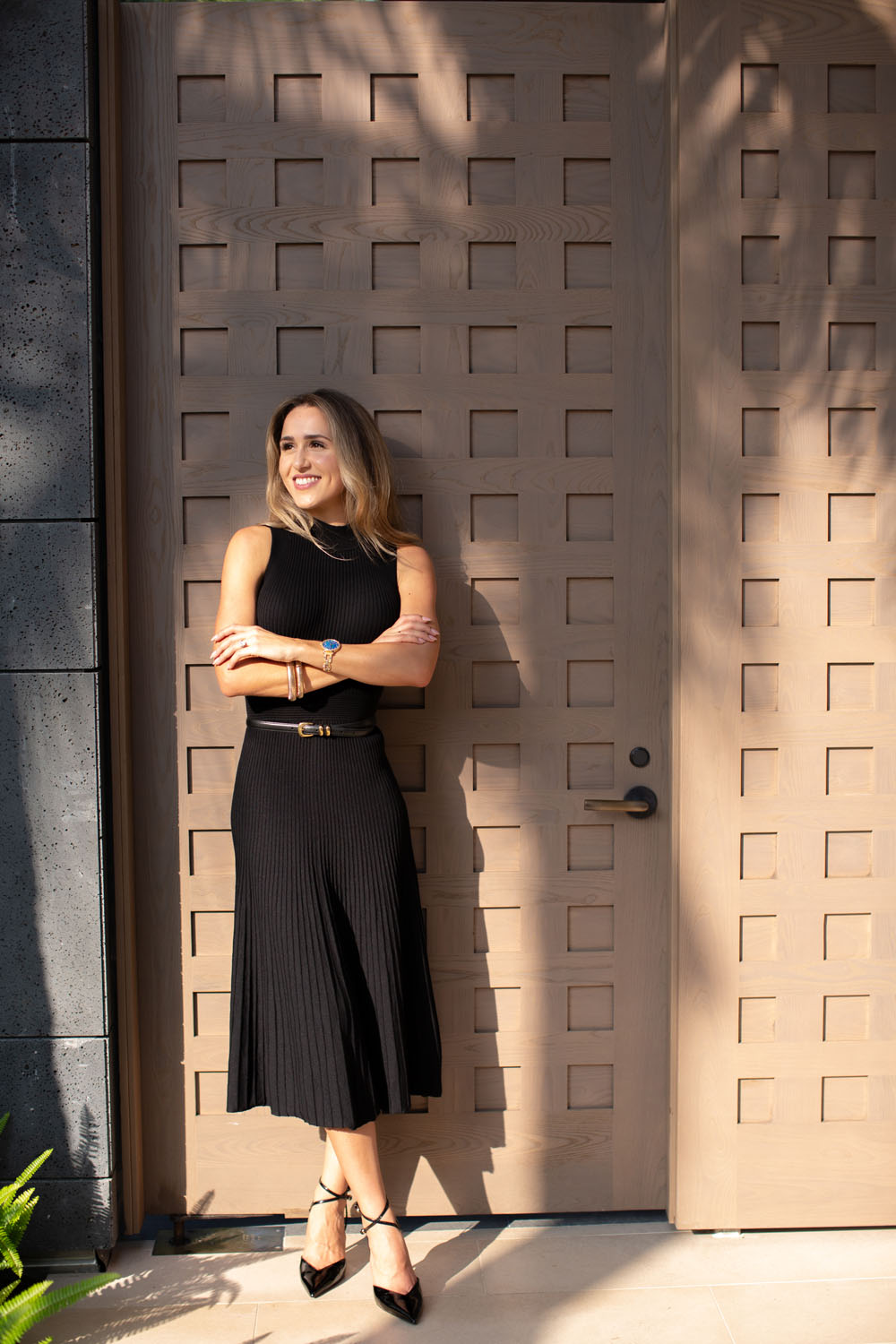
I have lived in Kakaʻako for more than seven years and specialize in Kakaʻako and Ala Moana condominium real estate. I work with buyers who are relocating to Honolulu, purchasing a second home, investing in a condo, or simply trying to understand which building is right for them.
If you are currently living in Japan and considering a move to Hawaii, here is what I think you should know before buying.
Can Japanese citizens buy a condo in Hawaii?
Yes. Foreign nationals can purchase real estate in Hawaii, including condominium properties in Honolulu.
You do not have to be a U.S. citizen to own a condo in Kakaʻako, and you do not necessarily need to be a U.S. resident to purchase property.
There is, however, an important distinction between owning property in the United States and having the right to live in the United States.
Purchasing a condo does not automatically provide a visa, green card, or permanent residency. Your ability to live in Hawaii will depend on your individual immigration status and circumstances, so anyone planning to relocate from Japan should consult a qualified U.S. immigration attorney for guidance.
From a real estate perspective, the first question I would ask is how you plan to use the property.
Will it be your primary residence? A second home? A long-term rental? A place you use for several months each year? Or are you primarily looking for an investment?
That answer can significantly affect which properties make sense to consider.
Why are Japanese buyers interested in Kakaʻako?
Kakaʻako offers something that can be difficult to find in Honolulu: modern condominium living in a genuinely walkable neighborhood.
Many of the newer buildings have resort-style amenities, pools, fitness centers, resident lounges, secure parking, and beautifully designed common areas. At the same time, you are close to restaurants, coffee shops, grocery stores, Ala Moana Center and the waterfront.
The neighborhood also has an unusually broad range of condominium options.
You can find established buildings with larger floor plans, newer Ward Village towers with contemporary amenities and some of Honolulu's most luxurious residences.
That variety is one of the reasons I recommend looking at the building first, not just the individual condo.
Two condos at a similar price can be completely different purchases depending on the building's location, views, floor plan, maintenance fees, parking, rental rules, insurance, financials, and long-term resale appeal.
Kakaʻako vs. Waikiki for Japanese buyers
Waikiki is understandably popular with international buyers, but Kakaʻako offers a very different lifestyle.
Waikiki is heavily oriented toward tourism. Kakaʻako feels more residential.
If you want to walk to coffee in the morning, have restaurants and shopping nearby, live in a modern condominium and still be close to the beach, Kakaʻako is worth considering.
Kakaʻako is also particularly appealing if you expect to spend significant time in your condo rather than simply using it as a vacation property.
Kakaʻako
More residential atmosphere
Newer luxury condominium inventory
Close to Ala Moana Beach Park
Walkable restaurants, shops and grocery stores
Large selection of modern condominium buildings
Strong range of full-time residential options
Waikiki
More tourism-focused
Extensive hotel and resort inventory
Direct access to Waikiki Beach
Strong vacation-rental presence in certain properties
Very established visitor infrastructure
Neither neighborhood is universally better. The right choice depends on how you intend to use your property.
How much does it cost to buy a condo in Kakaʻako?
Kakaʻako has an unusually broad range of condominium prices.
You can find condos for under $1 million, while larger luxury residences can cost several million dollars. The upper end of the market extends considerably higher.
The important thing to understand is that the neighborhood's overall median price does not tell you very much about the individual buildings.
Kakaʻako is not one homogeneous condo market.
A $900,000 condo in an established building can be completely different from a $900,000 condo in a newer Ward Village tower. Even within the same building, floor level, orientation, view, renovation, parking, and floor plan can create substantial differences in value.
This is why I focus heavily on building-specific and unit-specific comparable sales rather than simply looking at neighborhood averages.
Which Kakaʻako condo buildings should you consider?
This is where having a Kakaʻako specialist becomes particularly valuable.
There are dozens of condominium buildings throughout Kakaʻako and neighboring Ala Moana, but they are not interchangeable.
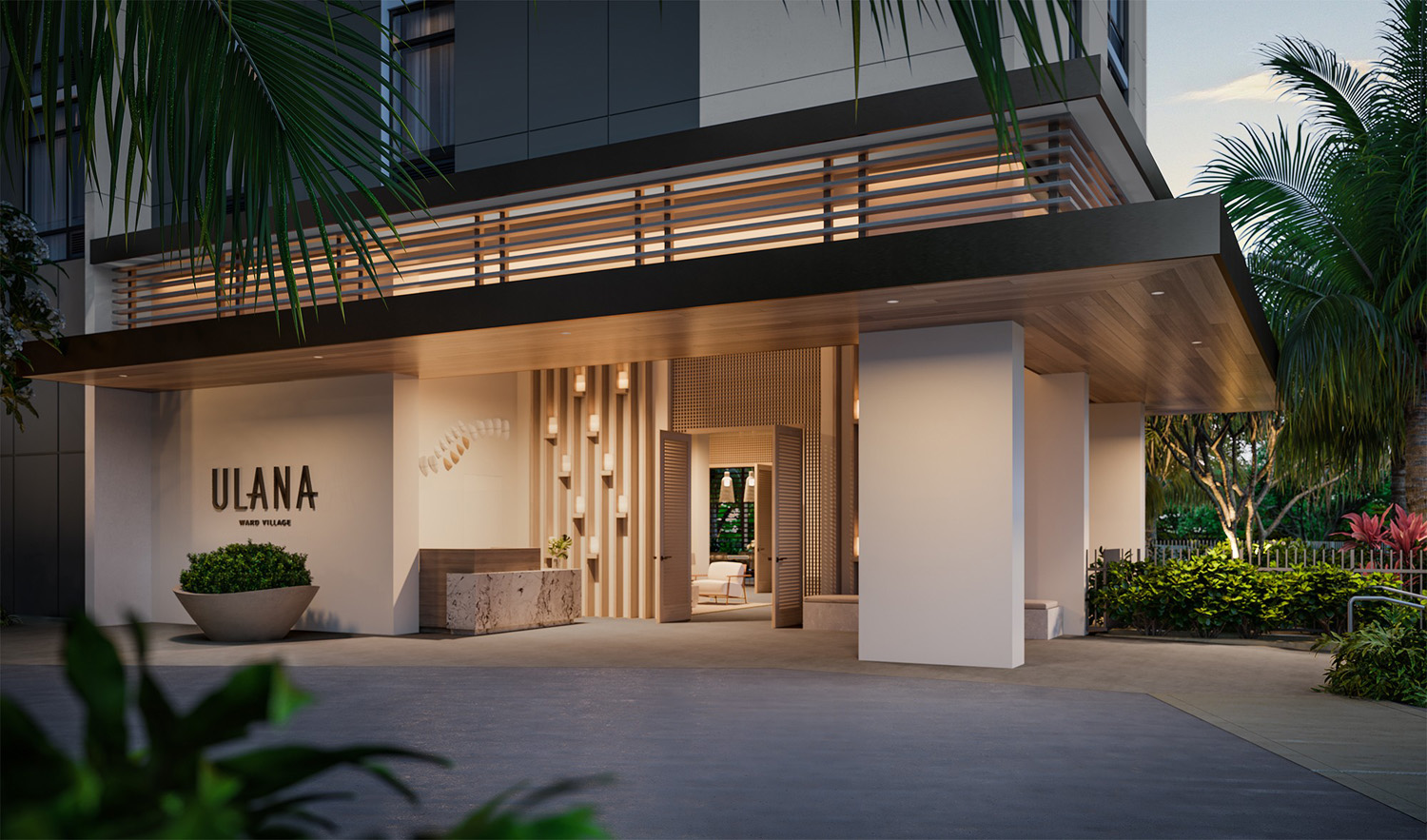
Within Ward Village alone, buyers may consider buildings including:
Each building has a different price point, floor plan selection, amenity package, location, and view profile.
An ocean-facing residence in one building can have very different long-term value from an ocean-facing residence in another building, even if the two condos look similar online.
This is one of the reasons I have created detailed building comparison guides for Kakaʻako. Understanding the differences between the buildings is often more important than simply finding the newest or most expensive one.
What should Japanese buyers look for in a Kakaʻako condo?
1. Fee simple vs. leasehold
This is one of the first things I discuss with international buyers.
Most buyers looking for a long-term residence or investment will want to understand whether the property is fee simple or leasehold.
Fee simple means you own the property and the associated land interest.
Leasehold means you own the improvements but lease the underlying land for a defined period.
Leasehold properties can sometimes appear significantly less expensive, but the economics are more complicated. The remaining lease term, lease rent, and other terms all need to be reviewed carefully.
If you are unfamiliar with the distinction, I will explain it before you spend time looking at individual properties.
2. Maintenance fees
Condominium maintenance fees in Hawaii can be significant, particularly in newer luxury buildings.
But the lowest maintenance fee does not necessarily mean the best value.
You need to understand what the fee includes, the building's condition, reserve funding, insurance costs, and whether the association anticipates future increases or assessments.
For international buyers who may not be living in Honolulu full-time, this becomes particularly important because you want confidence in the building's financial and physical condition.
3. The building's financials
I always recommend looking beyond the condo itself.
A beautifully renovated unit does not eliminate potential issues within a condominium association.
Before purchasing, buyers should review relevant association documents, budgets, reserves, insurance information, meeting minutes, and other available disclosures.
Hawaii's condominium market has also been dealing with increased insurance and building maintenance costs, making the financial health of the association an increasingly important part of the buying decision.
4. The view
In Kakaʻako, the difference between a city view and an unobstructed ocean view can be substantial.
So, can the difference be between an ocean view that is likely to remain protected and one that could be affected by future development?
When evaluating a view property, I look beyond what you see from the lanai today.
I consider the surrounding zoning, neighboring parcels, building height, orientation, and potential future development.
5. Parking
Parking is another important consideration.
Some Kakaʻako buildings have one assigned parking stall, some have multiple stalls, and some smaller or older condos have different parking arrangements.
If you plan to live in Honolulu full-time, this can be an important lifestyle consideration.
If you are buying primarily as a second home, it can also affect future resale appeal.
Can you get a mortgage in Hawaii if you live in Japan?
Potentially, yes.
Financing may be available to some international buyers purchasing property in Hawaii, although the options and qualification requirements may differ from those available to U.S. citizens or U.S. residents.
Lenders may consider factors including:
- Your citizenship and residency
- Where your income is earned
- Your assets and financial history
- Your credit profile
- The amount you plan to put down
- Your intended use of the property
- The condominium building and property type
- The lender's specific requirements for international borrowers
Not every lender offers financing to foreign nationals, and not every property will qualify for every loan program.
For that reason, I recommend speaking with a lender experienced with international buyers before you begin seriously shopping for a condo. This allows you to understand your financing options and establish a realistic budget before looking at specific properties.
If you are purchasing with cash, the financing process obviously does not apply, although you will still need to provide appropriate documentation regarding the source of funds.
As your real estate agent, I can connect you with local professionals who regularly work with international buyers and can explain the financing options available based on your individual circumstances.
What taxes should Japanese buyers understand?
Taxes are one area where I strongly recommend involving your own CPA or tax attorney.
There are several tax considerations depending on how you use the property and how you eventually sell it.
Honolulu property taxes vary according to the property's tax classification. Owner-occupied properties and investment properties can be taxed differently, and the classification can have a significant effect on your annual property tax bill.
There can also be a Hawaii conveyance tax associated with the transfer of real property.
If you are a nonresident owner who later sells the property, HARPTA may become relevant. HARPTA is Hawaii's withholding system for dispositions of Hawaii real property by nonresident persons.
If you are a foreign seller, federal FIRPTA may also apply.
These rules can be complicated, and withholding does not necessarily mean that the amount withheld is your final tax liability.
Your CPA or tax attorney can advise you based on your individual circumstances.
The important point is to understand these issues before buying, rather than discovering them when you sell.
Can you rent out your Kakaʻako condo?
Yes, but this is an area where buyers need to understand the rules before making a purchase.
Kakaʻako is not a short-term vacation-rental market. Buyers should generally plan around longer-term residential rentals, with a minimum rental period of six months being a key consideration for Kakaʻako condos.
Short-term vacation rentals are not permitted in Kakaʻako, and Honolulu's short-term-rental regulations are separate from the individual rules imposed by each condominium association. The City and County of Honolulu regulates short-term rentals based on factors including location and zoning.
If rental income is part of your strategy, I recommend confirming both the applicable regulations and the specific condominium's rental restrictions before purchasing.
For many buyers, a long-term rental can still be an attractive strategy, particularly if the property is in a building with strong rental demand and reasonable maintenance fees.
What is it like to live in Kakaʻako?
This is one of my favorite parts of helping people move here.
Kakaʻako has a very different rhythm from a traditional resort area.
You can walk to coffee in the morning, work from your condo, go to the gym, meet friends for dinner, walk along the waterfront, and drive to Ala Moana Beach Park in minutes.
You are also close to Downtown Honolulu, Queen's Medical Center, Ala Moana Center and major transportation routes.
For someone relocating from a major Japanese city, Kakaʻako can feel familiar in some ways. It is relatively dense, walkable and urban, but with an entirely different climate and lifestyle.
The trade-off is that Honolulu is still Hawaii.
Cars are common, public transportation is more limited than in major Japanese cities, groceries and services can be more expensive, and island living requires some adjustment.
I always encourage buyers to spend time actually living in the neighborhood before making a purchase if possible.
What is the best Kakaʻako condo for someone moving from Japan?
There isn't one answer.
The best building depends on your priorities.
If you want ocean views
Look at buildings and individual stacks with strong ocean exposure and consider whether the view is likely to remain protected.
If you want walkability
Consider your proximity to Ala Moana Center, restaurants, grocery stores, the waterfront and Ala Moana Beach Park.
If you want luxury
Kakaʻako has some of Honolulu's most luxurious condominium residences, including Waiea, Victoria Place, and Kalae.
If you want value
Some of Kakaʻako's established buildings can offer significantly more square footage for your budget than newer luxury towers.
If you want investment potential
Rental restrictions, maintenance fees, building condition, insurance, location and resale demand become particularly important.
If you plan to live here full-time
Floor plan, storage, parking, natural light, noise, and proximity to everyday necessities may matter more than the building's prestige.
There is no universal "best condo."
There is a best condo for you.
Why work with a Kakaʻako real estate specialist?
Buying property from another country is very different from buying a home down the street.
You need someone who understands not only the transaction, but the differences between the buildings.
I specialize in Kakaʻako and Ala Moana condominium real estate, and I have lived in Kakaʻako for more than seven years.
My role is not simply to send you listings.
I help buyers understand:
- Which buildings fit their lifestyle
- Which buildings offer the best value
- How different floor plans compare
- Which views are likely to remain protected
- How maintenance fees compare
- Potential building concerns
- Rental restrictions
- Comparable sales
- Negotiation strategy
- The differences between fee simple and leasehold
- The practical realities of owning a condo in Honolulu
For international buyers, I can also coordinate with lenders, escrow, attorneys, inspectors, property managers, and other professionals to ensure the right people are involved at each stage.
Most importantly, I can provide context you won't find by simply searching condominium listings online.
Thinking about moving from Japan to Kakaʻako?
If Kakaʻako is on your shortlist, I recommend starting with the neighborhood rather than with a particular listing.
Tell me what is important to you, whether that is ocean views, budget, building age, amenities, rental potential, proximity to the beach, number of bedrooms, or a particular lifestyle, and I can narrow the market down to the buildings that actually make sense.
I also offer a free Kakaʻako Condo Guide designed to help buyers understand the different buildings, neighborhoods, and considerations before making a purchase.
If you are currently living in Japan, we can begin the process remotely and arrange property tours for when you are in Honolulu.
Thinking about buying a condo in Kakaʻako or Ala Moana? Contact me to discuss what you're looking for, and I can help you understand the market and purchasing process.
Your Top Hawaiʻi Luxury Condo Specialist
Lucy Heath
Lucy Heath is a Real Estate Advisor at Compass and the founder of Luxury Condos Hawaiʻi, recognized for her expertise in refined condominium living in Kakaʻako and Ala Moana. She has lived in Ward Village for over six years, witnessing its transformation from the earliest stages of development into one of Honolulu's most sought-after neighborhoods.
Get in Touch