Feb. 28, 2026
A practical guide to the full monthly cost of condo ownership—beyond the purchase price
What It Really Costs to Own a Condo in Kakaʻako and Ala Moana
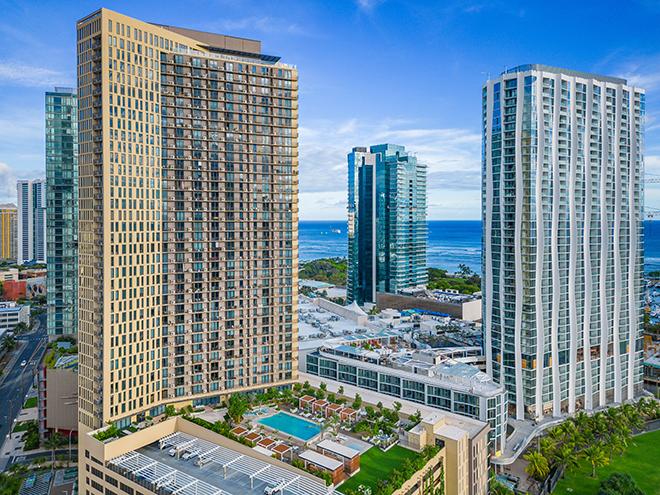
When buyers begin searching for a condominium in Kakaʻako and Ala Moana, the purchase price is usually the number that gets the most attention. But the purchase price alone rarely tells the full story. Monthly ownership costs can vary significantly depending on the building, the unit, and even which side of the building a residence faces.
Having lived and worked in Kakaʻako and Ala Moana for several years, one of the most common questions I hear from buyers is what ownership actually costs month to month. Understanding the complete financial picture early in the process helps buyers plan confidently, compare properties more accurately, and avoid surprises after closing.
Below is a practical look at what contributes to the real cost of owning a condo in Kakaʻako and Ala Moana.
Mortgage and Financing
For buyers using financing, the largest monthly expense is typically the mortgage payment, which includes principal and interest. The exact amount depends on several variables, including purchase price, down payment, loan type, and prevailing interest rates.
One detail that often surprises buyers is how timing affects the financing process. Mortgage pre-approvals are typically valid for about 90 days, so aligning financing with an active search window is important. Market conditions, interest rates, and lending guidelines can also shift, which is why working with both a knowledgeable lender and an experienced agent helps keep expectations aligned with current conditions.
While the mortgage payment is the most visible expense, it is only one part of the full monthly picture.
HOA Fees and What They Actually Cover
Homeowners association fees are a significant component of condominium ownership in Honolulu, and they vary considerably by building.
In newer Kakaʻako and Ala Moana towers, HOA fees often support a wide range of services and infrastructure, including building staffing and maintenance, security and access control, amenity upkeep such as fitness rooms, pools, and lounges, landscaping and common area care, and reserve funding for long-term building maintenance.
Some buildings also include water, sewer, or other utilities, though this varies by property.
It is important to look beyond the total monthly fee and understand what is included. Buildings with extensive amenities, higher staffing levels, or more complex infrastructure often have higher dues, but they also provide a different ownership experience and level of service. Evaluating HOA fees in context, rather than in isolation, is one of the most important steps in comparing condominiums in Kakaʻako and Ala Moana.
In most well-managed buildings, maintenance fees tend to increase gradually over time, often in the range of approximately two to three percent annually, reflecting rising operating costs and inflation. However, there are periods when increases can be more substantial. For example, sharp changes in insurance premiums, including for hurricane coverage, have caused some buildings across Hawaiʻi to see increases of 10, 15, or even 30 percent in a single year before costs stabilize.
This is one of the reasons it is so important to carefully review condominium documents while in escrow. Meeting minutes, financial statements, and reserve studies often provide valuable insight into how the building is managed, whether the board anticipates fee increases, and whether deferred maintenance or major projects are being discussed.
Another detail buyers often look at during this review is the building’s reserve funding. Reserve funds are set aside for long-term repairs and replacement of major components such as elevators, roofing, mechanical systems, and common areas. Buildings that consistently contribute to reserves and follow their reserve study recommendations are often better prepared for future expenses, while underfunded reserves can increase the likelihood of larger fee increases or special assessments over time. Reviewing the reserve study and financial statements can provide useful insight into how proactively a building is planning for the future.
Understanding these details helps buyers avoid surprises and make more informed decisions.
Special Assessments
In addition to regular maintenance fees, buyers should also be aware of the possibility of special assessments.
A special assessment is a one-time or short-term charge levied by the association to cover expenses not fully funded by reserves or the operating budget. A variety of factors, such as major repairs, capital improvements, insurance-related costs, unexpected infrastructure issues, or other large expenses, can trigger these assessments.
Special assessments are relatively common in Hawaiʻi, particularly in buildings in Kakaʻako and Ala Moana that are addressing insurance increases, infrastructure upgrades, or long-term maintenance projects.
Another situation where assessments can arise is when a newer building is still within its construction warranty perio,d and the association is pursuing claims against a developer or contractor. In some cases, legal costs associated with construction defect claims or other disputes may be funded through a temporary assessment until the matter is resolved.
Because of this, it is important for buyers to understand whether a building has had recent assessments or is being assessed in the future.
During escrow, reviewing the condominium documents and asking specific questions about past or planned assessments can provide important clarity. Meeting minutes often reveal whether projects are being discussed that could lead to future assessments, and reserve studies can indicate how well the building is planning for long-term maintenance.
Taking the time to review these materials carefully is one of the most important steps in evaluating a condominium purchase.
Property Taxes
Property taxes in Honolulu are generally lower than in many mainland markets, but they remain an important part of monthly ownership costs and should always be included when evaluating affordability.
For the 2025–2026 tax year (July 1, 2025, through June 30, 2026), owner-occupied properties that qualify for the homeowner exemption are typically taxed at the Residential Homeowner rate, which is approximately $3.50 per $1,000 of net taxable value, or about 0.35% annually after exemptions are applied.
Taxes are based on the county’s assessed value rather than the purchase price, and assessed values are updated periodically.
It is important to note that tax information is subject to change, and individual circumstances vary. Buyers should always confirm current rates and consult with their tax professional or financial advisor for guidance specific to their situation.
The Homeowner Exemption
One of the most important tax advantages available to primary residents is the homeowner exemption, which reduces the property's taxable value before taxes are calculated.
For the 2025–2026 tax year:
- Owners under age 65 may claim an exemption of $120,000
- Owners age 65 or older may claim an exemption of $160,000
For example, if a condominium has an assessed value of $1,000,000 and the owner qualifies for a $120,000 exemption, taxes are calculated on approximately $880,000 rather than the full assessed value.
To receive the exemption, a homeowner must occupy the property as their primary residence and file a homeowner exemption application with the City and County of Honolulu Real Property Assessment Division.
Applications are typically due by September 30 to apply the exemption to the following tax year. Once approved, the exemption generally continues automatically as long as the property remains the owner’s primary residence and eligibility requirements are met.
Because the tax rate difference between homeowner and non-owner-occupied classifications can be significant, buyers planning to live in their property usually want to file for this exemption promptly after closing.
Residential A Tax Rates (Non-Owner-Occupied Properties)
Properties that are not owner-occupied—such as second homes, part-time residences, or investment properties in Kakaʻako and Ala Moana—are taxed under the Residential A classification, which uses a tiered rate structure.
For the 2025–2026 tax year, approximate Residential A rates are:
- Up to $1,000,000 of assessed value: about $4.50 per $1,000
- $1,000,000 to $2,000,000: about $6.50 per $1,000
- $2,000,000 to $3,000,000: about $9.00 per $1,000
- Over $3,000,000: about $10.50 per $1,000
These rates are applied in tiers rather than as a single flat percentage, so different portions of the assessed value may be taxed at different levels.
For buyers purchasing a condominium as a second home or investment property, this difference in tax classification can significantly affect total monthly costs, so it is important to factor it into the budget early in the process.
Assessed Value vs. Purchase Price
Another detail buyers often overlook is that assessed value and market value are not always the same.
In many cases, assessed values lag behind current market prices because they are based on valuation dates that may be months in the past. After a property sells, future assessments may gradually adjust to reflect market conditions, which can result in changes to the tax bill over time.
Because of this, buyers should avoid assuming that the current tax amount shown on a listing will remain the same in future years. Reviewing the assessed value history and understanding how reassessments work can provide a more realistic expectation of long-term ownership costs.
Insurance Considerations
Condominium owners typically carry what is known as an HO-6 policy. This type of insurance covers interior finishes, personal property, and liability within the unit itself, while the building’s master policy generally covers the structure and common areas.
Most condominium associations also require owners to maintain a minimum level of HO-6 coverage. These requirements are typically outlined in the condominium documents and are intended to ensure that units are adequately insured against damage or liability claims.
For buyers using financing, lenders usually require proof of insurance prior to closing and will monitor coverage throughout the life of the loan. If a borrower fails to maintain the required policy, the lender may obtain coverage on the owner’s behalf and add the cost to the mortgage payment. This lender-placed insurance is often significantly more expensive and typically provides more limited coverage than a policy obtained directly by the owner.
Even for buyers paying cash, most associations still require owners to maintain insurance in accordance with the condominium documents, and many owners choose to carry coverage regardless to protect their interior finishes and personal liability.
Insurance requirements and costs can also vary depending on the building’s master policy and lending guidelines, which is another reason careful review during the purchase process is important.
Utilities and Everyday Living Costs
Utilities are another variable expense that depends on the individual unit and its use.
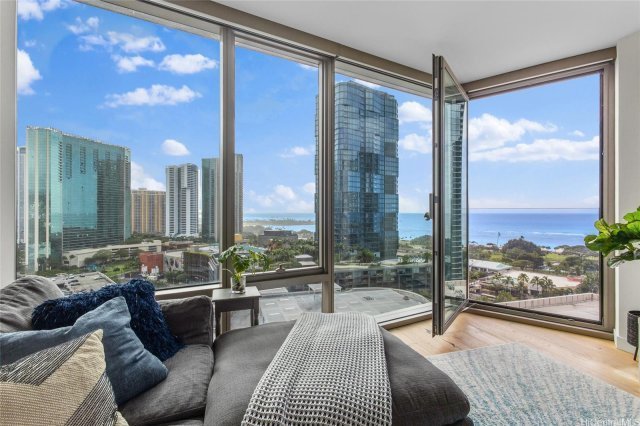
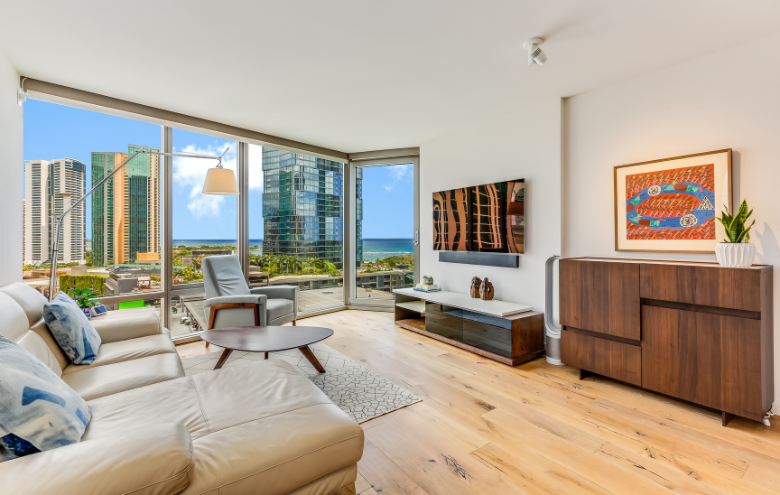
Electricity is often the primary utility cost, particularly in residences with large glass exposures or strong afternoon sun. Layout, floor height, and orientation can all influence cooling needs, and these factors vary significantly from one unit to another.
Internet, optional services, and personal usage habits also contribute to monthly expenses. While these costs are generally manageable, they are worth considering when building a realistic monthly budget.
Maintenance and Interior Upkeep
Even in newer buildings, owners should plan for occasional maintenance or updates inside the unit. Over time, items such as appliances, lighting, finishes, or furnishings may need repair or replacement.
These costs are not typically monthly expenses, but planning for them ensures ownership remains comfortable and predictable over the long term.
A Realistic Example of Monthly Costs
While every purchase is different, it can be helpful to look at a general example to understand how costs come together.
For example, a condominium purchased around $1.2M in Kakaʻako or Ala Moana might include monthly expenses such as a mortgage payment, depending on rate and down payment, HOA dues that vary by building and amenity level, property taxes based on assessed value, insurance for interior coverage, and electricity and internet.
The exact numbers vary depending on financing structure and building, but the key takeaway is that ownership costs are best evaluated as a full monthly picture rather than focusing on a single line item.
Why Costs Vary More Than Buyers Expect
One of the defining characteristics of purchasing in Kakaʻako and Ala Moana is the significant variation, even within the same building.
Two residences in the same tower may have very different monthly expenses and market values depending on view orientation, floor height, exposure to sun and wind, layout efficiency, and parking configuration.
Price per square foot can also differ meaningfully depending on which side of the building a residence faces and the quality of the view. These nuances are not always obvious in online listings but can significantly affect both the ownership experience and long-term value.
The Lifestyle Factor
While costs are important, many owners find that the lifestyle offered in Kakaʻako and Ala Moana is what ultimately defines the value of ownership. Walkability, proximity to the ocean, thoughtfully designed residences, and access to restaurants, parks, and everyday conveniences all contribute to the appeal of these neighborhoods.
Final Thoughts
Owning a condominium in Kakaʻako and Ala Moana offers a distinctive combination of design, walkability, and proximity to the ocean that continues to attract both local and relocating buyers. Approaching a purchase with a clear understanding of total ownership costs allows buyers to make decisions with confidence and clarity.
If you are considering buying in Kakaʻako or Ala Moana and would like a building-specific perspective on costs, layouts, or market trends, I am always happy to help.
Lucy Heath Luxury Condos Hawaiʻi
Your Top Hawaiʻi Luxury Condo Specialist
Lucy Heath
Lucy Heath is a Real Estate Advisor at Compass and the founder of Luxury Condos Hawaiʻi, recognized for her expertise in refined condominium living in Kakaʻako and Ala Moana. She has lived in Ward Village for over six years, witnessing its transformation from the earliest stages of development into one of Honolulu's most sought-after neighborhoods.