Why walkability is one of Honolulu real estate's most valuable amenities
Luxury in Honolulu has evolved.
While ocean views, resort amenities, and architectural design remain important, many buyers today are prioritizing something far more practical: walkability.
Why Kakaʻako and Ala Moana buyers prioritize walkable neighborhoods
Kakaʻako and Ala Moana have become two of the most sought-after neighborhoods on Oʻahu, largely because they offer residents a more connected daily lifestyle. That connectivity changes how people experience ownership on a fundamental level, shifting the focus from isolated property features to how a home functions within the rhythm of everyday life.
For many condo owners, the ability to walk to morning coffee, fitness studios, restaurants, grocery stores, beaches, parks, and retail has become an essential part of how they define quality of life. It is no longer viewed as a bonus feature but as a core expectation, particularly in newer luxury developments designed around urban living.
Convenience creates real lifestyle value in Honolulu condos
In neighborhoods dominated by traffic and limited parking, convenience carries real value. Time savings accumulate in ways that are easy to underestimate at the point of purchase but very real in day-to-day living. A five-minute walk replacing a twenty-minute drive, repeated across daily routines, has a measurable impact on lifestyle satisfaction over time.
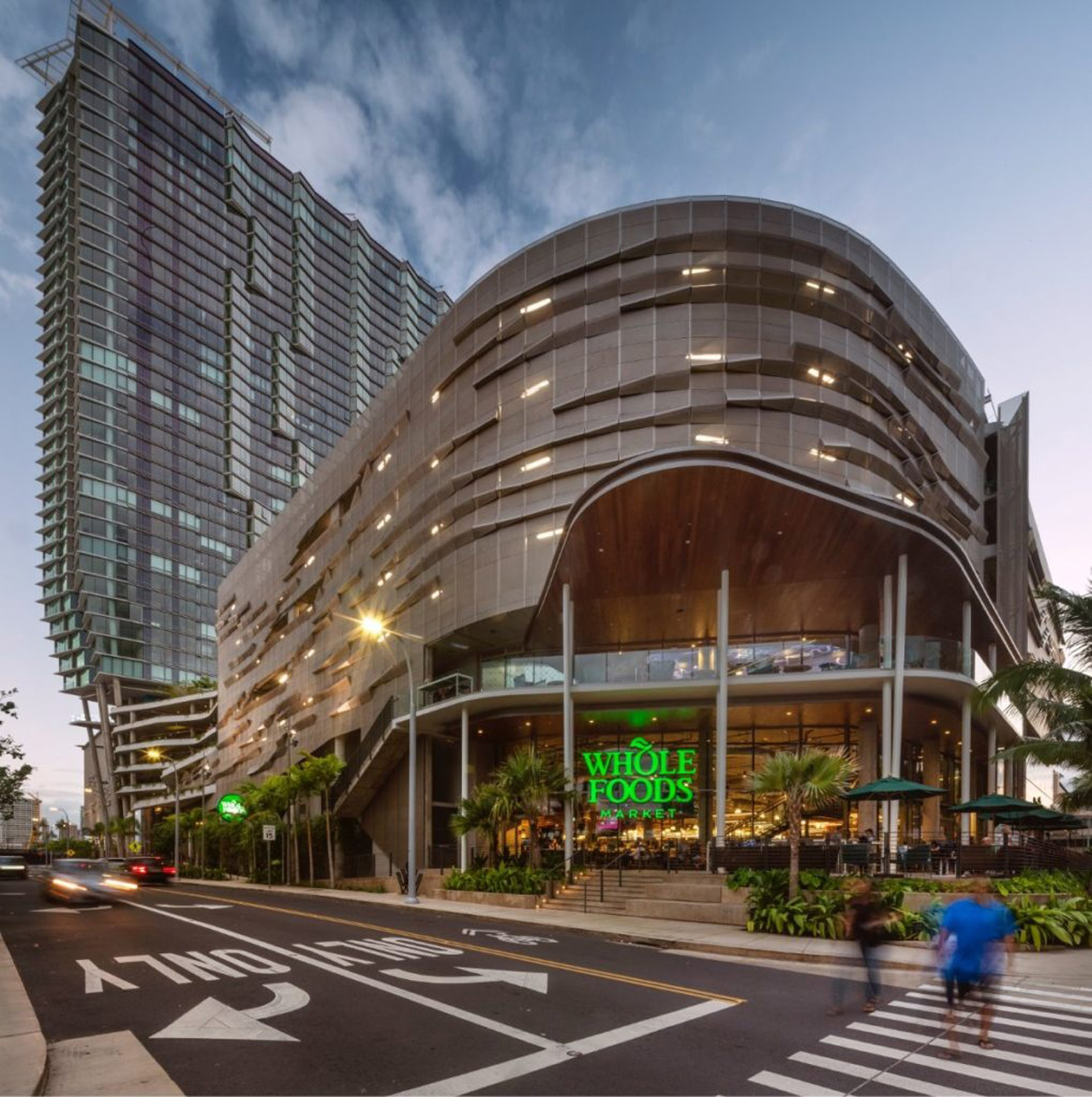
Residents in Ward Village can get through much of their day without constantly having to drive across town. Ala Moana Beach Park, Whole Foods Market, farmers markets, boutique fitness studios, parks, and dining destinations are often just minutes away on foot. This proximity supports a more fluid routine where exercise, errands, social life, and leisure blend together rather than requiring separate trips across the city.
Buyer questions about walkability and daily routine
This shift is also influencing buyer behavior. Increasingly, buyers are evaluating neighborhoods through the lens of routine rather than occasional use. They are asking:
- How does this building function day-to-day?
- Can I comfortably live here without depending entirely on a car?
- Does the neighborhood support wellness, convenience, and flexibility?
- What does a normal weekday actually feel like from this address?
Walkability supports long-term condo demand
These questions matter because luxury today is becoming more experiential. People are placing greater emphasis on time, ease, and overall lifestyle efficiency. In many ways, walkability creates exactly that. It reduces friction. It creates flexibility. It allows residents to feel more connected to both the neighborhood and their routines in a way that feels sustainable rather than aspirational.
There is also a compounding effect that comes with highly walkable environments. When daily needs are consistently accessible, residents tend to engage more with the surrounding community, which reinforces the neighborhood's appeal. Over time, this strengthens demand patterns and contributes to a more resilient ownership base.
What walkability means for Honolulu luxury condo buyers
As Honolulu continues to evolve, buildings located in highly walkable districts may continue to benefit from sustained long-term demand.
Not simply because of aesthetics, but because they support how people increasingly want to live, how they spend their time, and how they define value in a residential experience.
Your Top Hawaiʻi Luxury Condo Specialist
Lucy Heath
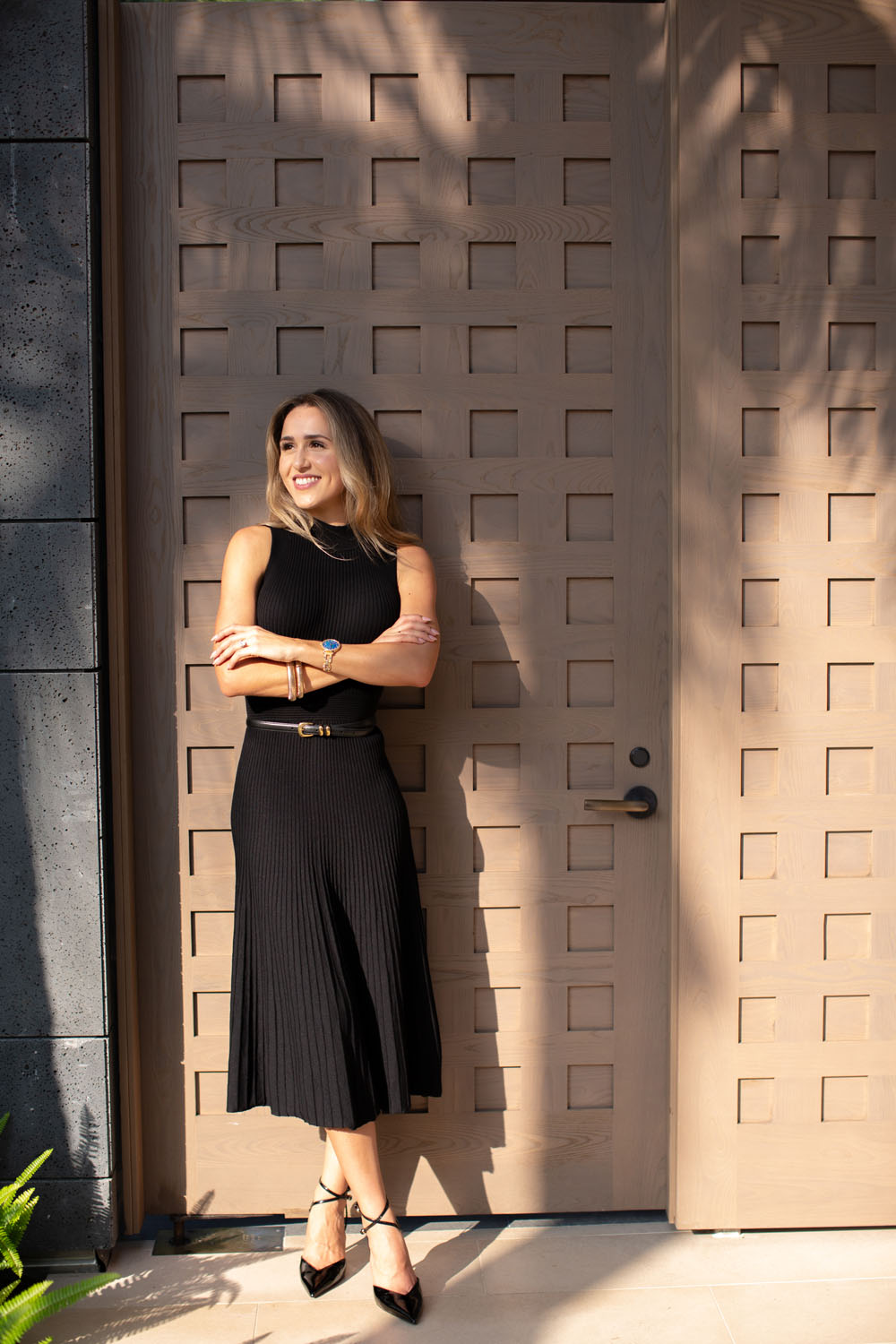
Lucy Heath is a Real Estate Advisor at Compass and the founder of Luxury Condos Hawaiʻi, recognized for her expertise in refined condominium living in Kakaʻako and Ala Moana. She has lived in Ward Village for over six years, witnessing its transformation from the earliest stages of development into one of Honolulu's most sought-after neighborhoods.
Get in Touch