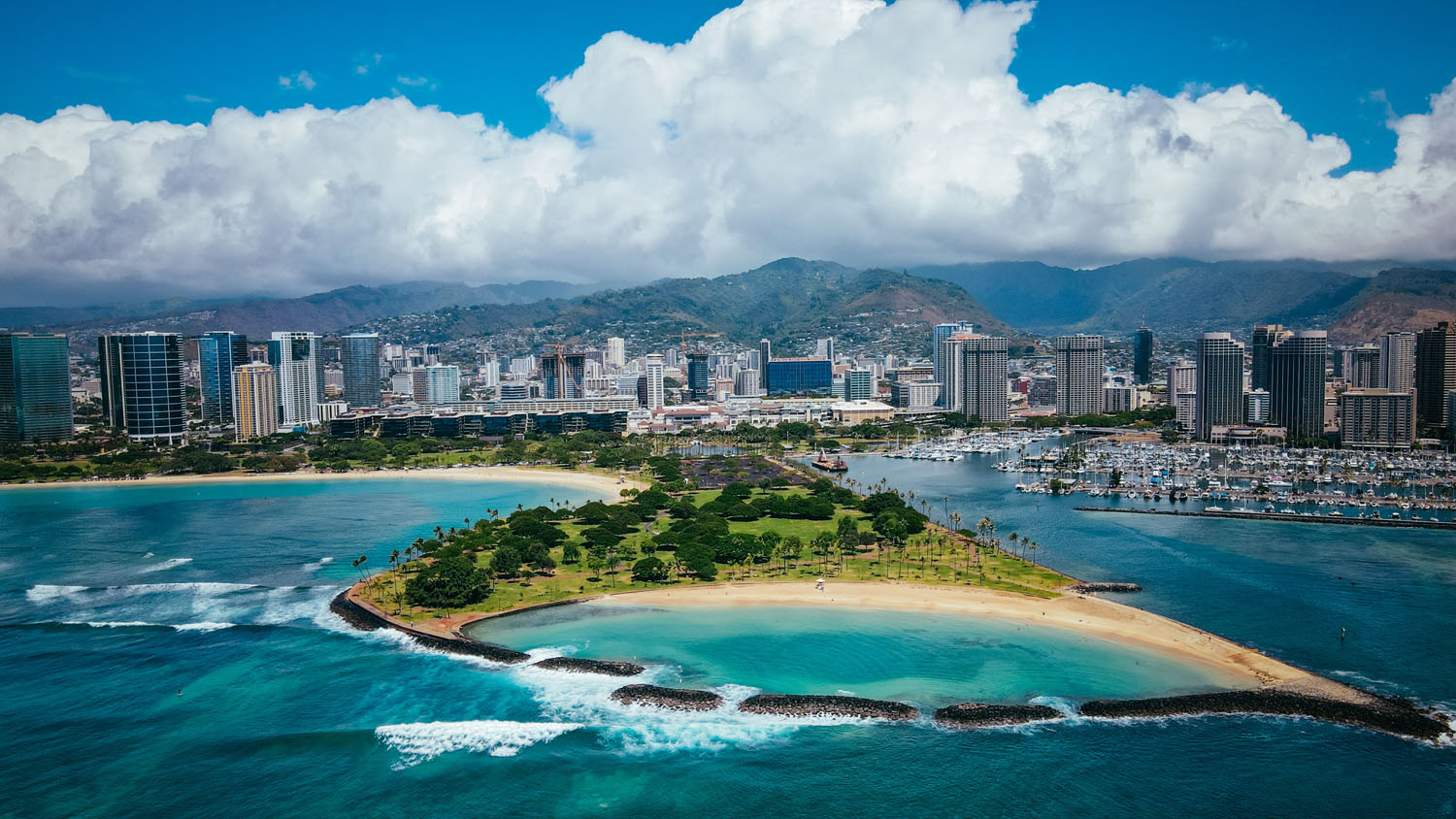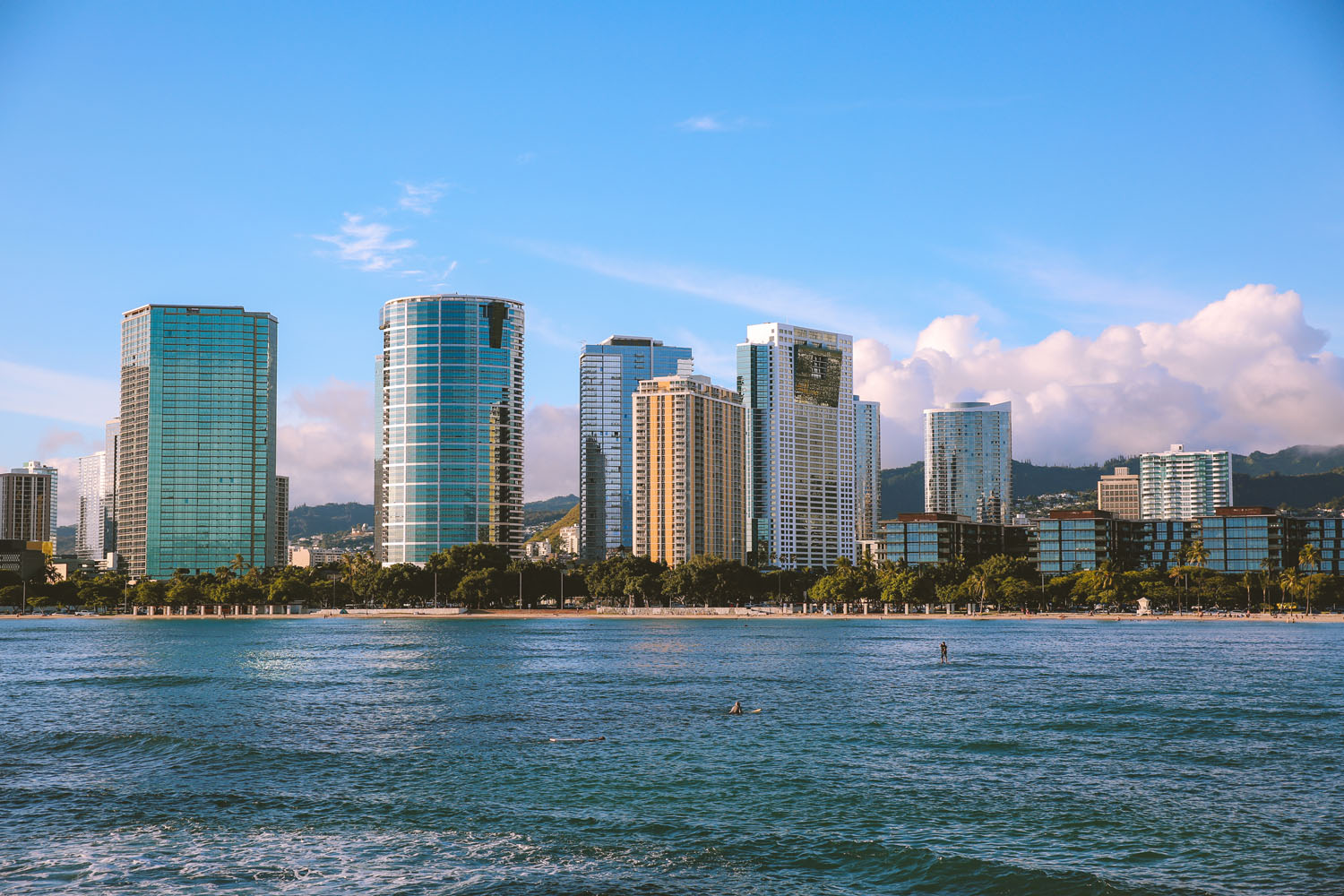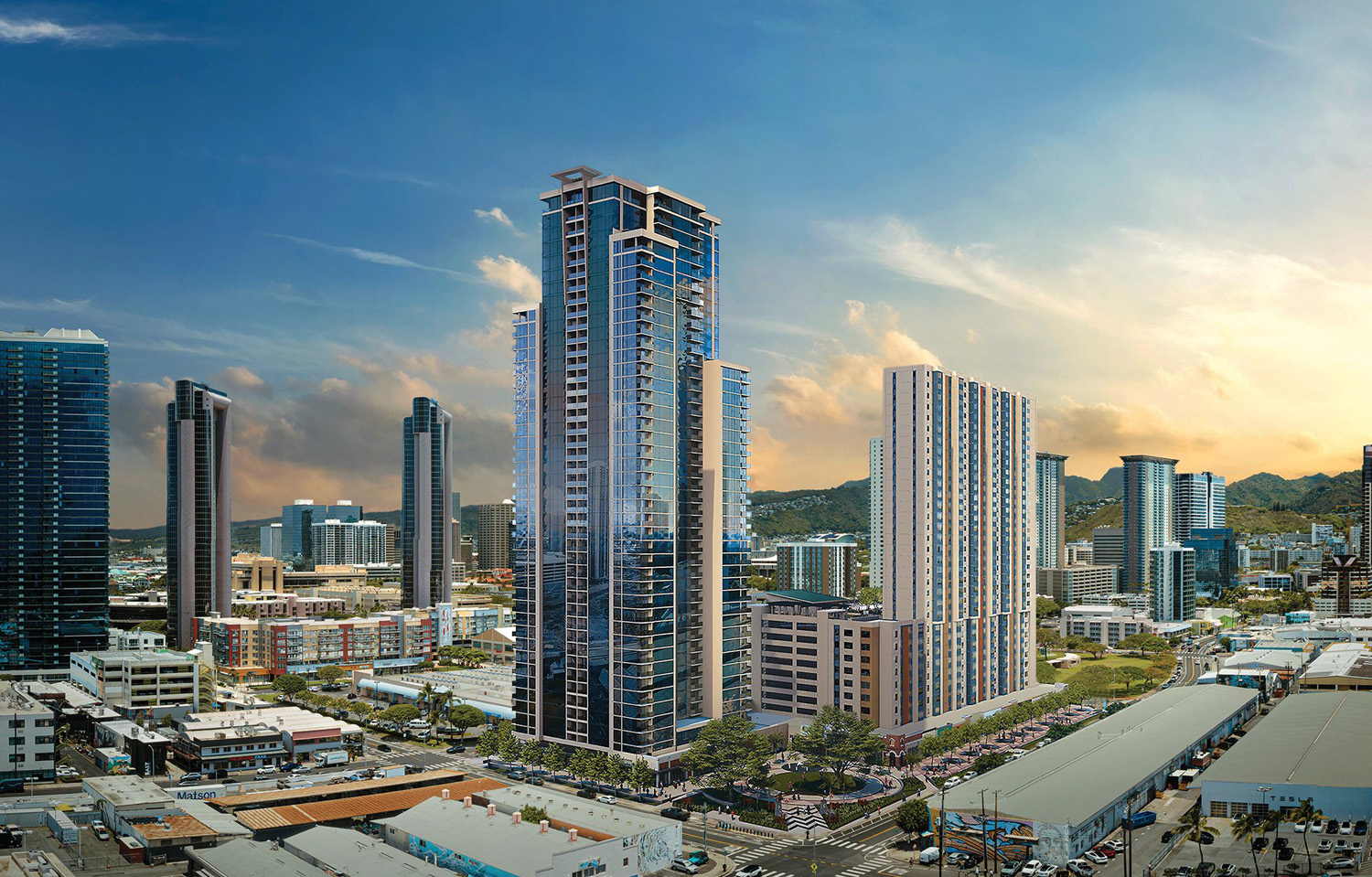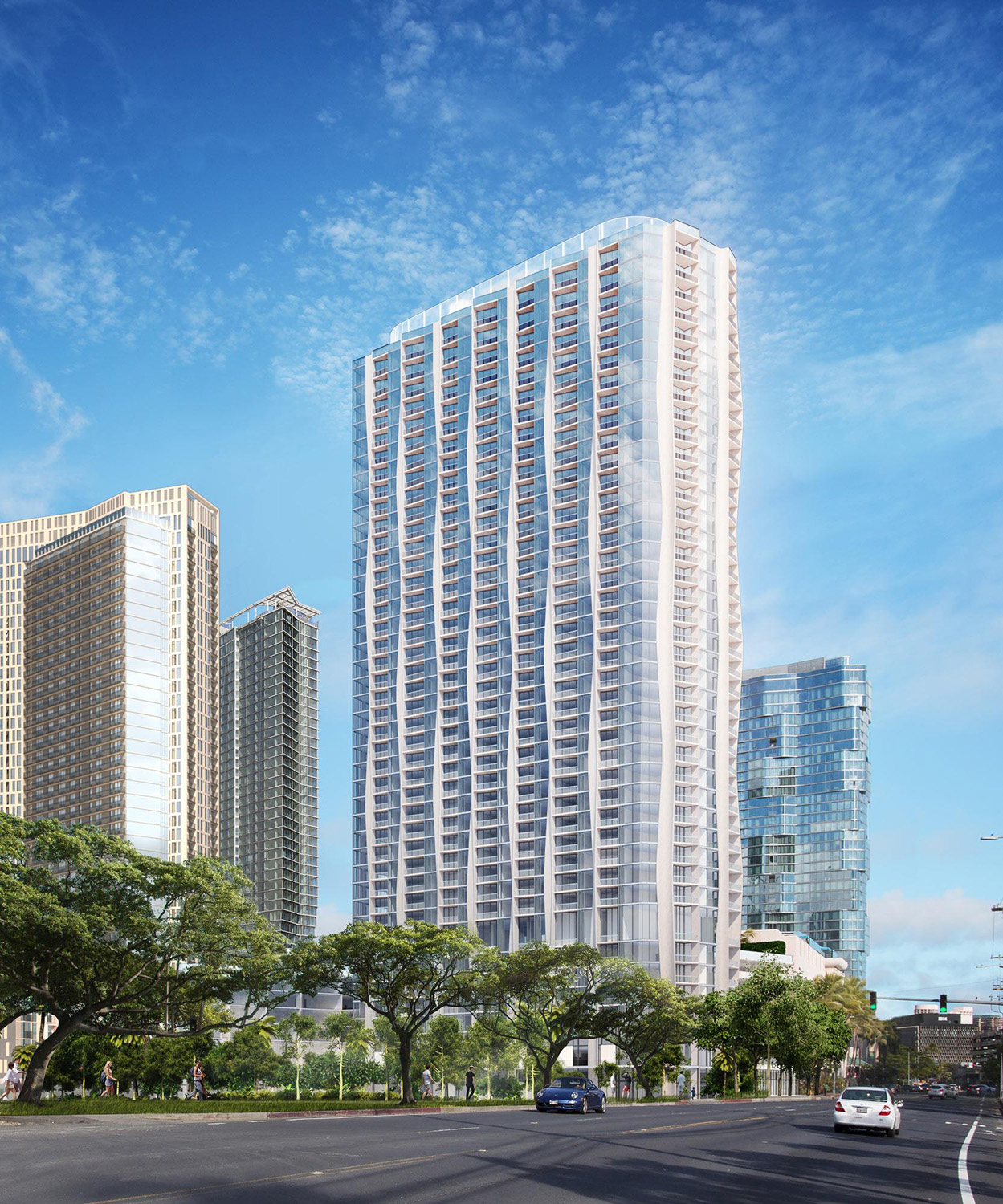
Luxury Condos in Hawaii Blog

Luxury Condos in Hawaii Blog

Welcome to the LuxuryCondosHI.com Blog, your insider guide to Hawaii’s premier condo living. Explore expert market insights, new development updates, and in-depth community spotlights across Kakaʻako, Ala Moana, Ward Village, and Honolulu’s most sought-after coastal neighborhoods. Whether you’re buying, investing, or simply exploring island luxury, our posts deliver the clarity, trends, and local expertise to help you make confident moves in Hawaii’s high-end real estate market.

Feb. 25, 2026

Ward Village Honolulu: A Buyer's Guide to the Neighborhood, the Master Plan, and the Towers

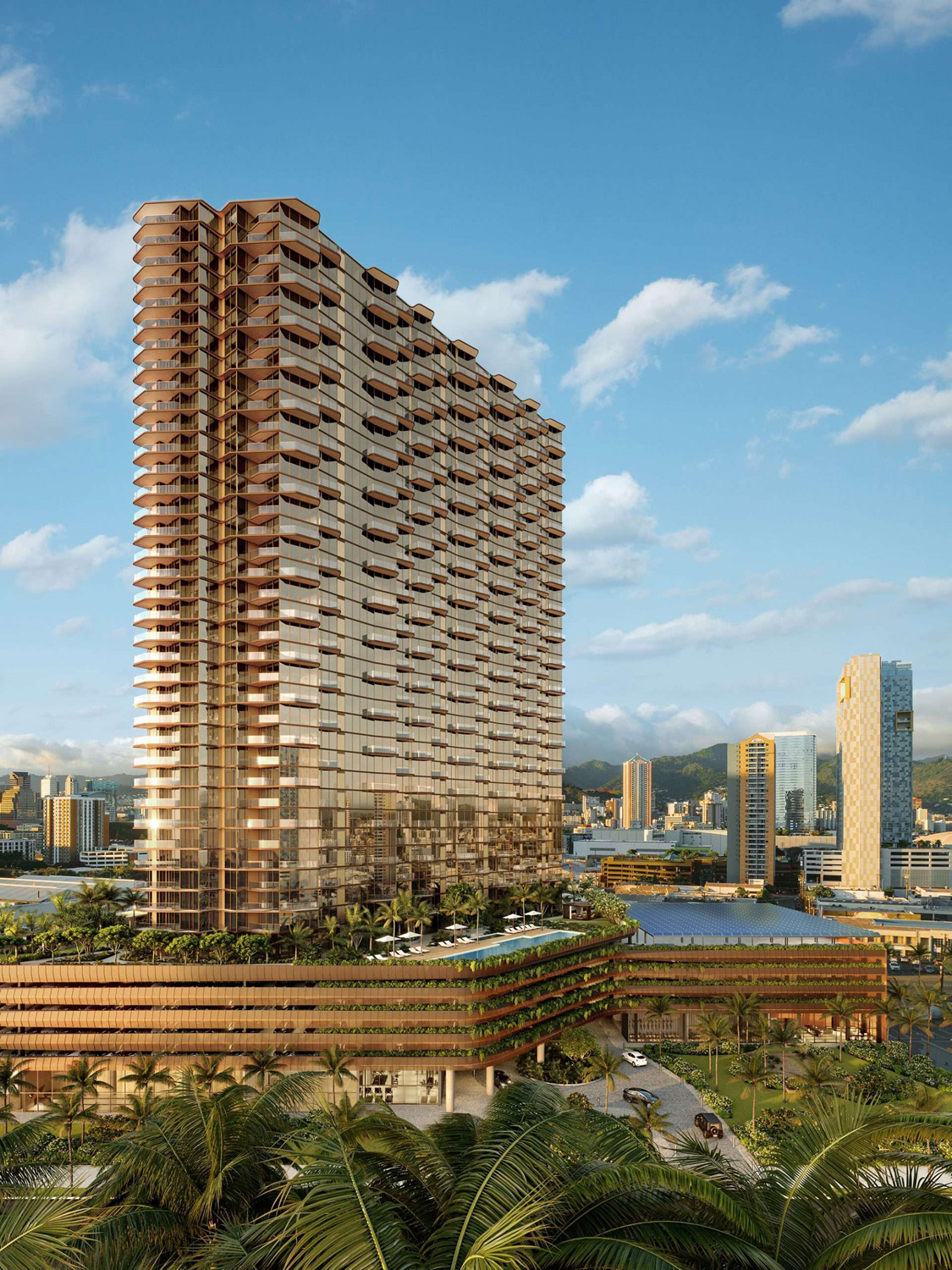
Aalii tower at Ward Village Honolulu condo neighborhood

A practical, buyer-focused look at Ward Village—how it was built, what it’s like to live here, and how to compare the towers

Ward Village Honolulu: A Buyer’s Guide to the Neighborhood, the Master Plan, and the Towers

If you are researching Ward Village, you are probably doing what many thoughtful buyers do before making a decision in Honolulu. You are trying to understand not just a building, but an entire neighborhood.

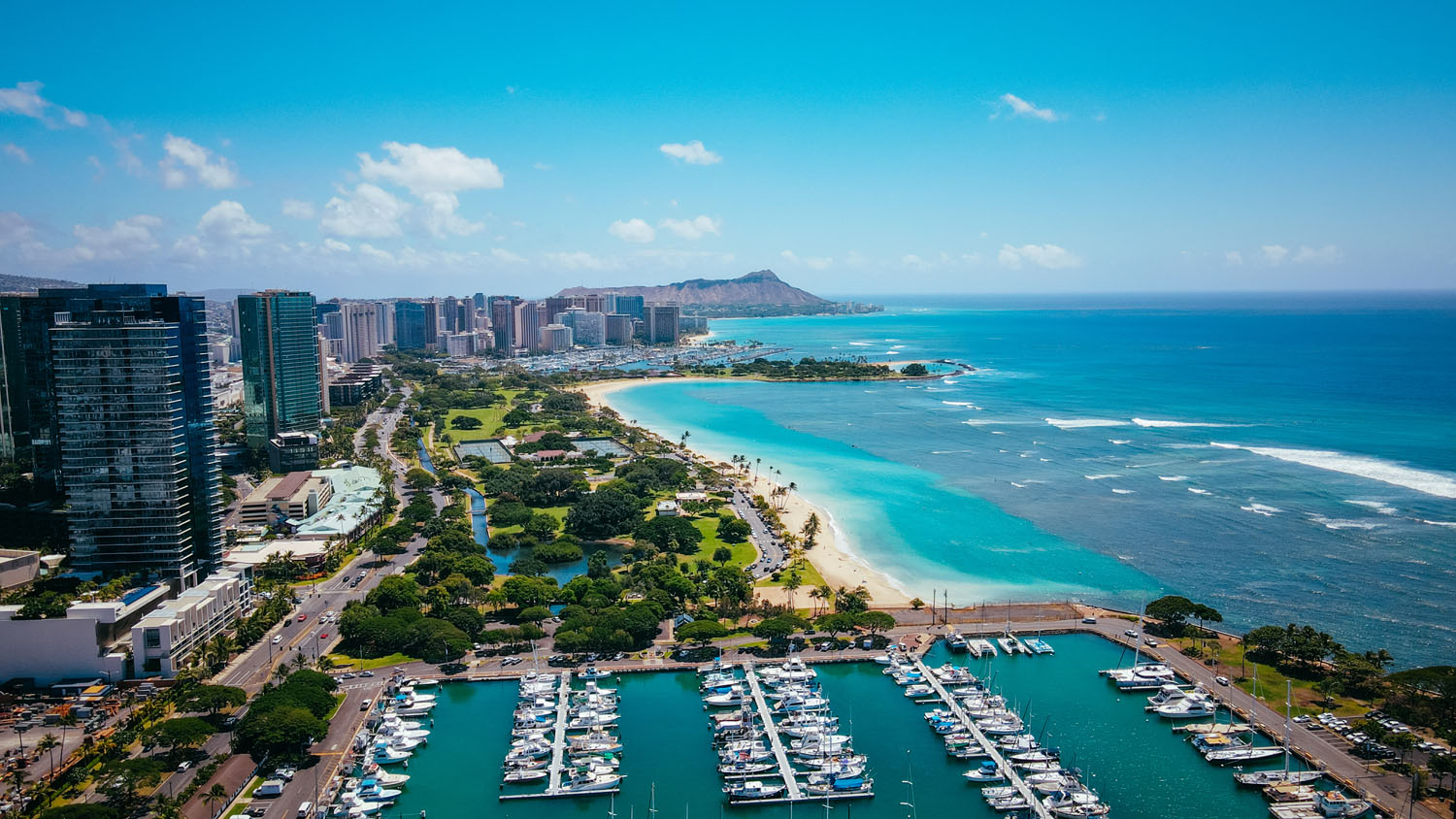
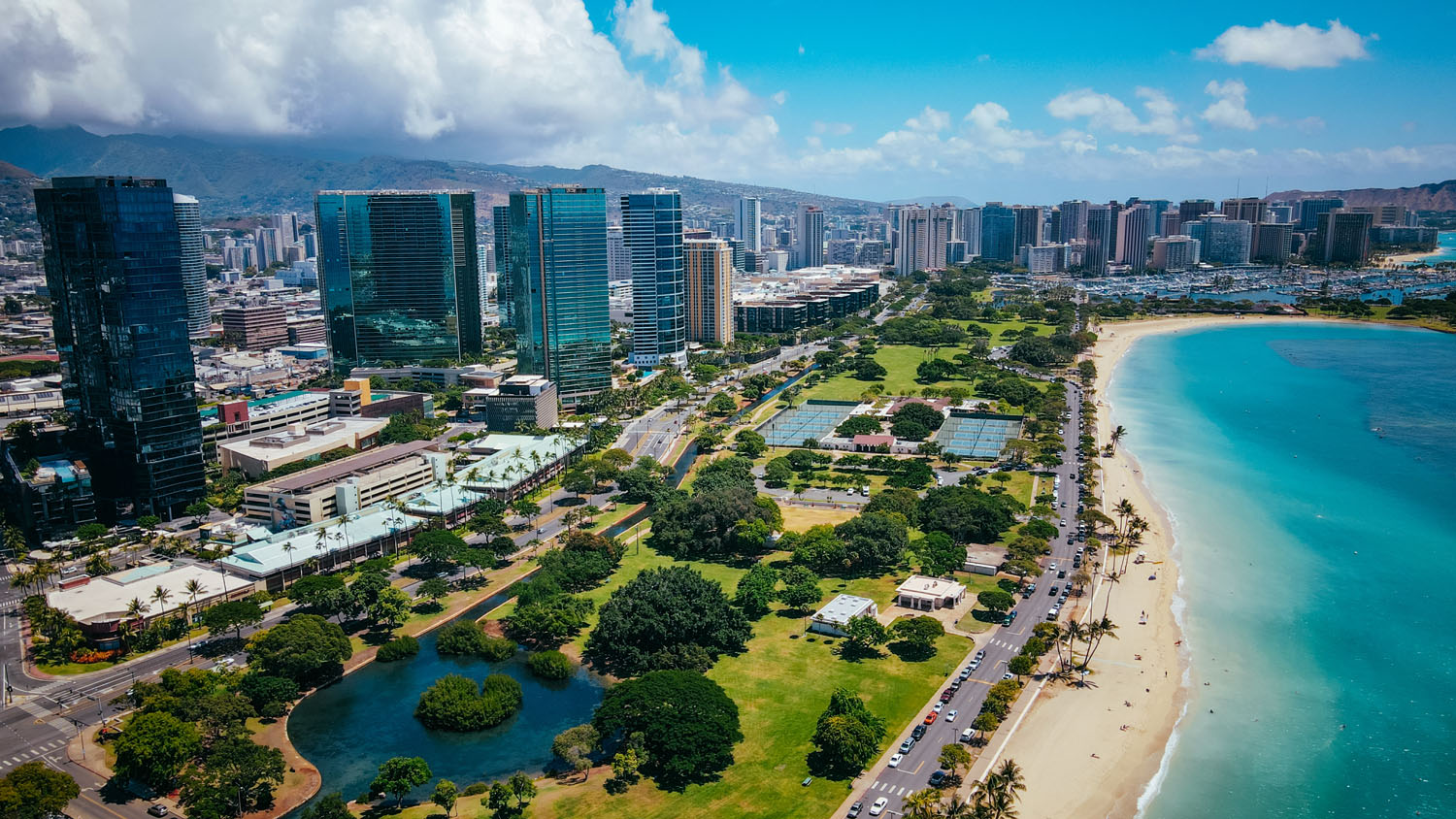
Ward Village is a 60-acre master planned community in Kakaʻako designed with a long-term vision. Residences, retail, parks, and walkable streets are integrated into a cohesive urban neighborhood. Rather than a collection of unrelated towers, it has been built in phases to function as a complete district where daily life is meant to feel easy, connected, and close to the ocean.

Having worked with many buyers exploring this area, one of the most common questions I hear is not just which building is best, but what it is actually like to live here and how the neighborhood came to be what it is today.

This guide is written for someone who wants the full picture. What Ward Village is, how the area evolved, who the Howard Hughes Corporation is, why people choose to live here, and how to think about the different towers and options.

A Brief History of Kakaʻako

Long before high-rise towers and parks, Kakaʻako was a coastal area shaped by wetlands, salt marshes, and fishponds. The name Kakaʻako is commonly translated as “to chop, beat, or prepare thatching,” a reference to the preparation of pili grass, which was traditionally used to thatch houses. The area’s natural landscape also supported salt production and fishing, both essential parts of daily life in pre-contact Hawaiʻi.

Over time, the shoreline was gradually filled, and the area transitioned into a working waterfront and industrial district. Warehouses, small businesses, and shipping-related uses defined Kakaʻako for much of the twentieth century.

That industrial past is still visible in parts of the neighborhood today, particularly in areas where warehouse buildings were later adapted into creative spaces, restaurants, and local businesses. It is part of what gives Kakaʻako its character and contrast, a mix of old and new that you do not find in many other parts of Honolulu.

The Story of Victoria Ward

The name Ward Village comes from Victoria Ward, a remarkable woman whose life and legacy shaped much of the land that now forms this neighborhood.

Victoria Ward was born in Honolulu in 1846, at a time when the city was still small and much of daily life centered near the harbor. She grew up in a respected family, was well educated, and spoke both Hawaiian and English fluently. Her family maintained close ties with the Hawaiian monarchy, and she moved within circles that included many of the most influential figures of the time.

As a young woman, she married Curtis Perry Ward, a successful businessman. Together, they built a life that combined family, land, and enterprise. Over time, through a combination of purchase and inheritance, the Ward family acquired extensive property stretching from what is now Thomas Square toward the ocean, encompassing much of present-day Kakaʻako.

Their home, known as Old Plantation, stood on land that was largely self-sufficient, with wells, gardens, fishponds, and pasture. It was both a family home and the center of a working estate, reflecting a way of life that was closely connected to the land itself.

When Curtis Perry Ward passed away unexpectedly, Victoria was left to manage the estate and raise seven daughters. At a time when few women were expected to lead large businesses or land operations, she stepped into that responsibility and successfully managed the family’s holdings, overseeing agricultural production and business activities that kept the estate thriving.

Victoria Ward was also known for her strong character and convictions. She maintained close ties with Queen Liliʻuokalani and remained deeply loyal to the Hawaiian monarchy, openly expressing her opposition to its overthrow in the 1890s.

In her later years, she helped establish a formal structure to manage the family’s lands so they could be preserved and responsibly stewarded for the future. When she passed away in 1935, she left behind not just property, but a legacy of leadership, resilience, and a deep connection to Hawaiʻi.

Today, the neighborhood that bears the Ward name continues to reflect that long history of land stewardship and careful planning, even as the area has evolved into one of Honolulu’s most modern residential communities.

Who Was Howard Hughes and Why the Developer Matters

Ward Village takes its name from the Ward family, but the modern neighborhood has been shaped by the vision of the Howard Hughes Corporation, the master developer behind the project.

Howard Hughes himself was one of the most well-known American figures of the twentieth century. Born in 1905, he was an aviator, engineer, film producer, and industrialist who became known for both his business ventures and his pioneering work in aviation. He set world airspeed records, designed advanced aircraft, and built companies in industries ranging from aerospace to film.

Later in life, Hughes also became a significant real estate investor, acquiring large land holdings in several major cities. Some of those properties eventually became the foundation of what is now the Howard Hughes Corporation, which today focuses on large-scale, master planned communities and mixed-use developments.

The Howard Hughes Corporation Today

The modern Howard Hughes Corporation specializes in developing large, long-term, master planned communities rather than individual buildings. Their projects are typically designed and built over decades, with a focus on creating cohesive neighborhoods rather than isolated structures.

Some of their best-known developments include The Woodlands in Texas, Summerlin in Las Vegas, and the redevelopment of Downtown Columbia in Maryland. These projects share a similar philosophy of long-term planning, phased development, and the creation of neighborhoods where people can live, work, and spend time in the same area.

Ward Village represents one of the company’s most significant urban projects and one of the few located in a coastal city center.

Why Hawaiʻi and Why Ward Village

The Ward area already had a long history as a retail and gathering place, and its location between Downtown Honolulu and Ala Moana made it uniquely positioned for redevelopment into a residential neighborhood. Proximity to the ocean, existing infrastructure, and the ability to plan the district as a whole rather than parcel by parcel made the site unusually well-suited for a master planned community.

For buyers, the practical takeaway is that Ward Village is being developed by a company with experience managing projects over long timelines. That often translates into a more cohesive neighborhood, carefully planned retail and public spaces, and a development strategy that unfolds in phases rather than all at once.

How Ward Village Has Evolved Over Time

The land that is now Ward Village has gone through several distinct phases, each shaping the neighborhood in different ways.

In the nineteenth century, much of the area was part of the Ward Estate, with open land, agriculture, and coastal uses that reflected the landscape of Honolulu at the time.

By the early and mid twentieth century, the shoreline had been gradually filled, and the district transitioned into a working waterfront and industrial area. Warehouses, small businesses, and shipping-related activity became common, and Kakaʻako developed a reputation as a practical, working part of the city.

In the second half of the twentieth century, parts of the Ward area were redeveloped into retail destinations, including Ward Warehouse and Ward Centre. For many longtime residents of Honolulu, this was the era when the neighborhood became a familiar gathering place for shopping, dining, and community events.

In the early 2010s, the land began its next transformation as Ward Village, a long-term master planned community designed to create a walkable, mixed-use neighborhood with residences, parks, and retail integrated together.

Since then, new residential towers, landscaped public spaces, and expanded pedestrian areas have gradually reshaped the district. The development continues to move forward in phases, with future projects planned to complete the vision of a fully realized urban coastal neighborhood.

What It Is Like to Live in Ward Village

Ward Village has a rhythm that many residents come to appreciate quickly. Daily life often includes walking to coffee, grocery stores, restaurants, or the beach path without needing to drive.

Ala Moana Beach Park and Kakaʻako Waterfront Park are both nearby. SALT and other local businesses add to the sense that this is a functioning neighborhood rather than a purely residential district.

This level of walkability is one of the primary reasons buyers choose Ward Village over other parts of Honolulu.

Ward Village Buildings at a Glance

Established and Market-Proven Towers

Reserved and Mixed-Income Residences

Under Construction and Planned Projects

As these projects are completed, they will continue shaping the neighborhood’s streetscape, retail mix, and residential options.

Understanding the Differences Between the Towers

Although the towers are geographically close, they are not interchangeable. Differences between buildings can be meaningful and often influence both lifestyle and long-term value.

Position and orientation can affect views, sun exposure, and the overall feel of a residence. Even within the same building, units on different sides can feel dramatically different.

Amenities also vary. Some buildings emphasize privacy and a more residential atmosphere, while others are designed with a more social or resort-oriented feel.

Layout and interior design philosophy differ as well. Ceiling heights, window lines, lanai usability, and kitchen configuration all contribute to how a residence feels day-to-day.

Monthly ownership costs are another important consideration. HOA dues, reserve funding, insurance impacts, and any history of special assessments should all be part of the evaluation process.

Finally, some buyers prefer completed resale residences, while others are drawn to new development. Each path has advantages depending on priorities and timeline.

What It Feels Like Day to Day

For many residents, living in Ward Village is less about any single feature and more about how daily life feels. Morning coffee within walking distance, time outdoors, errands without a car, and evenings that might include a walk along the water or dinner nearby all become part of a routine that feels easy and connected to the neighborhood.

Who Ward Village Is Best For

Ward Village is a strong fit for buyers who value walkability, modern design, and proximity to the ocean. It appeals to people who want a neighborhood environment rather than a standalone tower and who appreciate thoughtful planning and cohesive development.

Buyers seeking a more suburban setting may find other parts of Honolulu better suited to their preferences, but for an urban coastal lifestyle, Ward Village remains one of the most compelling options on Oʻahu.

How I Help Buyers Choose the Right Building

The easiest way to narrow options in Ward Village is to start with priorities. Views, privacy, layout preferences, monthly cost comfort, and day-to-day lifestyle goals all help determine which buildings are the best fit.

Once those factors are clear, the decision process becomes much simpler and far more strategic.

If you are considering Ward Village and want a clear, building-specific perspective grounded in current market behavior, I am always happy to share what I am seeing and help you navigate the options with confidence.

Lucy Heath Luxury Condos Hawaiʻi

Your Top Hawaiʻi Luxury Condo Specialist

Lucy Heath

Lucy Heath is a Real Estate Advisor at Compass and the founder of Luxury Condos Hawaiʻi, recognized for her expertise in refined condominium living in Kakaʻako and Ala Moana. She has lived in Ward Village for over six years, witnessing its transformation from the earliest stages of development into one of Honolulu's most sought-after neighborhoods.

Get in Touch
Lucy Heath - Compass Real Estate Advisor Hawaii
Posted in Buyers, Condos, Guides, Kakaako
Feb. 23, 2026

Top Parks Near Kaka'ako and Ala Moana

Kakaako Waterfront Park near Ala Moana Honolulu

Outdoor living in Kakaʻako and Ala Moana: the parks that define the lifestyle

Top Parks Near Kakaʻako and Ala Moana

Living in Kakaʻako and Ala Moana is not just about luxury condos and ocean views. One of the biggest draws of these neighborhoods is how seamlessly outdoor space is woven into everyday life. These parks are not occasional weekend destinations; they are part of the daily rhythm, whether it is a morning walk, sunset run, or a casual meet-up with friends.

If you are considering living in Kakaʻako or Ala Moana, or already call the area home, these parks truly shape the lifestyle.

Makai opening at waterfront park near Kakaako Ala Moana

Ala Moana Beach Park

Ala Moana Beach Park is the backbone of outdoor life in this part of Honolulu. Stretching along the ocean just minutes from Kakaʻako condos, it offers one of the most accessible and protected swimming beaches on Oʻahu.

Locals use this park in very different ways depending on the time of day. Early mornings bring runners, walkers, and paddleboarders. Midday is quieter, while late afternoons turn social with sunset swims, picnics, and long walks along Magic Island.

From a real estate perspective, proximity to Ala Moana Beach Park is a major value driver. Condos near the park appeal to buyers who prioritize walkability, ocean access, and an active lifestyle, rather than relying on a car for everything.

Why it matters for residents

  • Calm swimming and paddleboarding
  • Miles of walking and jogging paths
  • Sunset views year-round
  • Easy access from both Kakaʻako and Ala Moana condos

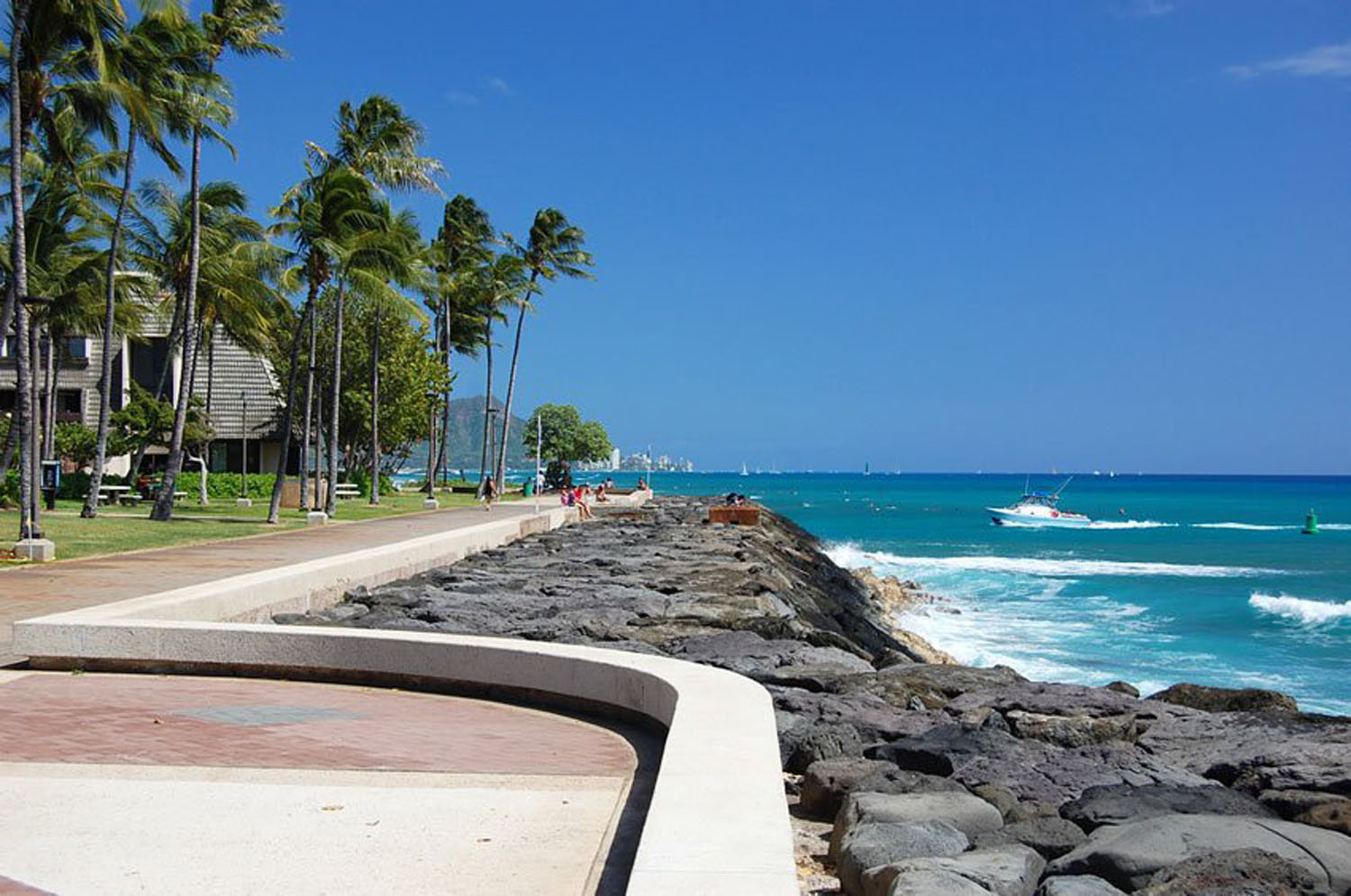
Kakaako Ala Moana waterfront park entrance view

Kakaʻako Waterfront Park

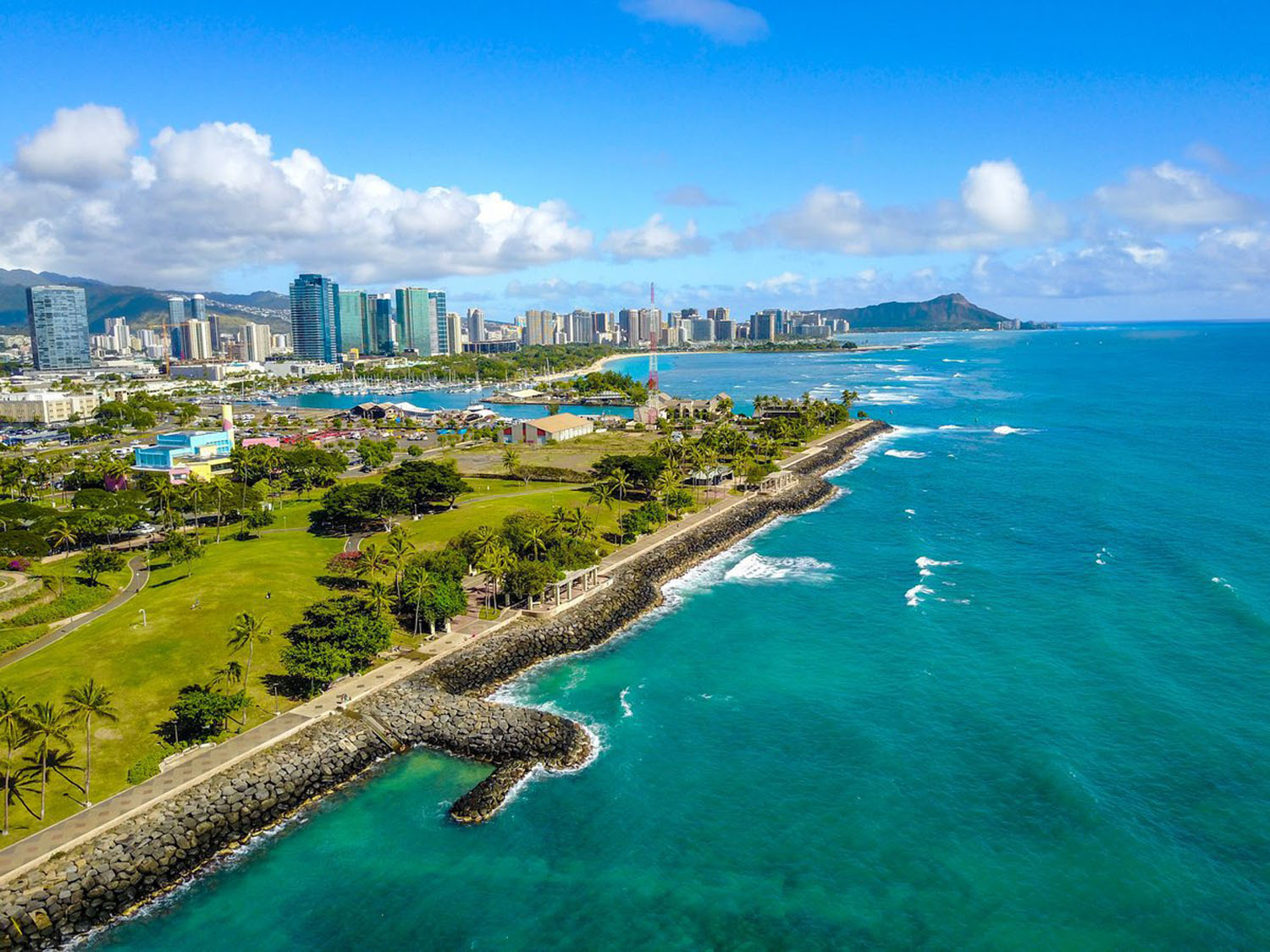
Kakaʻako Waterfront Park has a completely different energy. It is less manicured, more expansive, and feels open in a way that is increasingly rare in urban Honolulu.

This park is especially popular with residents who enjoy long walks, ocean views without crowds, and space to breathe. You will often see people training for races, practicing yoga, or simply sitting along the shoreline watching the boats come and go from Kewalo Basin.

Living nearby means having immediate access to one of the most underrated green spaces in town, something buyers often do not fully appreciate until they experience it themselves.

Why locals love it

  • Wide open oceanfront paths
  • Fewer crowds than Ala Moana Beach Park
  • Ideal for walking, jogging, and quiet downtime
  • Strong connection to the ocean without commercialization

Ka Lei Park near Kakaako and Ala Moana

Ward Village Parks and Green Spaces

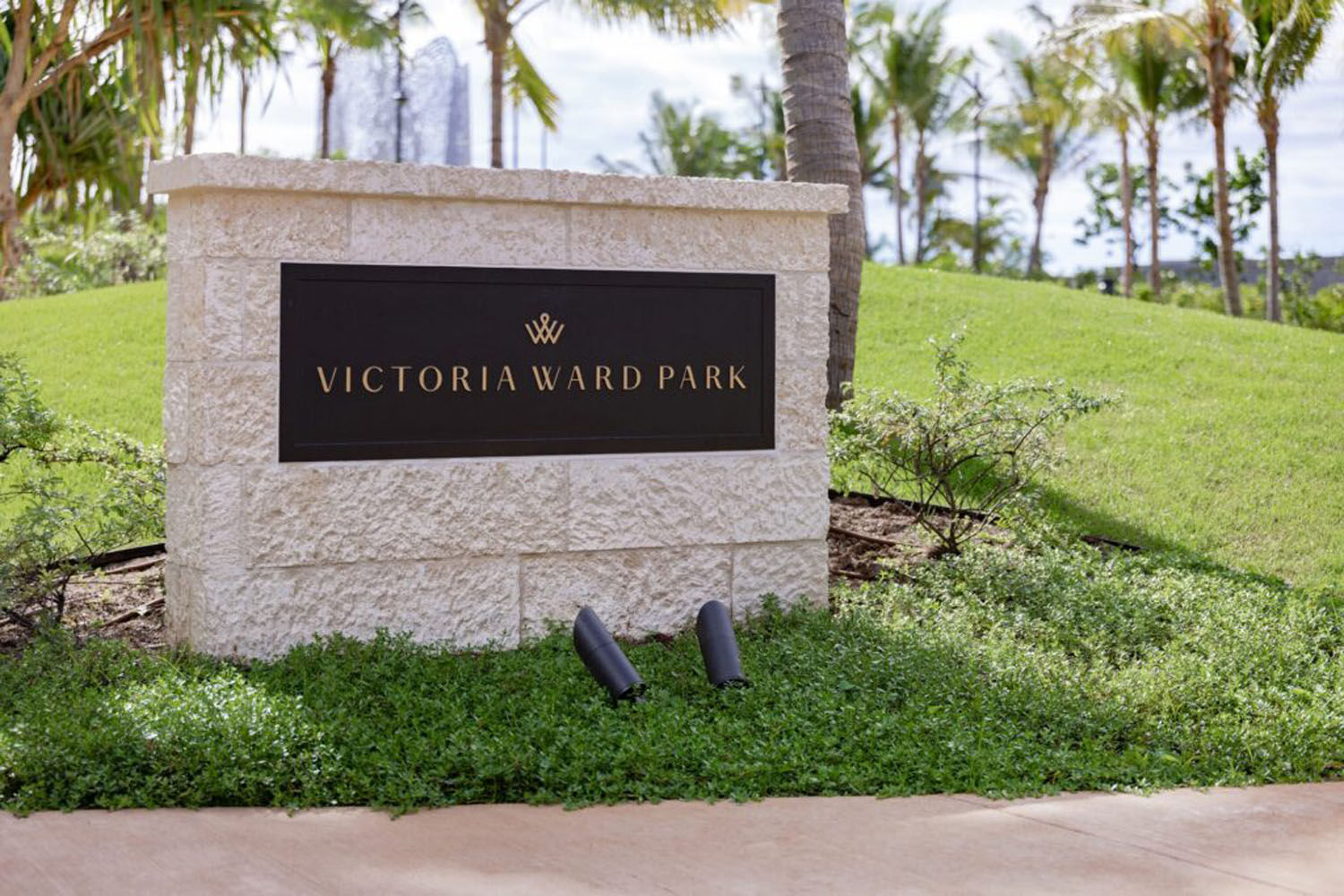
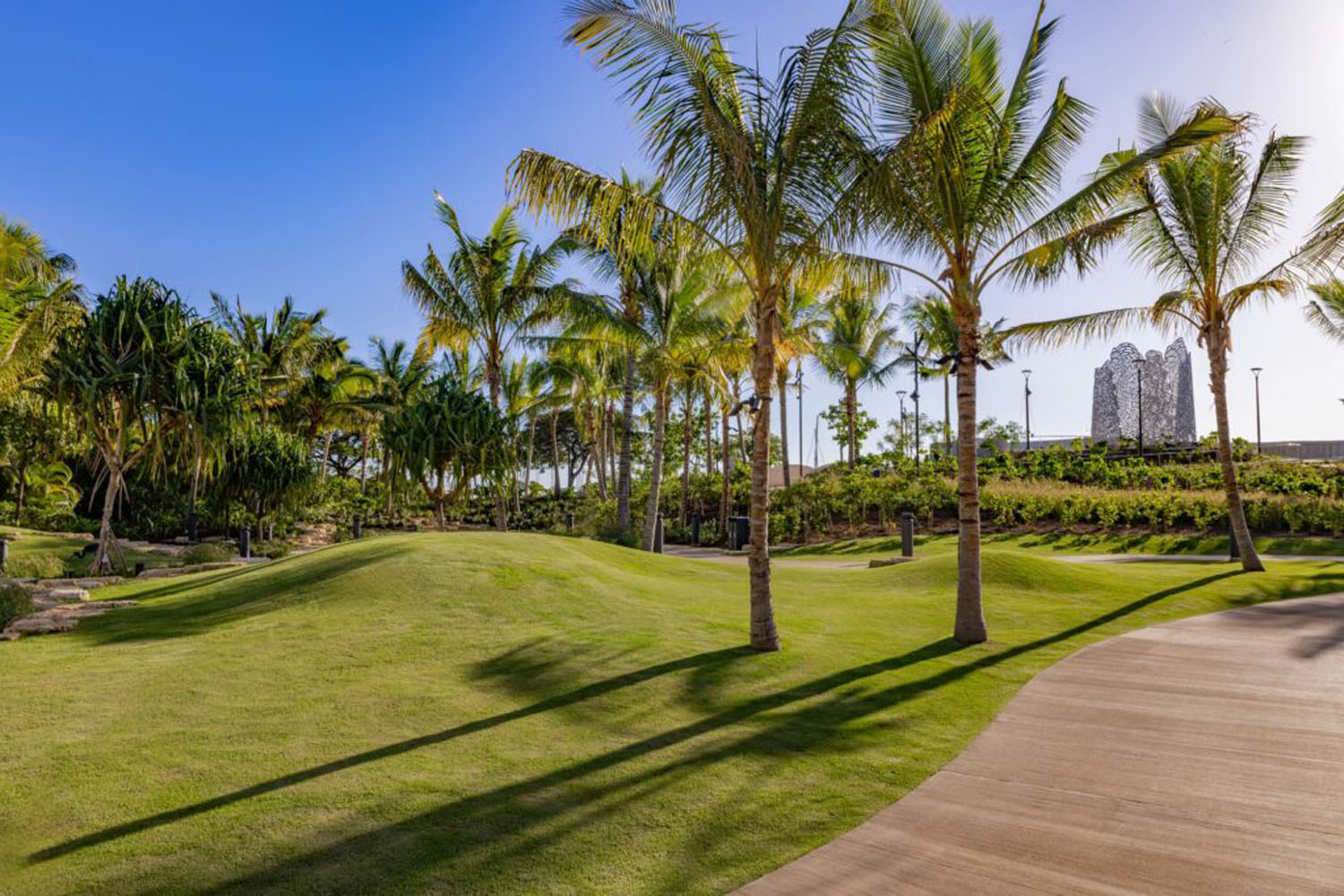
Within Ward Village, green space is thoughtfully incorporated into the neighborhood, with Victoria Ward Park serving as the central public park.

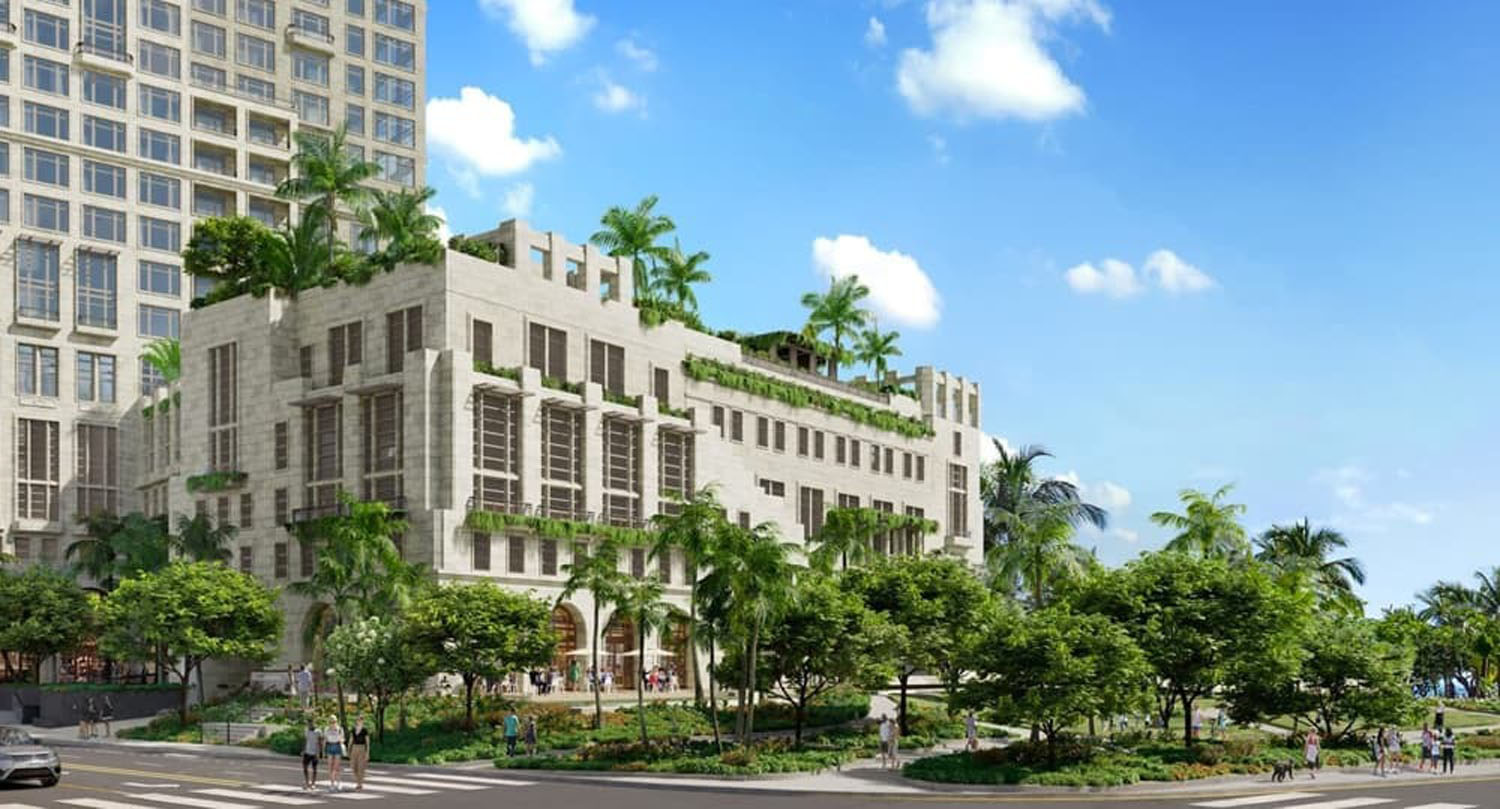
Victoria Ward Park is located on either side of 1020 Auahi Street, creating a green corridor through the heart of Ward Village. Several residential buildings have direct access to the park or park-facing views, including Victoria Place, Koula, The Park Ward Village, and Kalae. For many buyers, this direct relationship to green space is a key factor when comparing buildings within Ward Village.

Adjacent to Melia, a new public park, Ka Lei Park, is planned, adding significantopen space to this side of the neighborhood.

Ka Lei Park will offer more than 36,000 square feet of outdoor area, designed to support both everyday use and community gathering. Planned features include grass lawns, landscaped walkways, shaded seating areas, and a dedicated children’s play area. The park will be located west of the current Ward Centre, at the corner of Kamakee Street and Ala Moana Boulevard.

Beyond these formal parks, Ward Village also includes a network of landscaped promenades, pedestrian paths, and courtyards that connect residential towers with retail and dining. While these areas are not standalone parks, they play an important role in daily life and contribute to the walkability that defines the neighborhood.

For buyers considering Ward Village condos, proximity to Victoria Ward Park and the future Ka Lei Park is a meaningful differentiator. Park adjacency and park-facing views tend to influence lifestyle appeal, long-term desirability, and value within a highly planned urban community like Ward Village.

Victoria Ward Park Makai near Kakaako Ala Moana Victoria Ward Park green space near Kakaako Ala Moana

Kewalo Basin Harbor Area

While not a traditional park, the green areas surrounding Kewalo Basin Harbor deserve a mention. This area blends marina life with open space, offering a unique coastal atmosphere that feels both active and relaxed.

It is especially popular with residents who enjoy boating, walking along the water, or simply watching the harbor activity during golden hour.

Victoria Ward Park near Kakaako and Ala Moana

Why Parks Matter When Choosing a Condo in Kakaʻako or Ala Moana

Access to parks is not just a lifestyle perk. It directly influences property value, rental demand, and long-term desirability. Buyers consistently prioritize walkability, outdoor access, and proximity to green space when choosing condos in Kakaʻako and Ala Moana.

Whether it is sunrise runs at Ala Moana Beach Park or quiet evenings at Kakaʻako Waterfront Park, these spaces shape how people actually live here day to day.

If you are exploring condos in Kakaʻako or Ala Moana and want to understand how location, park access, and lifestyle intersect, I am always happy to walk you through what matters most, both on paper and in real life.

Top parks near Kakaako and Ala Moana

Your Top Hawaiʻi Luxury Condo Specialist

Lucy Heath

Lucy Heath is a Real Estate Advisor at Compass and the founder of Luxury Condos Hawaiʻi, recognized for her expertise in refined condominium living in Kakaʻako and Ala Moana. She has lived in Ward Village for over six years, witnessing its transformation from the earliest stages of development into one of Honolulu's most sought-after neighborhoods.
Get in Touch
Lucy Heath - Compass Real Estate Advisor Hawaii
Posted in Buyers, Condos, Guides, Kakaako
Feb. 20, 2026

Ultimate Guide to Kaka'ako and Ala Moana

Kalae condos for sale near Victoria Ward Park Kakaako

A practical, building-by-building resource for living and buying in Honolulu’s urban core

Living, Lifestyle, and Luxury Condominium Real Estate in Honolulu’s Urban Core

Kakaʻako and Ala Moana sit at the center of Honolulu’s urban coastline, offering a lifestyle that blends city energy with immediate access to the ocean, parks, dining, and daily conveniences. Over the past two decades, these neighborhoods have become two of the most sought-after areas for condominium living on Oʻahu, particularly among buyers seeking walkability, modern residences, and a highly connected way of life.

This guide is designed as a long-term resource for anyone exploring Kakaʻako and Ala Moana, whether you are relocating, investing, or simply trying to understand how these neighborhoods function day to day. It provides context on lifestyle, neighborhood character, and how the luxury condominium market works, with a particular focus on what varies from building to building and why those differences matter.

Where Kakaʻako and Ala Moana Are Located

Kakaʻako and Ala Moana occupy a central stretch of Honolulu between Waikīkī and the downtown business district. Ala Moana lies closest to Waikīkī and is anchored by Ala Moana Beach Park and Ala Moana Center, while Kakaʻako sits just east of Ala Moana and extends toward downtown Honolulu.

This location places residents within minutes of beaches, shopping, dining, medical facilities, and major employment centers. For many buyers, this central positioning is one of the strongest draws, allowing daily life to unfold without long commutes or heavy reliance on driving.

A Brief History of Kakaʻako and Ala Moana

Understanding the history of Kakaʻako and Ala Moana adds important context to how these neighborhoods function today and why they feel distinct despite their close proximity.

The Origins of Kakaʻako

Long before high-rise residences and master-planned developments, Kakaʻako was an important coastal plain used by Native Hawaiians for fishing, salt production, and gathering. The area’s proximity to the ocean made it well suited for salt ponds, which were historically used to produce paʻakai, an essential resource for food preservation, trade, and daily life in Hawaiʻi.

The name Kakaʻako is commonly understood to reference a rocky or rough shoreline, reflecting the area’s natural coastal landscape prior to development. This shoreline character influenced how the land was used for generations before urbanization began.

In the late 19th and early 20th centuries, Kakaʻako transitioned into an industrial and commercial zone as Honolulu expanded. Warehouses, repair yards, and light industrial uses became common, shaping the area into a working district that supported the growing city rather than a residential neighborhood. For decades, Kakaʻako remained largely utilitarian, defined by wide streets, low-rise structures, and limited public access to the waterfront.

The modern transformation of Kakaʻako began in earnest in the early 2000s, driven by long-term urban planning initiatives aimed at reconnecting Honolulu’s urban core to the ocean. Through coordinated development, infrastructure investment, and the creation of public parks and walkable streets, Kakaʻako evolved into a mixed-use neighborhood that integrates residential living, public spaces, retail, and dining. Today’s Kakaʻako reflects this layered history, blending cultural roots, industrial legacy, and contemporary urban design.

The Meaning and Development of Ala Moana

Ala Moana translates to “path to the sea,” a name that reflects the area’s historical role as a coastal corridor connecting inland communities to the ocean. Prior to large-scale development, the area consisted of wetlands and shoreline landscapes that were gradually reshaped as Honolulu expanded westward.

Ala Moana’s modern identity took shape in the mid-20th century with the creation of Ala Moana Beach Park and the development of Ala Moana Center. These projects established the neighborhood as a central destination for recreation, shopping, and residential living. Over time, Ala Moana became one of Honolulu’s most established areas for condominium ownership, offering direct beach access alongside urban conveniences.

Together, Kakaʻako and Ala Moana illustrate different chapters of Honolulu’s growth, from traditional coastal use to industrial support zones to today’s highly livable urban neighborhoods. Their histories continue to influence how each area feels, functions, and is experienced day to day.

Why Buyers Choose Kakaʻako and Ala Moana

Lifestyle and Daily Living

One of the primary reasons buyers are drawn to Kakaʻako and Ala Moana is the ability to integrate everyday activities into a compact, walkable area. Beaches, parks, grocery stores, coffee shops, fitness studios, and restaurants are often accessible within a short walk. This creates a daily rhythm that feels efficient and connected.

Amenity-Focused Living With Reduced Upkeep

Luxury condominium living appeals to buyers who want access to amenities and professional building management without the maintenance responsibilities of a single-family home. Shared spaces such as pools, fitness centers, lounges, and outdoor gathering areas allow owners to enjoy a full lifestyle with less hands-on upkeep.

Long-Term Appeal of Central Urban Locations

Kakaʻako and Ala Moana have consistently attracted buyer interest due to their location, infrastructure, and range of housing options. While market conditions fluctuate, these neighborhoods remain central to Honolulu’s long-term urban planning and residential demand.

Why Kakaʻako and Ala Moana Are So Well Known

Kakaʻako and Ala Moana have become two of Honolulu’s most recognizable neighborhoods because they sit at the intersection of location, lifestyle, and long-term urban planning. Their reputation is not based on a single attraction, but on how consistently they deliver a high-quality day-to-day living experience.

Central Location Within Honolulu

Both neighborhoods occupy a rare position between Waikīkī and downtown Honolulu, placing residents close to beaches, employment centers, dining, healthcare, and retail. This centrality allows people to live without feeling isolated or overly dependent on long commutes, which is a defining advantage in Honolulu.

Direct Access to the Ocean and Public Spaces

Ala Moana Beach Park and Kakaʻako Waterfront Park are among the most heavily used and beloved public spaces on Oʻahu. The ability to walk from home to the beach, park, or waterfront path is a major reason these neighborhoods are so desirable. Few urban areas offer this level of access to open space alongside dense residential living.

Thoughtful Urban Development

Kakaʻako, in particular, is known for its master-planned approach to urban growth. Residential towers are integrated with parks, retail, dining, and pedestrian-friendly streets rather than existing as isolated buildings. This planning has helped create a neighborhood that feels cohesive and livable rather than purely vertical.

Ala Moana’s development occurred earlier, but it remains one of Honolulu’s most established condominium districts, offering a mix of older and newer buildings anchored by long-standing infrastructure such as Ala Moana Center and the beach park.

Lifestyle That Balances Energy and Ease

Kakaʻako and Ala Moana are active without feeling overwhelming. Residents can participate in a vibrant dining and cultural scene while still enjoying quiet mornings, outdoor exercise, and a sense of routine. This balance is a key reason the neighborhoods appeal to full-time residents, part-time residents, and those relocating from major cities.

Long-Term Recognition and Demand

Over time, these neighborhoods have earned a reputation for consistency. While individual buildings and market conditions change, Kakaʻako and Ala Moana continue to attract interest due to their location, infrastructure, and range of housing options. This sustained demand has made them some of the most talked-about and sought-after areas for condominium living in Honolulu.

Weather and Climate in Kakaʻako and Ala Moana

Kakaʻako and Ala Moana benefit from Honolulu’s year-round tropical climate, with relatively consistent temperatures and cooling trade winds that shape daily life in these coastal neighborhoods.

Average daytime temperatures typically range from the mid-70s to mid-80s throughout the year, with slightly warmer conditions in the summer months and cooler evenings during the winter. Because both neighborhoods sit along the coast, ocean breezes help moderate heat and contribute to a generally comfortable outdoor environment.

Rainfall in Kakaʻako and Ala Moana is lower than in many windward or mauka areas of Oʻahu. These neighborhoods sit on the leeward side of the island and typically receive approximately 15 to 20 inches of rain per year, compared with significantly higher totals in windward communities.

The wetter season generally runs from November through March, when passing showers are more common, while the drier months from April through October tend to see longer stretches of clear weather. Even during the wetter months, rainfall is often brief and localized rather than sustained.

Trade winds, which are more prevalent from late spring through early fall, can influence how individual units feel depending on orientation and elevation. Residences with good cross-ventilation may experience reduced reliance on air conditioning, while higher floors often benefit from stronger airflow and clearer skies.

Climate considerations also play a role in building design and lifestyle. Covered lanais, shaded amenity decks, operable windows, and indoor-outdoor common spaces are common features in many luxury buildings, reflecting the expectation that residents will spend time outside year-round.

Understanding local weather patterns and rainfall averages can be helpful when comparing unit orientation, view corridors, lanai usability, and overall comfort, particularly for buyers relocating from outside Hawaiʻi.

Best Time of Year to Be in Kakaʻako and Ala Moana

Kakaʻako and Ala Moana are enjoyable year-round, but many residents find that late spring through early fall offers the most consistently dry and breezy conditions. From April through October, rainfall tends to be lower, days are longer, and trade winds help keep temperatures comfortable, making this period ideal for beach time, outdoor dining, and walking the neighborhoods.

The winter months, generally from December through March, do see increased rainfall compared to the rest of the year. Showers are typically brief and intermittent rather than all-day rain, and temperatures remain warm, often in the 70s during the day. Even during this wetter season, outdoor activities remain very much part of daily life, and many residents appreciate the slightly cooler evenings and greener landscapes.

Because temperatures stay relatively stable throughout the year, the best time to be in Kakaʻako or Ala Moana often comes down to personal preference around rainfall, trade winds, and seasonal activity rather than weather limitations.

Things to Do, Attractions, and More in Kakaʻako and Ala Moana

One of the defining characteristics of Kakaʻako and Ala Moana is how seamlessly daily living blends with recreation, dining, and cultural experiences. Rather than feeling separated into residential and entertainment zones, these neighborhoods allow residents to move easily between work, leisure, and outdoor time.

Dining, Coffee, and Everyday Favorites in Kakaʻako

One of the true joys of living in Kakaʻako is the food. Whether you are craving local comfort dishes, modern Hawaiian fusion, or a perfectly made cappuccino, the neighborhood offers a dining scene that feels both elevated and approachable. With open-air seating, walkability between destinations, and a steady rotation of food events and pop-ups, dining in Kakaʻako is woven into everyday life.

Neighborhood standouts include:

offers an intimate, design-forward fine-dining experience with a seasonal tasting menu rooted in local ingredients. It is a favorite among those who appreciate thoughtful, chef-driven cuisine.

pairs a creative cocktail program with a multi-course dining experience in a sleek, intimate setting. It is well suited for evenings that feel intentional and refined.

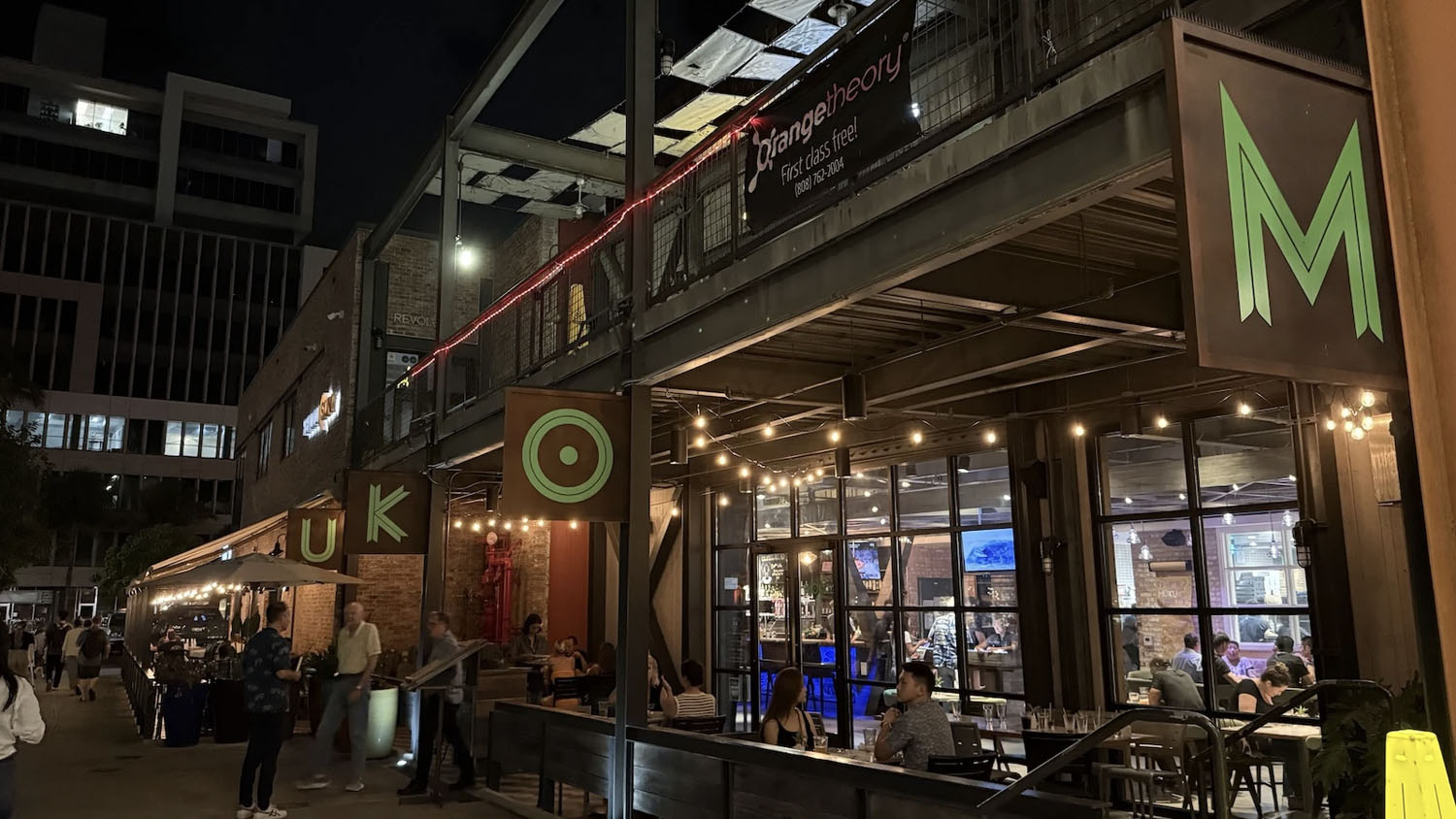
, located at the base of Anaha, brings a farm-to-table approach to fine dining with an elegant island sensibility. It is a popular choice for celebrations and special occasions.

is a quietly beloved Italian restaurant known for handmade pasta, rotating specials, and a warm, understated atmosphere that lends itself well to date nights or relaxed dinners.

delivers Turkish and Mediterranean cuisine in a stylish, welcoming setting. Shared plates, cocktails, and ocean views make it a consistent neighborhood favorite.

Coffee in Kakaʻako

Kakaʻako’s coffee scene reflects the neighborhood itself, creative, relaxed, and community-oriented. Cafés here often double as informal meeting spaces and remote work spots.

, located within SALT, channels an Australian café culture with beautifully prepared espresso drinks, minimalist interiors, and consistently lively energy.

is known for its inventive signature drinks, open layout, and strong design sensibility, making it a popular stop for both workdays and weekends.

, situated in Ward Village, combines a gourmet market atmosphere with expertly crafted coffee and light bites, offering a refined start to the day.

Casual Dining and Takeout in Kakaʻako

For everyday meals, Kakaʻako offers a wide range of casual options that balance quality and convenience.

in SALT is a go-to for happy hour, brunch, and casual dinners, with a menu focused on locally sourced ingredients and wood-fired flavors.

provides a lively brewery setting with indoor and outdoor seating, local beers, and approachable comfort food, making it ideal for group gatherings.

is a dependable option for flavorful, no-frills Thai dishes that work well for quick lunches or takeout.

is known for fresh poke, sashimi, and local-style seafood plates, making it a popular choice for an efficient, high-quality meal.

focuses on smoothies, bowls, wraps, and fresh salads, appealing to those looking for lighter, health-forward options.

Dining, Coffee, and Everyday Favorites in Ala Moana

Ala Moana’s dining scene is refined, diverse, and deeply integrated into daily life, shaped by long-standing restaurants, destination dining within Ala Moana Center, and neighborhood favorites just beyond it. The emphasis here is on quality, consistency, and accessibility rather than trend-driven concepts.

Restaurants in Ala Moana

offers a traditional, high-level omakase experience with a focus on precision, seasonality, and restraint. It is a destination for those who appreciate classical sushi craftsmanship in an intimate setting.

is known for its meticulous tempura courses, highlighting technique and ingredient quality. The experience is quiet, focused, and well suited for diners who value Japanese culinary tradition.

delivers a polished dining experience with a menu that balances refinement and approachability. It is often chosen for relaxed dinners that still feel elevated.

specializes in premium wagyu shabu-shabu, offering a dining experience centered on high-quality ingredients and a communal, unhurried pace.

Casual Dining in Ala Moana

For everyday meals, Ala Moana provides a strong lineup of casual options that are dependable and well suited to regular routines.

is a favorite for ramen and noodles, known for rich broths and consistent execution.

offers comforting Japanese dishes in a relaxed setting, making it a popular choice for casual dinners and takeout.

focuses on traditional Korean comfort food with a straightforward, no-frills approach that emphasizes flavor and authenticity.

, located within Ala Moana Center, provides a light-filled dining environment with a menu that works well for brunch, lunch, or an easy mid-day meal.

Coffee in Ala Moana

Coffee culture in Ala Moana is woven into daily routines, with cafés that serve as convenient stops before work, after beach time, or between errands.

is a long-standing favorite known for its European-style café atmosphere and loyal local following.

blends high-quality espresso drinks with island-inspired flavors, making it a popular stop for both residents and visitors.

focuses on locally roasted coffee and approachable café environments, well suited for both quick stops and longer stays.

offers a relaxed setting with coffee, light bites, and seating that works well for casual meetings or downtime.

Together, the dining and coffee scenes in Kakaʻako and Ala Moana complement one another, offering residents variety without requiring travel across the city.

Easy Day Trips From Kakaʻako and Ala Moana

Another advantage of living in Kakaʻako or Ala Moana is how easily residents can access other parts of Oʻahu for day trips while still returning home to a central, urban base.

The North Shore is approximately a 45- to 60-minute drive, depending on traffic, and offers a dramatically different pace. Known for its expansive beaches, surf culture, and small town feel, the North Shore is a popular destination for weekend mornings, winter surf watching, and casual dining stops in Haleʻiwa.

Kailua and Lanikai, located on the windward side of the island, are also easy day trips from town. These areas are known for their turquoise water, wide beaches, and residential neighborhoods. Many residents enjoy heading to Kailua for beach time, kayaking, or lunch before returning to Kakaʻako or Ala Moana later in the day.

Other common day trips include hiking in Mānoa or Māʻili, exploring the east side coastline toward Makapuʻu, or spending time on the west side beaches during calmer summer months. Because Kakaʻako and Ala Moana sit near major arterial routes, accessing different parts of the island is relatively straightforward.

For many residents, this flexibility is a key benefit. It allows for variety and exploration without sacrificing the convenience and connectivity of urban living.

Understanding the Scale of the Condominium Market

Between Kakaʻako and Ala Moana, there are nearly 100 condominium buildings, approximately 46 in Kakaʻako and 49 in Ala Moana. These buildings vary widely in age, size, ownership structure, monthly fees, amenities, and overall living experience.

At first glance, the number of options can feel overwhelming. In practice, most buyers narrow their focus quickly once priorities are defined. Factors such as total monthly costs, preferred level of amenities, building density, layout size, and long-term livability tend to reduce the field from dozens of buildings to a small, manageable shortlist.

The goal is not to see every building. It is to identify the ones that align with how you want to live, both now and over time.

Types of Luxury Condominium Living in Kakaʻako and Ala Moana

While every building is unique, most luxury condominiums in these neighborhoods fall into a few broad categories.

High-Amenity, Newer Towers

These buildings emphasize shared amenities and services. Residents often enjoy pools, fitness centers, lounges, entertainment areas, and concierge-style services. Interiors tend to be contemporary, with efficient layouts and strong connections to views and outdoor spaces.

Examples include Victoria Place and Kōʻula.

Established Luxury Buildings

Established luxury buildings typically offer larger residences and more generous layouts. While amenities may be more streamlined compared to newer towers, these buildings often appeal to buyers who value interior space, privacy, and a more settled residential atmosphere.

Examples include Waiea and Anaha.

Boutique or Lower-Density Buildings

Boutique or lower-density properties feature fewer residences and a quieter overall feel. These buildings often attract buyers who prioritize privacy and space while still wanting proximity to shopping, dining, and beach access.

A notable example is Park Lane.

Entry-Level and Higher-Tier Luxury Options

Within the luxury category, price points and experiences vary. Some buildings offer a more accessible entry into newer developments, while others emphasize scale, exclusivity, or specific lifestyle features.

Examples include Aʻeo and Aʻaliʻi.

Once buyers identify which category best fits their priorities, comparisons become far more focused and effective.

Buying a Luxury Condo in Kakaʻako and Ala Moana

Purchasing a luxury condominium in Kakaʻako or Ala Moana is fundamentally different from buying a single-family home and even from purchasing a condominium in other parts of Oʻahu. These neighborhoods are highly urban, dense, and diverse at the building level, with meaningful differences that directly affect daily living, long-term satisfaction, and overall cost of ownership.

Rather than a one-size-fits-all market, Kakaʻako and Ala Moana require a more thoughtful, building-by-building approach. Understanding how ownership structure, fees, governance, and design vary across properties allows buyers to move forward with clarity instead of relying solely on price, square footage, or marketing materials.

Total Cost of Ownership

The purchase price of a condominium is only one component of what it actually costs to own. In Kakaʻako and Ala Moana, evaluating total monthly and annual carrying costs is essential, as these can vary significantly from building to building.

Typical ownership costs include mortgage payments, property taxes, HOA or maintenance fees, insurance, utilities not covered by the association, and potential special assessments. In newer luxury towers, HOA fees may reflect extensive shared amenities, on-site staff, and long-term reserve planning. In more established buildings, fees may be lower or structured differently, but buyers should still understand how reserves are funded and maintained.

Comparing total monthly costs across buildings often provides more useful insight than comparing list prices alone, particularly when deciding between newer high-amenity towers and established luxury properties.

Fee Simple and Leasehold Ownership

In Hawaiʻi, condominiums may be owned as either fee simple or leasehold, and the distinction has meaningful implications.

Most condominium units in Kakaʻako and Ala Moana are fee simple, meaning the owner holds title to both the unit and an undivided interest in the underlying land. This ownership structure is generally preferred by buyers and lenders due to its long-term stability and financing flexibility.

A smaller number of buildings and individual units remain leasehold, where the unit is owned but the land is leased for a defined period. Leasehold ownership introduces additional considerations related to financing availability, resale value, lease terms, and future land renegotiations. Ownership type should always be confirmed early in the process so it can be evaluated in the context of your goals, timeline, and comfort level.

Building Age, Design, and Layout

Luxury condominium buildings in Kakaʻako and Ala Moana span multiple development cycles, and age alone does not determine quality or desirability. Newer buildings often emphasize contemporary finishes, efficient layouts, and shared amenities, while established buildings may offer larger interior spaces, higher ceilings, or design features that are difficult to replicate today.

Buyers commonly compare factors such as natural light, unit orientation, privacy, lanai size and usability, storage, ceiling height, and overall floor plan flow. How a residence lives on a day-to-day basis often matters more than raw square footage, particularly in high-rise environments.

HOA Financial Health and Governance

Reviewing homeowners association materials is a critical part of the due diligence process. These documents provide insight into how a building is managed and how future expenses are anticipated and handled.

Commonly reviewed materials include operating budgets, reserve studies, insurance policies, meeting minutes, and disclosures regarding upcoming maintenance or capital projects. A well-managed association with adequate reserves can reduce the likelihood of unexpected assessments and provide greater long-term predictability for owners.

Rules, Restrictions, and Lifestyle Fit

Each condominium building operates under its own set of bylaws, house rules, and policies that shape daily life. These rules can affect pet ownership, parking arrangements, renovation guidelines, use of common areas, and rental restrictions.

Buyers should review these rules carefully to ensure alignment with their intended use of the property, whether that includes full-time living, part-time occupancy, or long-term rental considerations. Assumptions about flexibility can lead to frustration if expectations are not aligned with building policies.

Amenities and How They Impact Daily Living

Amenities are often a defining feature of luxury condominium living in Kakaʻako and Ala Moana, but their value varies significantly depending on how they are designed, maintained, and actually used.

Newer luxury towers tend to emphasize expansive amenity decks that may include resort-style pools, fitness centers, yoga or movement studios, spas, saunas, steam rooms, private dining rooms, lounges, theater rooms, guest suites, and outdoor gathering spaces. In some buildings, amenities are designed to support daily routines such as working from home, exercising without leaving the property, or hosting visitors.

Established luxury buildings often offer a more streamlined amenity approach. While they may not have the same volume of shared spaces, these buildings frequently appeal to buyers who prioritize larger residences, privacy, and quieter common areas over extensive amenity programming.

When evaluating amenities, buyers should consider not only what is offered, but how those amenities function in practice. Factors such as the number of residences sharing the amenities, reservation policies, staffing, maintenance standards, and long-term operating costs all influence the experience.

It is also important to understand how amenities are reflected in monthly fees. Buildings with extensive amenity offerings typically carry higher HOA fees to support staffing, utilities, and long-term maintenance. For some buyers, this tradeoff makes sense as it replaces external gym memberships or club access. For others, a simpler amenity package may better align with their lifestyle and cost preferences.

Rather than viewing amenities as a checklist, the most effective approach is to assess whether a building’s amenities genuinely support how you live day to day.

Neighborhood and Block-Level Considerations

Even within the same neighborhood, the experience of living in a particular building can vary based on its immediate surroundings. Proximity to the beach, parks, retail, and dining, as well as nearby development activity, traffic patterns, and street-level energy, all influence daily living.

Visiting a building and its surrounding area at different times of day can provide valuable perspective that is not always apparent during a single showing.

How Buyers Typically Narrow Their Options

With nearly 100 condominium buildings across Kakaʻako and Ala Moana, the most effective approach is not to view everything, but to narrow the field intentionally. Once price range, preferred lifestyle, amenity expectations, and ownership structure are defined, the universe of options usually shrinks quickly.

From there, side-by-side comparisons of a focused group of buildings allow buyers to evaluate meaningful differences in layout, costs, governance, and overall livability. This process tends to create clarity and confidence, reducing decision fatigue and helping buyers move forward with intention.

Common Buyer Oversights

Buyers new to the Kakaʻako and Ala Moana market often encounter similar challenges. These include comparing list prices without evaluating total monthly costs, overlooking HOA reserves and upcoming projects, confusing fee simple and leasehold ownership, assuming rental flexibility without confirming the rules, and relying on a single visit to assess a building or surrounding area.

When Kakaʻako or Ala Moana May Be a Good Fit

This style of living often aligns well with buyers who value a centrally located, urban environment with shared amenities and professional management. It may be less suitable for those who strongly prefer land ownership, a private yard, or minimizing recurring monthly costs.

Where to Stay When Visiting Kakaʻako and Ala Moana

For buyers and visitors who want to experience Kakaʻako and Ala Moana before committing to a purchase, staying nearby provides valuable context for how the neighborhoods feel day to day. While there are limited hotel options directly within Kakaʻako, several well-established luxury hotels in the adjacent Waikīkī area offer convenient access while maintaining a high standard of service and comfort.

The Royal Hawaiian

Known as the “Pink Palace of the Pacific,” The Royal Hawaiian offers a classic luxury experience directly on Waikīkī Beach. Its central location makes it easy to reach Ala Moana and Kakaʻako while enjoying a historic property with refined amenities and beachfront access.

Halekulani

Halekulani is widely regarded as one of Honolulu’s most understated luxury hotels. Known for its quiet elegance, exceptional service, and oceanfront setting, it appeals to guests who value discretion, comfort, and a sense of calm. Its location allows for quick access to Ala Moana and Kakaʻako without feeling immersed in a high-energy resort environment.

Moana Surfrider

Often referred to as the “First Lady of Waikīkī,” the Moana Surfrider blends historic charm with modern luxury. Its beachfront location, spacious public areas, and refined atmosphere make it a popular choice for visitors seeking a classic Waikīkī experience while remaining close to Ala Moana and Kakaʻako.

ʻAlohilani Resort Waikīkī Beach

ʻAlohilani offers a contemporary luxury experience with a strong emphasis on design, wellness, and ocean views. With modern rooms, resort-style amenities, and a location near the eastern edge of Waikīkī, it provides convenient access to both Ala Moana and Kakaʻako.

Staying at one of these properties allows visitors to explore Kakaʻako and Ala Moana during the day while returning to a luxury setting in the evening. For many buyers, spending time in the area before purchasing helps clarify neighborhood preferences, daily rhythms, and long-term fit.

Getting to Kakaʻako and Ala Moana

Kakaʻako and Ala Moana are conveniently located near Daniel K. Inouye International Airport, making arrival and departure relatively straightforward for both residents and visitors.

By car, the drive from the airport to Kakaʻako or Ala Moana typically takes between 15 and 30 minutes, depending on traffic and time of day. Outside of peak commuting hours, travel times are often closer to the lower end of that range. During weekday rush hours, additional time may be needed, though the distance remains short.

The neighborhoods are well connected to Honolulu’s primary roadways, allowing for efficient access from the airport as well as easy movement to Waikīkī, downtown Honolulu, and other parts of the island. For many buyers who travel frequently or divide time between Hawaiʻi and the mainland, this proximity is a meaningful convenience.

Condo Prices in Kakaʻako and Ala Moana

Condominium prices in Kakaʻako and Ala Moana reflect their central location, coastal access, and the concentration of luxury high-rise residences. While prices vary widely by building, view, size, and age, these neighborhoods consistently sit among the higher-priced condominium markets on Oʻahu.

Entry-level condominiums in these areas typically begin in the high six figures to low seven figures, depending on building age, unit size, and condition. Newer luxury towers and well-located resale units often fall into the low to mid seven figures, while larger residences, premium views, and highly sought-after buildings can command prices well above that range.

Pricing is influenced not only by square footage, but by factors such as unit orientation, floor height, view corridors, parking configuration, building reputation, and overall livability. Two units of similar size can differ meaningfully in value based on how they function day to day.

Because of this range, most buyers find it helpful to evaluate pricing within a defined subset of buildings rather than attempting to compare the entire market at once. Once priorities are clarified, price expectations usually become much clearer.

Cost of Living in Kakaʻako and Ala Moana

The cost of living in Kakaʻako and Ala Moana is higher than in many other parts of Oʻahu, largely due to housing costs and the convenience of a centrally located, urban lifestyle. That said, understanding how everyday expenses break down can help buyers and residents evaluate overall affordability more clearly.

Food and Grocery Expenses

Grocery and dining costs in Kakaʻako and Ala Moana reflect both the urban setting and Hawaiʻi’s broader import-driven economy. Residents have access to a wide range of grocery options, from national retailers to local markets and specialty stores. Grocery costs tend to be higher than mainland averages, though many residents balance this by cooking at home and taking advantage of walkable access to stores.

Dining options span casual cafés, takeout, neighborhood restaurants, and higher-end dining. Because so many options are within walking distance, dining out often becomes part of daily life rather than a special occasion, with flexibility to choose based on budget and preference.

Medical and Healthcare Expenses

Kakaʻako and Ala Moana are well positioned relative to many of Honolulu’s major medical facilities, clinics, and specialty providers. Healthcare costs in Hawaiʻi are generally comparable to other major U.S. cities, with variation depending on insurance coverage, provider, and services.

Proximity to hospitals, urgent care centers, and outpatient services is a practical advantage of living in these neighborhoods, particularly for residents who value ease of access to medical care as part of their long-term planning.

Education and School-Related Expenses

Education costs vary depending on whether families choose public, charter, or private schools. While public school attendance is based on district zoning, many families in urban Honolulu also consider private and charter options, which introduce additional tuition and transportation considerations.

For households without school-aged children, proximity to schools may still influence neighborhood dynamics, traffic patterns, and long-term resale considerations.

Schools Near Kakaʻako and Ala Moana

School proximity and options are an important consideration for some buyers evaluating Kakaʻako and Ala Moana. Because these are urban neighborhoods, public school assignments are based on specific address zoning, and many families also explore charter or choice-based programs.

Below are schools commonly associated with addresses in or near Kakaʻako and Ala Moana. School assignments and enrollment eligibility can change, so they should always be confirmed directly with the Hawaiʻi Department of Education or the individual school.

Public Schools Serving the Area

Queen Kaʻahumanu Elementary School Public | PK–5

Robert Louis Stevenson Middle School Public | Grades 6–8

President William McKinley High School Public | Grades 9–12

These schools typically serve portions of the Kakaʻako and Ala Moana area depending on exact residence location.

Charter and Choice Schools Near Kakaʻako and Ala Moana

Myron B. Thompson Academy – A New Century Public Charter School Charter | K–12 | Choice-based enrollment

SEEQS: The School for Examining Essential Questions of Sustainability Charter | Grades 6–8 | Choice-based enrollment

Voyager – A Public Charter School Charter | K–8 | Choice-based enrollment

Charter schools operate under separate enrollment processes and are not tied to residential zoning. Families considering these options typically evaluate program focus, grade offerings, and commute logistics alongside availability.

Because school selection is highly individual, many buyers focus less on rankings and more on daily routines, commute time, and long-term fit when evaluating educational options near Kakaʻako and Ala Moana.

Moving Forward With Clarity

Navigating Kakaʻako and Ala Moana effectively requires more than comparing floor plans or amenity lists. With nearly 100 condominium buildings between the two neighborhoods, knowing how to narrow options thoughtfully is often the most valuable part of the process.

I have lived in Ward Village for more than six years and have experienced firsthand how Kakaʻako and Ala Moana function as places to live, not just places to buy. That perspective allows me to guide clients beyond listing details, from how different buildings feel over time to how layout, orientation, rules, and monthly costs impact long-term satisfaction.

Through Luxury Condos Hawaiʻi, I work closely with buyers to approach this market with clarity and intention, helping them identify suitable buildings, compare options side by side, and avoid common missteps along the way.

Top Kakaʻako and Ala Moana Real Estate Agent

Lucy Heath is a Compass Real Estate Advisor and the founder of Luxury Condos Hawaiʻi, a boutique advisory platform dedicated exclusively to condominium living in Kakaʻako and Ala Moana.

Having lived in Ward Village for more than six years, Lucy brings firsthand, building-level insight into how these neighborhoods function day to day. Her work is focused on helping buyers and sellers navigate the nuances between buildings, ownership structures, layouts, amenities, and long-term livability rather than relying on surface-level comparisons.

Clients work with Lucy for her depth of local knowledge, clear communication, and thoughtful, data-driven approach. She advises clients through each stage of the process, from early market education and building selection to contract negotiation and closing, with an emphasis on clarity and confidence.

If you are considering buying or selling a condominium in Kakaʻako or Ala Moana, Lucy is available to serve as a trusted resource and guide.

Your Top Hawaiʻi Luxury Condo Specialist

Lucy Heath

Lucy Heath is a Real Estate Advisor at Compass and the founder of Luxury Condos Hawaiʻi, recognized for her expertise in refined condominium living in Kakaʻako and Ala Moana. She has lived in Ward Village for over six years, witnessing its transformation from the earliest stages of development into one of Honolulu's most sought-after neighborhoods.
Get in Touch
Lucy Heath - Compass Real Estate Advisor Hawaii
Feb. 17, 2026

Selling a Condo in Kaka'ako or Ala Moana

Anaha condos for sale in Kakaako Ala Moana

What it takes to sell well in Honolulu’s most building-driven condo micro-markets

Market Realities That Shape Outcomes

Kakaʻako and Ala Moana function as distinct micro-markets within Honolulu’s broader condominium landscape. Inventory is transparent, buyers are well-informed, and outcomes are shaped less by general market narratives and more by building-level dynamics and execution.

For sellers, the difference between an efficient sale and a compromised one usually comes down to alignment with current buyer behavior, with how a specific building is trading, and with how the asset is positioned when it enters the market.

Buildings Set the Frame

In these neighborhoods, buyers evaluate buildings before they evaluate individual units. Monthly fees, reserve funding, construction pedigree, litigation history, capital improvement cycles, view protection, and recent absorption all establish the value framework long before finishes or floor plans are considered.

Two otherwise comparable units can perform very differently depending on where they sit in the current buyer conversation. Pricing and positioning that fail to account for this context tend to stall, regardless of broader market conditions.

Pricing Is a Positioning Decision

Pricing in Kakaʻako and Ala Moana is not an abstract exercise. Buyers closely track active listings, recent contracts, and closed sales within specific buildings and stacks.

Overpricing rarely creates leverage. More often, it limits early engagement with qualified buyers and extends market time, weakening the negotiating position.

Listings that transact efficiently are typically those that:

  • Enter the market aligned with current buyer expectations
  • Attract early interest from decision-ready buyers
  • Avoid prolonged exposure that necessitates reactive price reductions

The objective is not to test the market. It is to enter it with intent.

Timing Is Building-Specific, Not Headline-Driven

Macro factors matter, but they do not impact every building equally or simultaneously. Absorption rates, competing inventory within the same tower, recent contract activity, and buyer appetite for a particular product type often matter more than interest rate headlines or national sentiment.

Strategic timing is less about waiting for a theoretical inflection point and more about understanding when a specific building — including any repair cycles or legal considerations — is positioned to transact efficiently.

Presentation Is Part of Valuation

In Kakaʻako and Ala Moana, presentation directly influences perception, and perception, in turn, influences value. Buyers expect clarity, quality, and coherence.

Professional photography, thoughtful staging or editorial-level furnishing, and a disciplined marketing narrative all shape how a unit is priced by the market — not just how it is described on paper.

Strong execution does not inflate value. It protects it.

Execution Determines the Final Result

Well-run sales in these neighborhoods are typically quiet, deliberate, and efficient. They account for the realities that influence buyer underwriting, including active or prior litigation, planned capital improvements, deferred maintenance, and how those factors are reflected in disclosures and pricing.

Successful outcomes tend to rely on:

  • Clear expectations from the outset
  • Building-specific knowledge of repairs, reserves, and governance
  • Data-informed pricing and adjustments when warranted
  • Controlled negotiations rather than reactive ones

When these variables are addressed proactively, transactions are more likely to move through escrow with minimal friction and predictable timelines.

Closing Perspective

Selling a condo in Kakaʻako or Ala Moana is ultimately a decision about execution. When a sale is approached with building-level insight, disciplined pricing, and thoughtful positioning, the process is typically more controlled, more predictable, and more effective.

If you’re considering a sale and would like a building-specific perspective grounded in current market behavior, I’m always happy to have that conversation.

Your Top Hawaiʻi Luxury Condo Specialist

Lucy Heath

Lucy Heath is a Real Estate Advisor at Compass and the founder of Luxury Condos Hawaiʻi, recognized for her expertise in refined condominium living in Kakaʻako and Ala Moana. She has lived in Ward Village for over six years, witnessing its transformation from the earliest stages of development into one of Honolulu's most sought-after neighborhoods.
Get in Touch
Lucy Heath - Compass Real Estate Advisor Hawaii
Posted in Condos, Guides, Kakaako, Sellers
Feb. 15, 2026

Restaurants Near Kaka'ako and Ala Moana

Aeō dining room near Kakaʻako Ala Moana restaurants

A local guide to dining, coffee, and everyday favorites near Kakaʻako and Ala Moana

Restaurants Near Kakaʻako and Ala Moana

A local guide to dining, coffee, and everyday favorites

One of the advantages of living in Kakaʻako and Ala Moana is how easy daily life becomes. Coffee shops, casual lunches, wine bars, and refined dinner restaurants are all within minutes of most residential towers, and many residents quickly develop a handful of favorite places that become part of their weekly rhythm.

For buyers considering a move to these neighborhoods, walkability and dining options often influence their lifestyle more than they expect. Being able to meet friends nearby, pick up dinner without planning around traffic, or walk to coffee in the morning meaningfully shapes how a neighborhood feels day to day.

Below is a curated guide to restaurants, cafés, and takeaway spots residents regularly enjoy.

Elevated Dining and Chef-Driven Restaurants (Kakaʻako)

  • Merriman’s Honolulu A longstanding favorite for refined island cuisine, often chosen for celebrations or client dinners.
  • Vein at Kakaʻako A contemporary restaurant known for creative presentation and seasonal ingredients.
  • MW Restaurant Modern Hawaiian cuisine with consistently strong execution and a loyal following.
  • MĀZE An intimate tasting-menu experience offering a curated, reservation-driven format.
  • Nanzan Giro Giro A Kyoto-style kaiseki restaurant offering seasonal multi-course dining in a refined setting.
  • CINO A stylish Italian-inspired restaurant well-suited for dinners or meetings.
  • La Cucina A refined Italian restaurant known for a warm, intimate atmosphere and carefully prepared classics.
  • Paris.Hawaii A design-forward restaurant known for French-inspired cuisine and an intimate atmosphere.
  • Istanbul Hawaii A Mediterranean restaurant with an elevated atmosphere suitable for both casual dinners and special occasions.

Japanese Dining and Omakase (Kakaʻako)

  • Sushi Ichika A respected omakase experience known for precision and quality.
  • Sushi Gyoshin Omakase A highly regarded sushi counter focused on traditional technique and sourcing.
  • Han no Daidokoro One of Honolulu’s most respected yakiniku restaurants.
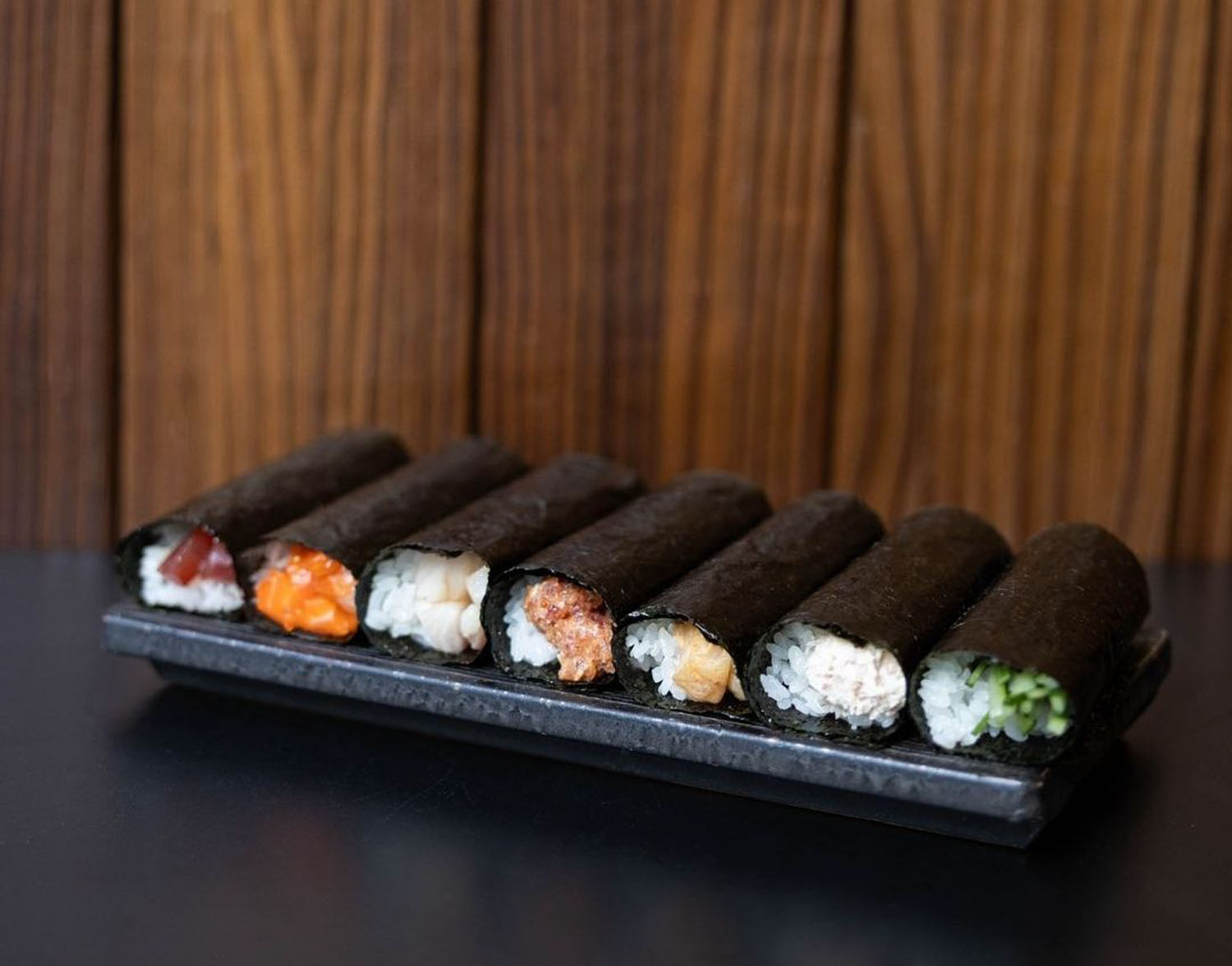
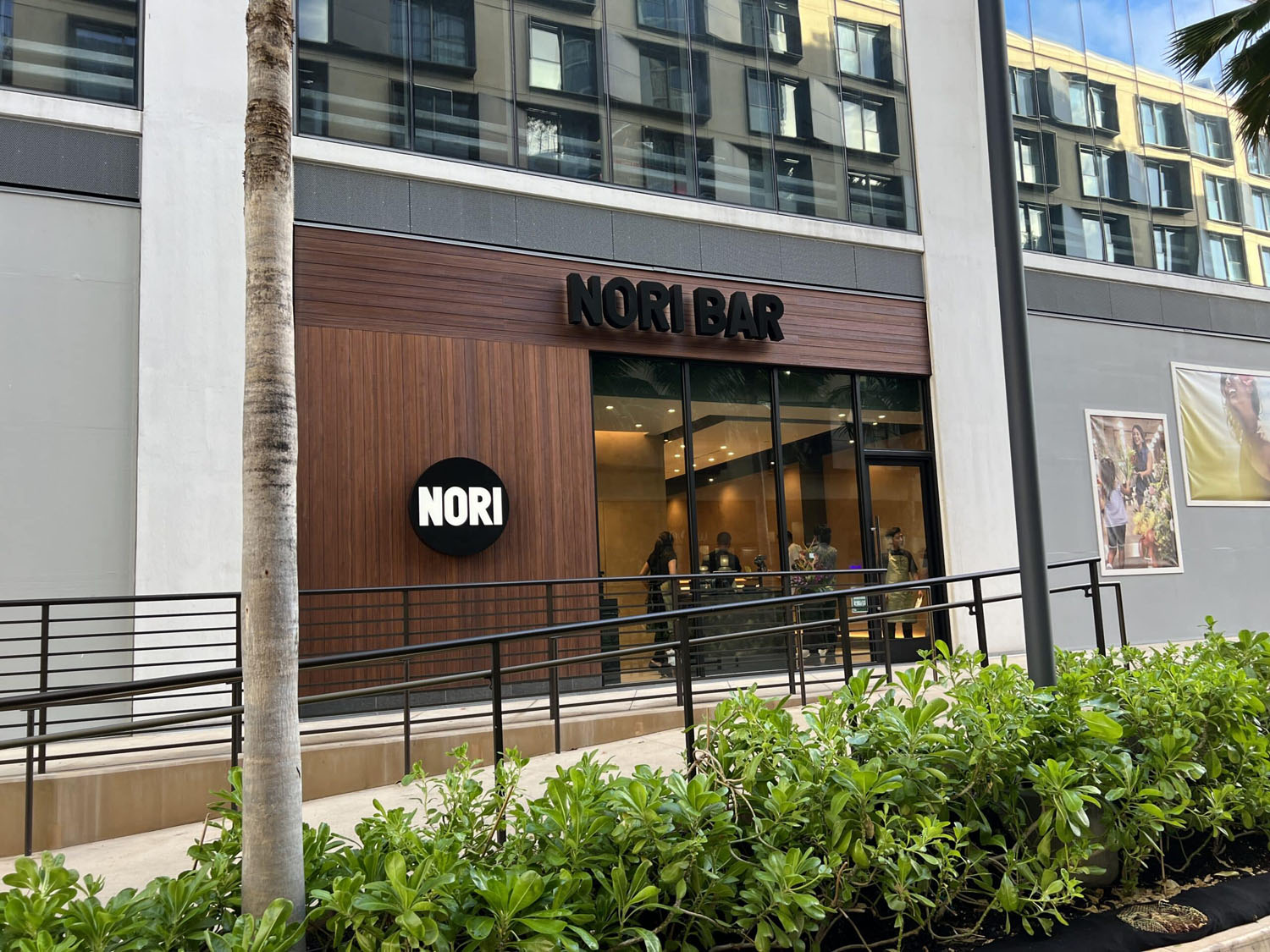
  • Nori Bar A smaller sushi and hand-roll concept popular for quick but high-quality meals.
  • Tanto Gyoza & Ramen Bar A polished yet relaxed Japanese concept that combines ramen and small plates.
  • Tonkatsu Kuro A focused menu with consistently strong execution.
  • Menya Le Nood A popular ramen destination that residents return to regularly.
  • Ginza Sushi A casual Japanese restaurant known for reliable sushi, bento, and traditional dishes in a relaxed setting. It is an easy, dependable option for a weeknight meal.

Casual but Quality Dining (Kakaʻako)

  • Moku Kitchen A cornerstone of SALT, blending wood-fired cooking and a lively atmosphere.
  • Rinka A casual Japanese restaurant known for dependable set meals and sushi.
  • Doraku Sushi (Kakaʻako) A polished but approachable sushi and izakaya-style dining option suitable for casual dinners.
  • Pattaya Thai A longtime neighborhood favorite for Thai dishes in a relaxed setting.
  • 1938 Indochine A stylish but comfortable Vietnamese restaurant suited for casual dinners.
  • An Di Dzo A relaxed Vietnamese café known for bánh mì and noodle dishes.
  • OKDONGSIK Honolulu A Korean restaurant known for its refined approach to traditional dishes and minimalist interior.
  • Mana + Pua A plant-based café at SALT known for fresh bowls and lighter meals.
  • Off The Wall Craft Beer & Wine A relaxed social spot for drinks and small bites.
  • Hana Koa Brewing Co. A modern brewery with a strong food program and polished interior.
  • Aloha Beer Company A casual gathering place that combines a brewery and a restaurant.
  • Village Bottle Shop & Tasting Room A wine-focused setting popular for relaxed evenings.
  • Bevy A gastropub bridging casual dining and a more refined night out.

Coffee and Morning Stops (Kakaʻako)

  • TRY Coffee A thoughtfully designed café known for high-quality coffee and a calm atmosphere.
  • Arvo Café A favorite among residents for coffee and a light breakfast.
  • ALO Café Health-forward dishes and specialty drinks in a bright space.
  • Dean & Deluca Hawaiʻi A polished café suited for coffee meetings or takeaway.
  • Aliʻi Coffee Co. A reliable stop for specialty coffee and casual meetings.
  • Blue Tree Café A comfortable neighborhood café known for breakfast and coffee.
  • Morning Brew Kakaʻako A dependable choice for breakfast or casual meetings.
  • Ninebar HNL A smaller café with a quieter, more intimate feel.
  • Lanikai Juice (Ward) Smoothies and lighter fare are popular with residents heading to the beach or gym.

Takeaway and Quick Stops (Kakaʻako)

  • Ocean Taste Poke Fresh poke and seafood bowls for quick lunches or takeout.
  • Off the Hook Poke Market A well-regarded stop for fresh poke and prepared seafood.
  • Hōʻu Fish Market A seafood-focused concept known for fresh fish and prepared plates.
  • Cooke Street Market A longtime neighborhood favorite for plate lunches and grab-and-go meals.
  • Nalu Health Bar & Café Smoothies, acai bowls, and lighter takeaway options.

Restaurants Near Ala Moana

Ala Moana offers a wide range of dining options within walking distance of Ala Moana Beach Park, Ala Moana Center, and surrounding residential towers.

Elevated Dining and Dinner Restaurants (Ala Moana)

  • The Signature Prime Steak & Seafood A classic choice for sunset dinners and city views.
  • Mariposa A longtime favorite overlooking the ocean.
  • Sera Honolulu A refined Mediterranean-inspired restaurant known for its design-forward space and polished atmosphere.
  • Vintage Cave Café A refined café and dining experience suited for lunch meetings or quiet dinners.
  • MW Restaurant Conveniently located for residents of both Kakaʻako and Ala Moana.

Casual Dining and Everyday Favorites (Ala Moana)

  • Assaggio Ala Moana Italian comfort dishes in a relaxed environment.
  • Shabuya Casual hot pot dining is popular for group meals.
  • Tanaka of Tokyo West A longstanding teppanyaki restaurant.
  • Goma Tei A dependable ramen and noodle spot.
  • Mama Pho A casual Vietnamese restaurant that residents frequently use for quick dinners or takeout.

Coffee, Wine, and Social Spots (Ala Moana)

  • Island Brew Coffeehouse (Ala Moana Center) A popular stop overlooking the marina, known for coffee, breakfast plates, and casual meetings.
  • Amuse Wine Bar A relaxed setting for wine and conversation.
  • Tango Contemporary Café A comfortable café-style restaurant suitable for casual meetings or dinners.
  • R. Field Wine Company A wine bar and gourmet market popular for casual evenings.
  • Honolulu Coffee (Ala Moana) A convenient meeting spot and morning stop.
  • BRUG Bakery Coffee, pastries, and quick breakfasts.

Where I Personally Go Most Often in Kakaʻako and Ala Moana

One of the questions I’m asked frequently by buyers relocating to Honolulu is where residents actually go day-to-day. While there are many excellent restaurants in both neighborhoods, a few places naturally become part of a weekly routine.

For special evenings out, I find myself at Merriman’s, CINO, or Istanbul. Each offers a consistently amazing experience and a setting that works well whether meeting friends or clients.

For casual meals or quick stops, I return regularly to Ocean Taste Poke, Nalu Health Bar & Café, Pattaya Thai, An Di Dzo, Pioneer Saloon, Off the Wall, and Moku Kitchen. They are convenient, reliable, and easy to fit into a busy day.

TRY Coffee is one of my regular coffee stops, and I also frequently meet clients or work nearby at Aliʻi Coffee.

What I appreciate most about these neighborhoods is that these routines do not require planning. Most of these places are a short walk away, which is one of the lifestyle details that make living in Kakaʻako and Ala Moana feel so easy day to day.

Why Dining Matters When Choosing Where to Live

When buyers evaluate condominiums in Kakaʻako and Ala Moana, walkability and nearby dining often shape daily lifestyle more than expected. The ability to walk to coffee in the morning, meet friends nearby, or pick up dinner without planning around traffic meaningfully changes how a neighborhood feels over time.

That combination of restaurants, parks, ocean access, and everyday conveniences within minutes is one of the reasons these neighborhoods continue to attract buyers who value convenience, design, and a connected urban lifestyle.

Your Top Hawaiʻi Luxury Condo Specialist

Lucy Heath

Lucy Heath is a Real Estate Advisor at Compass and the founder of Luxury Condos Hawaiʻi, recognized for her expertise in refined condominium living in Kakaʻako and Ala Moana. She has lived in Ward Village for over six years, witnessing its transformation from the earliest stages of development into one of Honolulu's most sought-after neighborhoods.
Get in Touch
Lucy Heath - Compass Real Estate Advisor Hawaii
Feb. 12, 2026

Kaka'ako Waterfront Park and Ala Moana Beach Park

Kakaako Waterfront Park and Ala Moana Beach Park

Two shoreline parks that shape daily life in Kakaʻako and Ala Moana

Kakaʻako Waterfront Park and Ala Moana Beach Park

What Buyers Should Know About Living Near Honolulu’s Two Most Desirable Shoreline Parks

For many buyers considering a condominium in Kakaʻako or Ala Moana, proximity to outdoor space is an important factor in their decision. Walkability, access to the ocean, running routes, and open green space all contribute to daily quality of life and long-term desirability.

Two parks consistently come up in conversations with buyers: Kakaʻako Waterfront Park and Ala Moana Beach Park. They are only minutes apart and share many similarities, yet each offers slightly different features worth considering when evaluating where to live.

Kakaʻako Waterfront Park

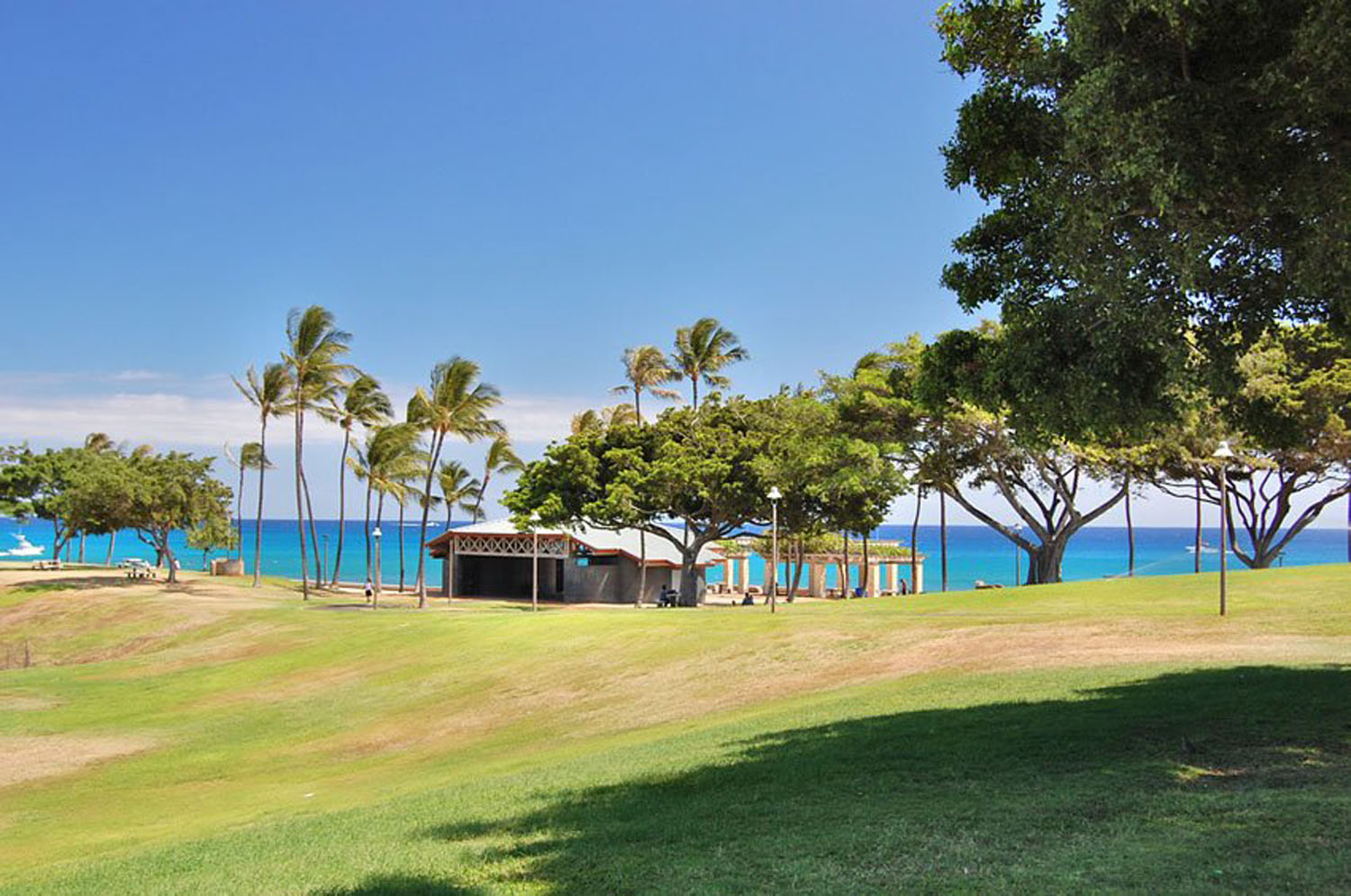
Kakaʻako Waterfront Park sits along the makai edge of the neighborhood and is one of the largest open green spaces in urban Honolulu. The park occupies land that was once a landfill and later transformed into park space, which explains its distinctive landscape of rolling lawns, elevated mounds, and wide-open views.

Kakaako Waterfront Park shoreline view near Ala Moana Kakaako Waterfront Park shoreline near Ala Moana Beach Park Kakaako Waterfront Park near Ala Moana Beach Park

What Buyers Appreciate About This Park

  • Paved walking and running paths There are paved paths throughout the park, making it convenient to run, walk, or bike without leaving the neighborhood.
  • Open space and wide views The elevation changes and expansive lawns create wide sightlines and ocean views that are difficult to find elsewhere in Honolulu. Sunsets here are often exceptional.
  • Quieter atmosphere Compared to Ala Moana Beach Park, Waterfront Park generally feels less crowded, especially in the mornings and evenings.
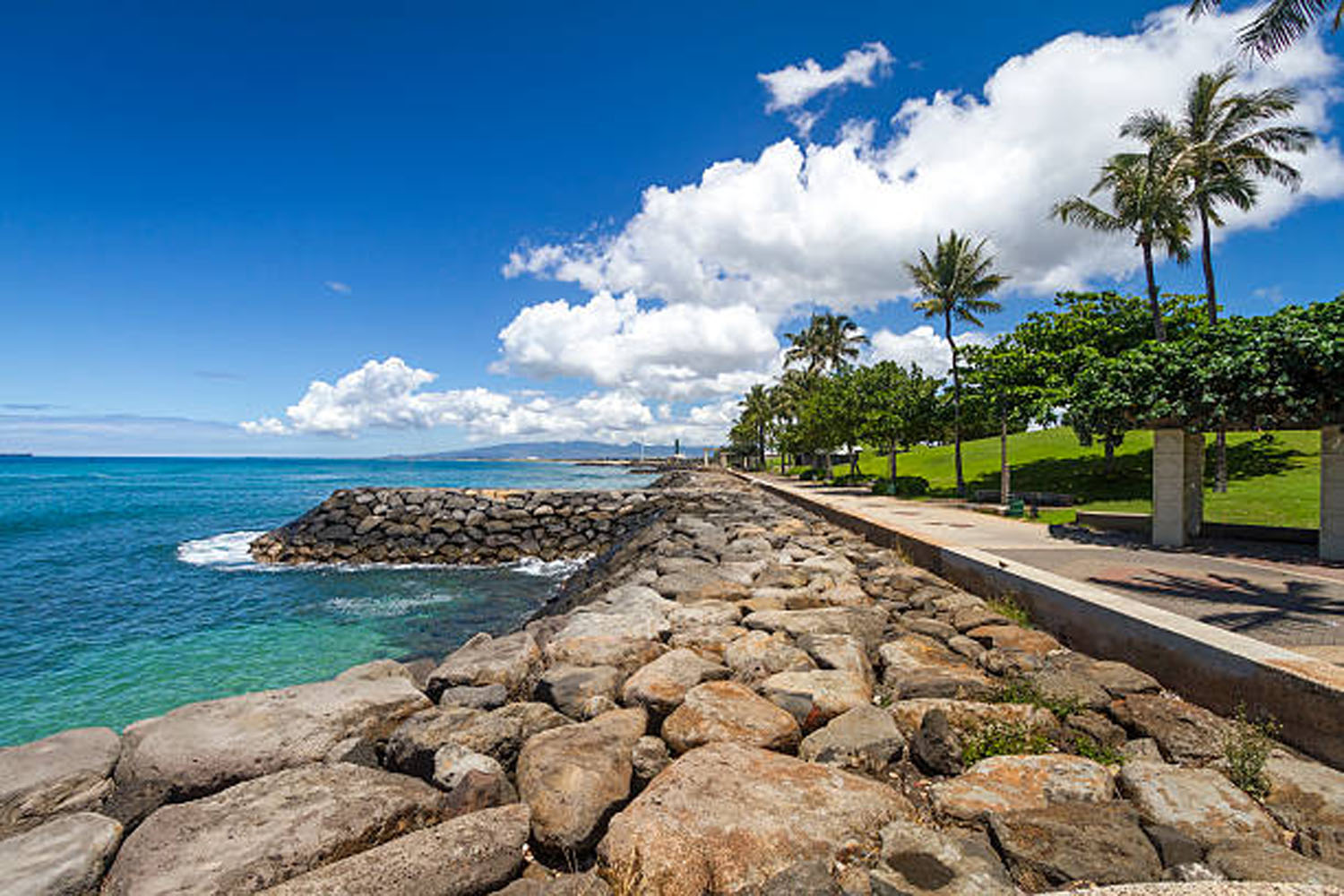
  • Oceanfront setting without a sandy beach One important distinction for buyers: there is no traditional swimming beach here. The shoreline consists primarily of lava rock and seawalls, so the park is used more for walking, running, and relaxing rather than ocean activities.
  • Accessible parking Parking is typically manageable, making it easy to stop by for a walk or to watch the sunset without extensive planning.

Ala Moana Beach Park

Ala Moana Beach Park is one of the most popular shoreline parks in Honolulu and offers a wide range of recreational options.

Ala Moana Beach Park shoreline Honolulu Hawaii Ala Moana Beach Park shoreline in Kakaako Honolulu Ala Moana Beach Park shoreline near Kakaako Waterfront Park Ala Moana Beach Park shoreline in Honolulu Ala Moana Beach Park shoreline in Kakaako Hawaii

What Buyers Appreciate About This Park

  • A true swimming beach The protected reef creates calm swimming conditions, which is one of the biggest differences compared with Kakaʻako Waterfront Park. This makes it a favorite for ocean swimming, paddleboarding, and spending time in the water.
  • Flat open lawns and sandy areas Large flat spaces make it easy to play sports, stretch out on the grass, or gather with friends. The terrain is flatter than at Waterfront Park, which many people find comfortable for longer walks or runs.
  • Paved running and walking paths Like Kakaʻako Waterfront Park, Ala Moana has excellent paved paths that are used daily by runners and walkers.
  • A more active environment Ala Moana Beach Park tends to be busier throughout the day, with a steady flow of people exercising, swimming, and enjoying the shoreline.
  • Ample parking compared to most beaches While peak times can be busy, the large parking areas generally make access easier than many other beaches on Oʻahu.

How the Parks Compare

These two parks are more similar than many buyers expect. Both offer paved walking and running paths, ocean views, open green space, and generally accessible parking. Both are used daily by residents for exercise, sunset walks, and spending time outdoors.

The primary differences come down to activity level, terrain, and the presence of a sandy beach. Ala Moana Beach Park is typically busier and offers swimming and flat space for sports. In comparison, Kakaʻako Waterfront Park is usually quieter and features rolling lawns and elevated viewpoints, but no beach.

Which Buildings Have the Easiest Access

One advantage of living in this part of Honolulu is that many buildings are close to both parks, and in some cases, residents can comfortably walk to either.

  • Ward Village All Ward Village buildings are conveniently located near both Kakaʻako Waterfront Park and Ala Moana Beach Park. Depending on the specific tower and walking route, most residents find both parks easily reachable on foot or by bike, a defining lifestyle benefit of living in the neighborhood.

Closest access to Ala Moana Beach Park Buildings immediately adjacent to the park or just across Ala Moana Boulevard include:

Closest access to Kakaʻako Waterfront Park In addition to Ward Village, nearby projects with particularly convenient access include:

Short bike ride or drive Buildings located farther inland, particularly along Kapiʻolani Boulevard and the upper portions of Ala Moana and Kakaʻako, are still very close in practical terms. For most residents, reaching either park is a short bike ride or a quick drive, so both parks remain part of everyday life regardless of the specific building.

Why Access to Parks Matters When Choosing Where to Live

When buyers evaluate condominiums in Kakaʻako and Ala Moana, access to outdoor space often becomes a deciding factor. Being able to step outside and reach a park within minutes influences daily routines in a meaningful way.

Morning walks, evening runs, sunset views, and simply having room to be outdoors close to home all contribute to the appeal of these neighborhoods. This balance between urban living and immediate access to the shoreline is one of the area's defining characteristics and one of the reasons demand has remained strong over time.

Final Thoughts

Access to both Ala Moana Beach Park and Kakaʻako Waterfront Park is one of the defining lifestyle advantages of living in Kakaʻako and Ala Moana, and a factor many buyers don’t fully appreciate until they experience it day-to-day.

Being able to incorporate the ocean, open space, and walking paths into everyday routines is part of what makes this neighborhood so compelling and one of the reasons so many people choose to live here.

Your Top Hawaiʻi Luxury Condo Specialist

Lucy Heath

Lucy Heath is a Real Estate Advisor at Compass and the founder of Luxury Condos Hawaiʻi, recognized for her expertise in refined condominium living in Kakaʻako and Ala Moana. She has lived in Ward Village for over six years, witnessing its transformation from the earliest stages of development into one of Honolulu's most sought-after neighborhoods.
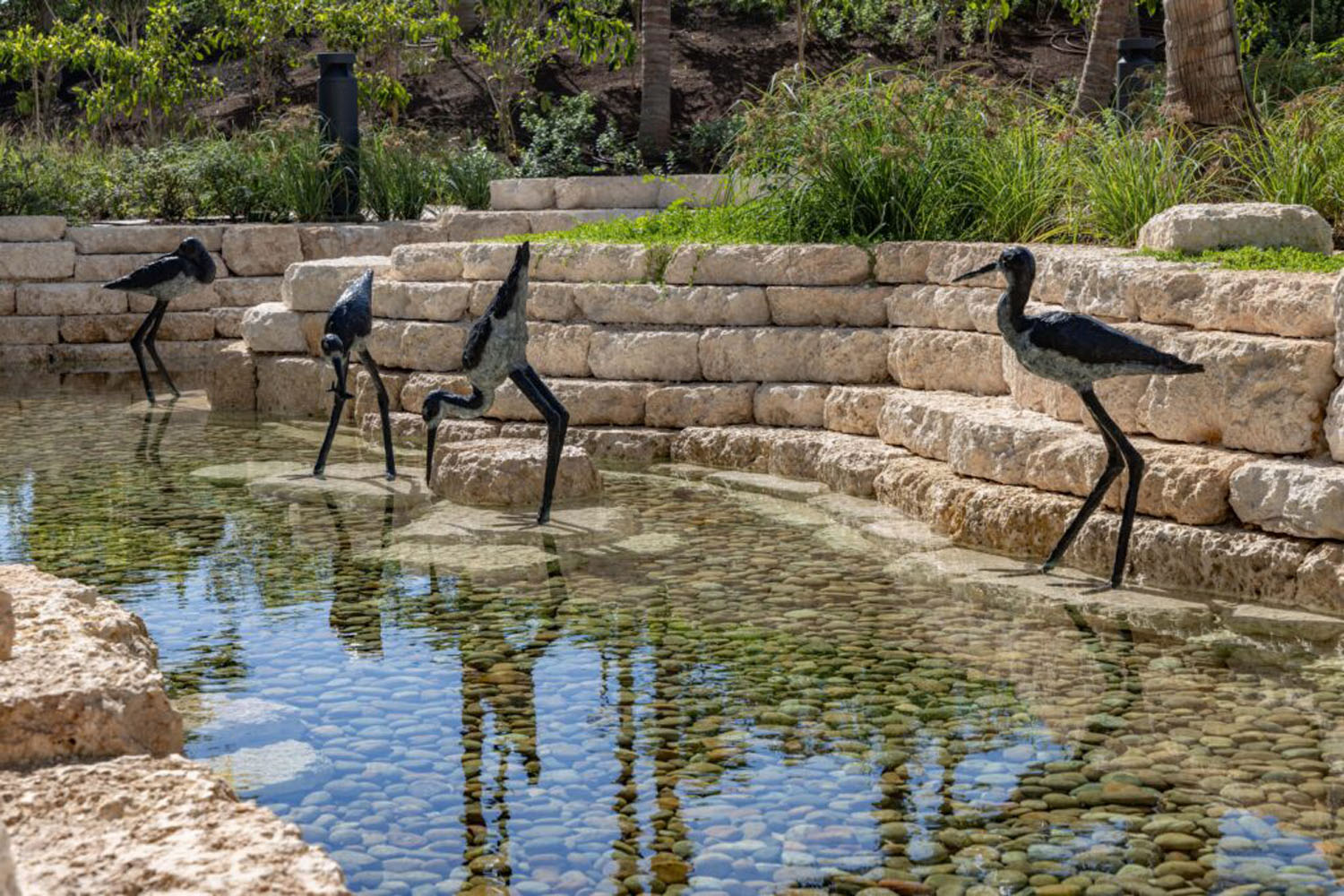
Get in Touch
Lucy Heath - Compass Real Estate Advisor Hawaii
Feb. 9, 2026

Kahuina: What Buyers Should Know About This Upcoming Kaka'ako Project

Kahuina Kakaako condos for sale buyers guide

A buyer-focused guide to Kahuina in Our Kakaʻako

Kakaʻako continues to evolve, and one upcoming development generating interest among buyers is Kahuina, a new mixed-use residential community planned in Our Kakaʻako.

As more buyers begin researching future inventory in the neighborhood, it helps to understand not only what this project is, but how it fits into the broader history and planning of Kakaʻako, and what buyers should consider before purchasing in a pre-construction development.

What Does “Kahuina” Mean?

The name Kahuina is derived from the Hawaiian word kahu, meaning caretaker, steward, or someone entrusted with responsibility. The suffix -ina can denote a collective or gathering, so Kahuina can be understood to mean a collective of caretakers or stewards.

The name is particularly meaningful in the context of Our Kakaʻako, where much of the land is owned by Kamehameha Schools. As a trust established to support the educational mission of Princess Bernice Pauahi Bishop, Kamehameha Schools approaches development with a long-term stewardship mindset. Rather than focusing only on short-term projects, their planning emphasizes community, walkability, local businesses, and housing intended to serve residents for generations.

This philosophy of stewardship is reflected in the broader vision for Our Kakaʻako, where parks, gathering spaces, and mixed-income housing are intentionally integrated into the neighborhood fabric.

Seen in that context, the name Kahuina speaks not just to a new residential project but also to the idea of caring for place, community, and the neighborhood's long-term future.

A Brief History of Our Kakaʻako

To understand Kahuina, it is important to understand Our Kakaʻako itself.

Much of this portion of Kakaʻako sits on land owned by Kamehameha Schools, one of Hawaiʻi’s largest private landowners. Rather than selling parcels individually, Kamehameha Schools developed a long-term master plan to create a walkable, mixed-use urban neighborhood that would serve residents while supporting small businesses, local retailers, and community gathering spaces.

Before redevelopment began, this area was largely composed of warehouses, light industrial buildings, and auto shops. Over the past decade, it has gradually transformed into a neighborhood known for its creative energy, street art, and locally focused businesses. SALT at Our Kakaʻako became a focal point of this transformation, introducing restaurants, cafés, and retail designed to serve residents rather than visitors.

Unlike Ward Village, which was designed with a more luxury-oriented positioning, Our Kakaʻako has intentionally incorporated a mix of market-rate and reserved housing to support long-term residents and workforce housing opportunities in Honolulu’s urban core.

Kahuina is part of the next phase of that long-term vision.

Where Kahuina Will Be Located

Kahuina is planned for a site bordered by Cooke, Auahi, Coral, and Pohukaina Streets on the makai side of Our Kakaʻako.

This location places it close to SALT at Our Kakaʻako, Mother Waldron Park, and within walking or biking distance of Ala Moana, Ward Village, and the waterfront.

For buyers who prioritize walkability and everyday convenience, this part of the neighborhood continues to gain attention.

Project Scale and Structure

Kahuina is planned as a large residential community with two towers, Lamakū and Māmalu, totaling more than 700 residences. A mix of market-rate and HHFDC homes will be offered, along with ground-floor retail and community spaces.

The site spans more than three acres and is positioned within walking distance of SALT, Ward Village, and Ala Moana Beach Park, placing it in one of the most connected areas of the neighborhood.

Amenity plans include a pool, fitness center, recreation spaces, and gathering areas designed to support everyday living rather than ultra-luxury positioning.

Pricing, Deposits, and Owner-Occupancy

Market-rate residences are expected to begin approximately at:

  • One-bedroom residences from the high $600,000s
  • Two-bedroom residences from the low $900,000s
  • Three-bedroom residences from approximately $1.2M and above

These homes are intended for owner-occupants who meet qualified resident requirements and plan to live in the residence.

Pre-construction purchases require deposits at the time of contract and at specified milestones during construction. Buyers should understand that if circumstances change and they are unable to complete the purchase, or if they cancel outside of allowed contingencies, deposits may be at risk.

Carefully reviewing contracts and planning financing early are important parts of the process.

HHFDC and DEP Programs at Kahuina

In addition to market-rate residences, Kahuina includes homes offered through housing programs administered by the Hawaiʻi Housing Finance and Development Corporation (HHFDC), including the Dwelling Unit Revolving Fund Equity Pilot (DEP) Program.

These programs are designed to support Hawaiʻi residents working in essential professions and to expand access to homeownership in urban Honolulu.

Through programs like DEP, equity assistance may be provided toward the purchase price of designated units, helping bridge the gap between income levels and housing costs. Buyers should expect eligibility requirements, occupancy rules, and resale guidelines that differ from traditional market-rate purchases.

Because these programs involve application processes and documentation, buyers should allow additional time and work closely with lenders and program administrators.

Pros and Cons of Buying Pre-Construction in Kakaʻako

Many buyers considering Kahuina are also evaluating whether purchasing pre-construction is the right approach.

Potential Advantages

  • Brand-new condition with modern systems and finishes
  • Modern layouts and building design
  • Time to plan before moving
  • Access to new inventory in a land-constrained neighborhood

Considerations

  • Construction timelines can shift due to delays
  • You are purchasing from plans rather than a completed home.
  • Deposits are required and may be at risk if contracts are canceled outside permitted contingencies

Understanding these tradeoffs early helps buyers decide whether pre-construction aligns with their goals.

Are Reserved Housing Units a Good Fit?

Reserved housing can be a strong fit for buyers who plan to occupy the unit as a primary residence, meet eligibility requirements, and are comfortable with occupancy and resale guidelines.

However, these units may not suit buyers seeking rental flexibility, part-time use, or short-term ownership horizons.

Understanding these guidelines early helps buyers determine whether this type of purchase aligns with their long-term plans.

Questions Buyers Should Ask Before Reserving a Unit

When considering a pre-construction purchase, asking the right questions early can make a significant difference.

  • How long am I comfortable waiting?
  • Does the layout work for my lifestyle long-term?
  • What are the rental and occupancy rules?
  • Am I financially prepared for deposits, closing costs, and move-in expenses?
  • What surrounding development is planned nearby?

Taking time to evaluate these factors leads to more confident decisions.

How Kahuina Compares to Ulana and Ke Kilohana

Buyers researching Kahuina are often also comparing it to Ulana and Ke Kilohana, as all three offer opportunities to purchase newer construction in Kakaʻako at more attainable price points than the luxury towers.

While pricing and eligibility structures may overlap in some cases, the biggest differences often come down to location within the neighborhood, building positioning, and timing.

  • Kahuina
    • Located in Our Kakaʻako
    • Larger-scale development with a mix of market-rate, HHFDC, and DEP units
    • Strong emphasis on community-oriented design and walkability
    • Pre-construction purchase timeline
  • Ulana
    • Located in Ward Village
    • Positioned in the second row of towers, behind the future Launiu
    • Reserved and market-rate residences designed to provide a more attainable entry point into Ward Village
    • Owners of reserved units are typically subject to a hold period, after which units may be resold on the open market, depending on program guidelines in place at the time
  • Ke Kilohana
    • Located within Ward Village
    • Positioned in the third row of towers, further mauka within the master plan
    • Completed building with resale inventory available today
    • While eligibility requirements applied during the initial sales period, resale units are now available to the general public, making it one of the more accessible entry points into Ward Village.

One of the most important factors buyers sometimes overlook is how tower positioning within the master plan can influence views, privacy, sun exposure, and long-term surroundings. Future development, view corridors, and distance between towers often have a meaningful impact on daily living and long-term value, particularly in a neighborhood like Kakaʻako that is still evolving.

Each of these buildings serves a slightly different buyer profile. Some buyers prefer the certainty of a completed building, while others prioritize purchasing brand-new construction or joining a neighborhood still taking shape. Location within the master plan, surrounding buildings, and long-term development nearby often play just as important a role as pricing when making that decision.

Final Thoughts

Kahuina represents an exciting next chapter in the evolution of Our Kakaʻako and continues the broader shift toward walkable, mixed-use urban communities in Honolulu.

The opportunity to live in a newer condominium within walking distance of SALT at Our Kakaʻako, Ward Village, Downtown Honolulu, and the waterfront is something that simply hasn’t existed at this scale before. Being able to step outside and have cafés, restaurants, parks, and everyday conveniences all within reach is a big part of what makes this neighborhood so appealing.

Purchasing in a developing neighborhood is not just about selecting a floor plan or a view. It is about understanding how the neighborhood will evolve, what will be built nearby, and how the overall environment will feel in the years to come. Taking the time to evaluate the location, the building, and the area's long-term vision helps buyers move forward with clarity and confidence.

Kakaʻako continues to become one of the most vibrant places to live in Honolulu, and Kahuina will give more residents the chance to be part of it.

Your Top Hawaiʻi Luxury Condo Specialist

Lucy Heath

Lucy Heath is a Real Estate Advisor at Compass and the founder of Luxury Condos Hawaiʻi, recognized for her expertise in refined condominium living in Kakaʻako and Ala Moana. She has lived in Ward Village for over six years, witnessing its transformation from the earliest stages of development into one of Honolulu's most sought-after neighborhoods.
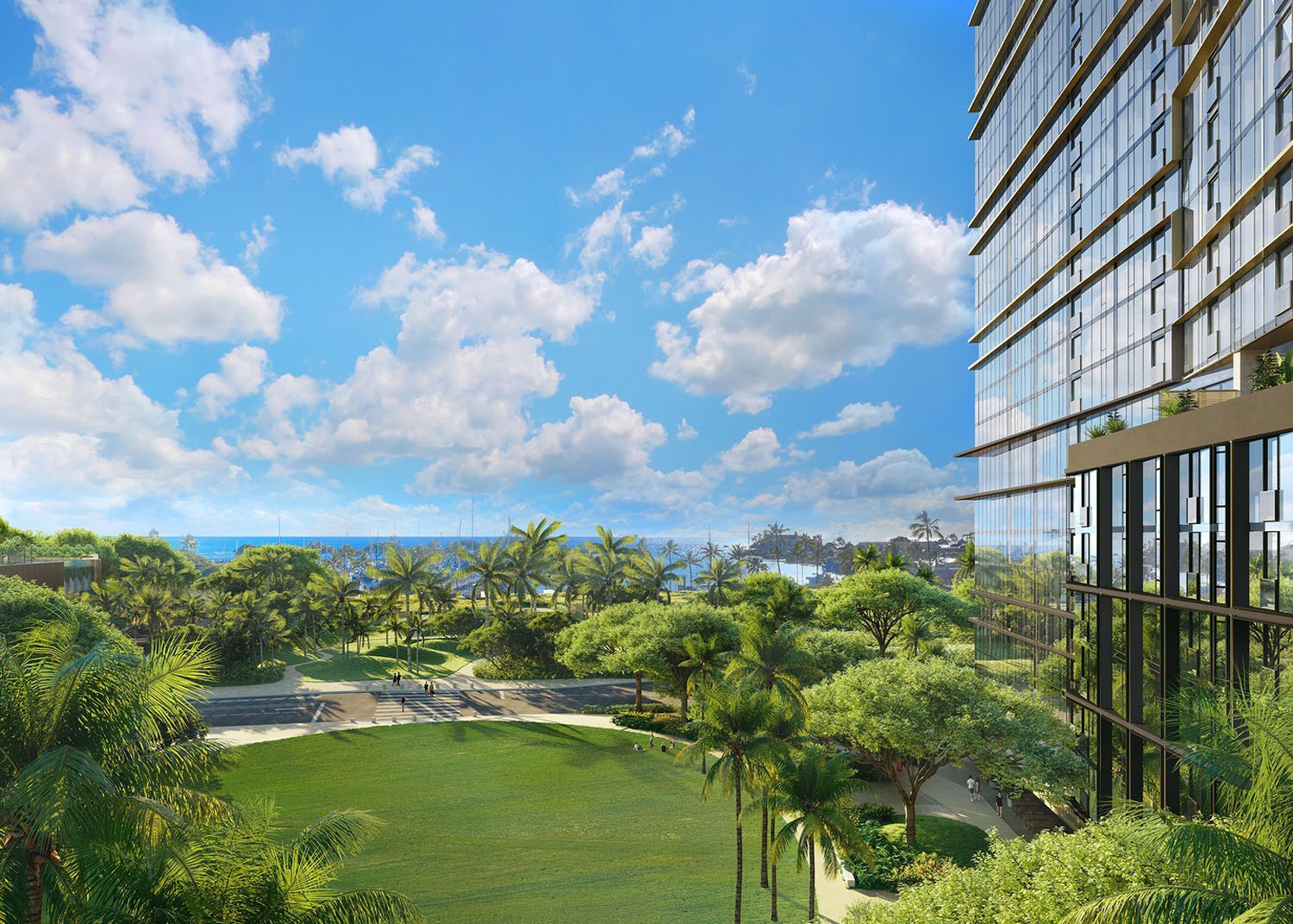
Get in Touch
Lucy Heath - Compass Real Estate Advisor Hawaii
Posted in Buyers, Condos, Guides, Kakaako
Feb. 6, 2026

How to Buy a Condo in Kaka'ako and Ala Moana From Out of State (Step-by-Step)

Koula condos for sale in Kakaako Ala Moana

A clear, remote-friendly process for purchasing in two of Honolulu’s most sought-after condo neighborhoods

How to Buy a Condo in Kakaʻako and Ala Moana From Out of State (Step-by-Step)

Buying a condo in Kakaʻako and Ala Moana from out of state is very common. With thoughtful local guidance and a clear process, purchasing remotely can be both efficient and well-structured. These neighborhoods offer a wide range of buildings, layouts, and lifestyles, which makes building-specific insight especially valuable when you’re not on island.

Below is a step-by-step overview of how out-of-state buyers successfully purchase condos in Kakaʻako and Ala Moana.

Step 1: Start With a Zoom Strategy Session

For out-of-state buyers, starting with a Zoom call is a practical way to introduce you to the area and chat about the market before focusing on specific buildings or residences.

During this session, I will share my screen and walk you through:

  • How Kakaʻako and Ala Moana are laid out, building by building
  • Key differences in location, orientation, and surrounding environment
  • Amenity offerings and how they function in day-to-day living
  • Nuances between newer construction and more established buildings
  • Practical pros and cons that influence comfort, privacy, and long-term value

This approach helps ensure that every decision moving forward is informed and intentional.

Step 2: Determine Your Purchasing Power

Understanding your purchasing power early on helps refine your search criteria and ensures the options you consider align with both your goals and comfort level.

Condo financing in Hawaiʻi can vary meaningfully from building to building, which is why working with a lender who specializes in condominiums is especially important. I’m happy to introduce you to three highly regarded mortgage brokers in Hawaiʻi who focus on condo financing.

This step helps you:

  • Clarify your price range and monthly comfort level
  • Understand down payment and reserve requirements
  • Identify which buildings are financeable
  • Further refine your search criteria with confidence

Having this clarity early helps keep the process streamlined and efficient.

Step 3: Benefit From Local, Building-Specific Insight

When buying remotely, understanding how a building truly lives becomes especially important. Beyond listing details, there are nuances that influence daily experience and long-term value.

This includes guidance around:

  • Differences between buildings and stack positions
  • Light, noise, and exposure considerations
  • Building maintenance, any active or past litigation, and planned or ongoing capital improvements
  • Trade-offs between view, layout, pricing, and resale dynamics

This level of insight helps buyers make decisions that align with both lifestyle and long-term goals.

Step 4: Tour Properties Virtually, or Visit the Island

Many out-of-state buyers begin with virtual tours, recorded videos, and live walk-throughs to narrow their focus efficiently.

If you choose to visit Oʻahu, I’m happy to:

  • Coordinate private showings
  • Tour multiple buildings within a short timeframe
  • Explore both Kakaʻako and Ala Moana to experience their distinct feel

Whether virtual or in person, the goal is clarity and confidence.

Step 5: Submit a Thoughtful, Well-Structured Offer

Once the right condo is identified, the offer should reflect current market conditions while remaining clean and well-considered.

This includes:

  • Pricing strategy informed by recent comparable sales
  • Clear timelines and deposit structure
  • Condo-specific contingencies
  • Professional communication throughout negotiations

Market dynamics can differ from building to building, making local context especially important at this stage.

Step 6: Review Condo Documents Once Under Contract

Condo documents are typically provided after a property is under contract. This review period is an essential step and should be approached carefully.

Key items include:

  • HOA budgets and reserve studies
  • Meeting minutes and disclosures
  • House rules and rental policies
  • Any planned capital projects or special assessments

A thorough review ensures the condo aligns with expectations and longer-term plans.

Step 7: Close With Confidence From Anywhere

Most out-of-state buyers close without being physically present. Throughout the process, all local logistics are handled on the ground.

This includes:

  • Attending inspections
  • Managing any in-person appointments or follow-ups
  • Ongoing communication with escrow and title

You remain informed at every step, while the details are managed locally.

Final Thoughts

Buying a condo in Kakaʻako and Ala Moana from out of state can be a streamlined and well-supported experience when the process is guided by local, building-specific insight. With a clear framework and on-the-ground coordination at every stage, buyers can move forward confidently, no matter where they’re based.

If you’re considering a condo purchase in Kakaʻako or Ala Moana from out of state, I’d be happy to be a resource and walk you through the process. I know firsthand what it’s like to move here, and I’m always happy to share perspective and help make the process feel clear, thoughtful, and well-supported.

Your Top Hawaiʻi Luxury Condo Specialist

Lucy Heath

Lucy Heath is a Real Estate Advisor at Compass and the founder of Luxury Condos Hawaiʻi, recognized for her expertise in refined condominium living in Kakaʻako and Ala Moana. She has lived in Ward Village for over six years, witnessing its transformation from the earliest stages of development into one of Honolulu's most sought-after neighborhoods.
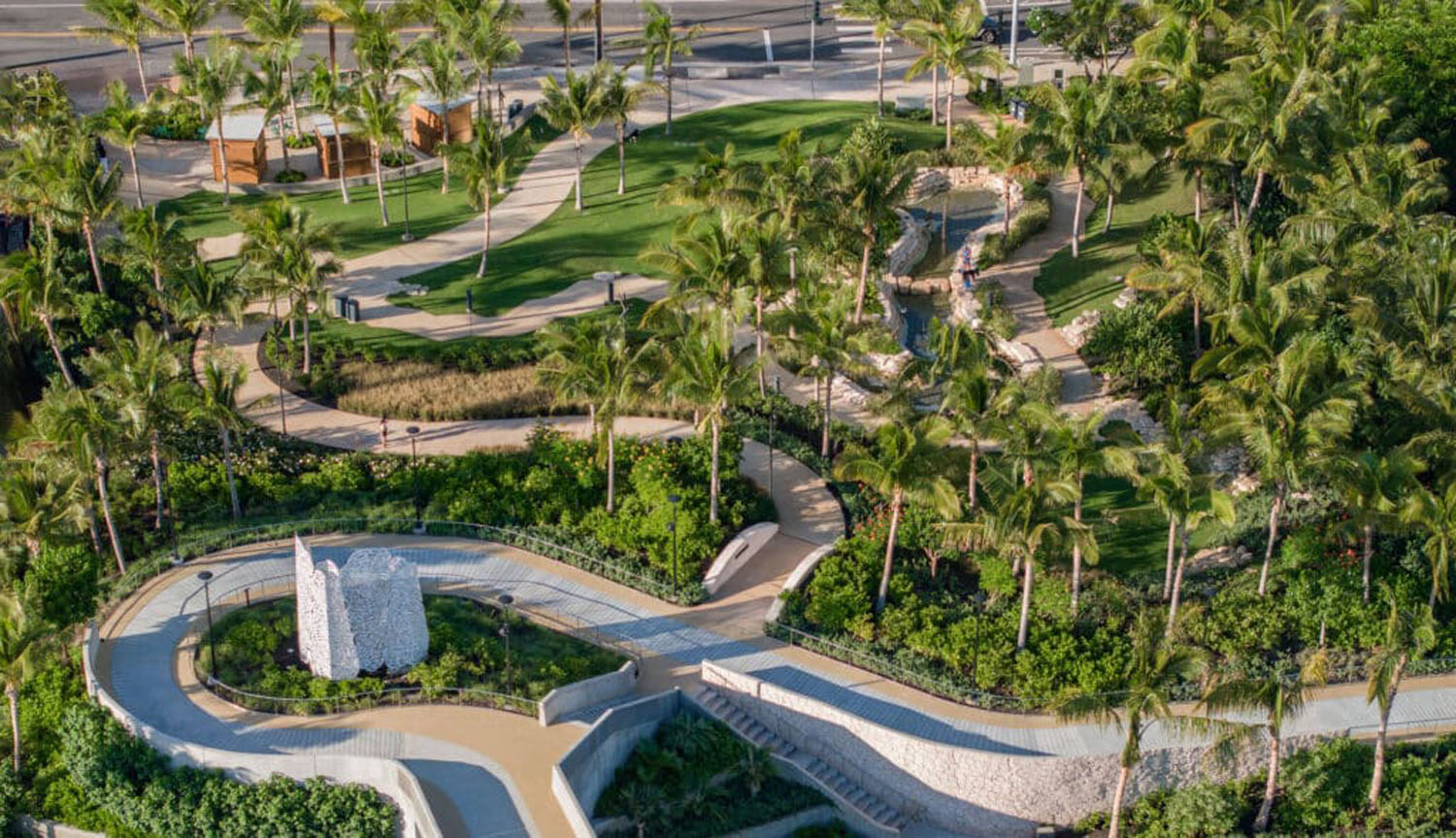
Get in Touch
Lucy Heath - Compass Real Estate Advisor Hawaii
Feb. 4, 2026

Happy Hour in Kaka'ako and Ala Moana

Happy hour cocktails in Kakaako and Ala Moana

A walkable guide to after-work drinks and small plates in Honolulu’s most livable neighborhoods

Happy Hour in Kakaʻako and Ala Moana

Living in Kakaʻako and Ala Moana, we are incredibly fortunate to be surrounded by so many talented chefs and restaurateurs. For a relatively compact area, the depth and diversity of food and drink here is remarkable. Happy hour is simply one of the ways residents get to experience that talent in a more relaxed, everyday setting.

In these neighborhoods, evenings tend to unfold naturally. A walk turns into a drink. A workout turns into dinner plans. Having this many quality restaurants within walking distance makes socializing easy and spontaneous, and it is a big part of what makes living in Kakaʻako and Ala Moana feel special.

Mana and Pua at SALT Kakaako happy hour

Happy Hour in Kakaʻako

Kakaʻako offers a wide range of happy hour options, from casual neighborhood spots to more refined dining rooms. Walkability is the common thread, and many evenings begin without a fixed plan.

  • Moku Kitchen Located at SALT, Moku Kitchen is a consistent favorite for happy hour. Happy hour is typically offered in the afternoon and early evening, commonly around 3 pm to 6 pm. The relaxed atmosphere and shareable menu make it an easy place to start or stay.
  • Māna + Pua Also located at SALT, Māna + Pua is a natural gathering place as the day winds down. Happy hour is often available from about 3 pm to 6 pm. The indoor outdoor layout works well for casual meet-ups.
  • Doraku Sushi Kakaʻako Doraku Sushi Kakaʻako generally offers happy hour in the late afternoon, often around 4 pm to 6 pm. It is a reliable choice for sushi and drinks after work, drawing a strong local crowd.
  • Nori Bar Nori Bar offers happy hour, typically earlier in the evening, from 4 pm to 6 pm. The setting is more intimate and appeals to those who prefer a quieter experience with well-executed food.
  • Indochine Indochine usually runs a happy hour in the late afternoon, often around 4 pm to 6 pm. It offers a slightly more polished atmosphere and works well for cocktails before dinner.
  • Flair Hawaiʻi Flair Hawaiʻi brings energy to happy hour with live music every day. Happy hour offerings typically run from late afternoon to early evening, often around 4 pm to 6 pm. It is a popular option for those who enjoy music as part of the experience.
  • Onkee Onkee has become a neighborhood favorite for Korean-inspired comfort food in a casual setting. Happy hour is usually offered in the late afternoon to early evening, often around 4 pm to 6 pm. It works equally well as a quick stop or a longer stay.

Kakaako Ala Moana happy hour catering appetizers

Happy Hour in Ala Moana

Ala Moana has a well-established happy-hour scene shaped by its proximity to the beach and the park, and by a strong collection of chef-driven restaurants. Residents often stop in for a drink or small plates in the early evening, whether after a walk, a workout, or on the way to dinner plans. The options here feel easy and familiar, which is exactly why people return to them regularly.

  • Sera Sera Honolulu is a strong option for happy hour in Ala Moana, with a modern setting and a menu suited to early evening drinks and light bites. Happy hour is typically offered in the late afternoon, often around 4 pm to 6 pm.
  • Tangö Contemporary Cafe Tangö Contemporary Café offers a weekday happy hour that appeals to locals who appreciate thoughtful cuisine and a relaxed atmosphere. Happy hour is commonly available Monday through Friday, often around 4 pm to 5 30 pm.
  • Amuse Wine Bar Amuse Wine Bar provides a wine-focused happy hour in a polished yet comfortable setting. Happy hour is typically offered on select weekdays, often around 5 pm to 6 pm, with curated wines by the glass and small plates designed for sharing.

Happy hour drinks in Kakaako and Ala Moana

A Note on Happy Hour Times

Happy hour offerings and hours can change seasonally or without notice. While the times listed above reflect common schedules, it is always best to check directly with each restaurant or bar for the most current information.

Nori Bar happy hour in Kakaako Ala Moana

Why Happy Hour Matters When Choosing Where to Live

Happy hour culture reflects how a neighborhood functions day to day. In Kakaʻako and Ala Moana, the ability to walk to drinks, meet friends easily, and enjoy a social atmosphere without planning ahead is a meaningful lifestyle benefit.

For buyers considering condos in these neighborhoods, proximity to dining and gathering places shapes how connected the community feels and how enjoyable everyday life becomes over time.

Whether it is live music in Kakaʻako or a relaxed drink in Ala Moana, happy hour here feels like a natural extension of living in these neighborhoods.

If you are exploring condos in Kakaʻako or Ala Moana and want to understand how lifestyle, walkability, and neighborhood character factor into location decisions, I am always happy to talk it through.

Moku Kitchen sign in Kakaako Ala Moana happy hour

Your Top Hawaiʻi Luxury Condo Specialist

Lucy Heath

Lucy Heath is a Real Estate Advisor at Compass and the founder of Luxury Condos Hawaiʻi, recognized for her expertise in refined condominium living in Kakaʻako and Ala Moana. She has lived in Ward Village for over six years, witnessing its transformation from the earliest stages of development into one of Honolulu's most sought-after neighborhoods.
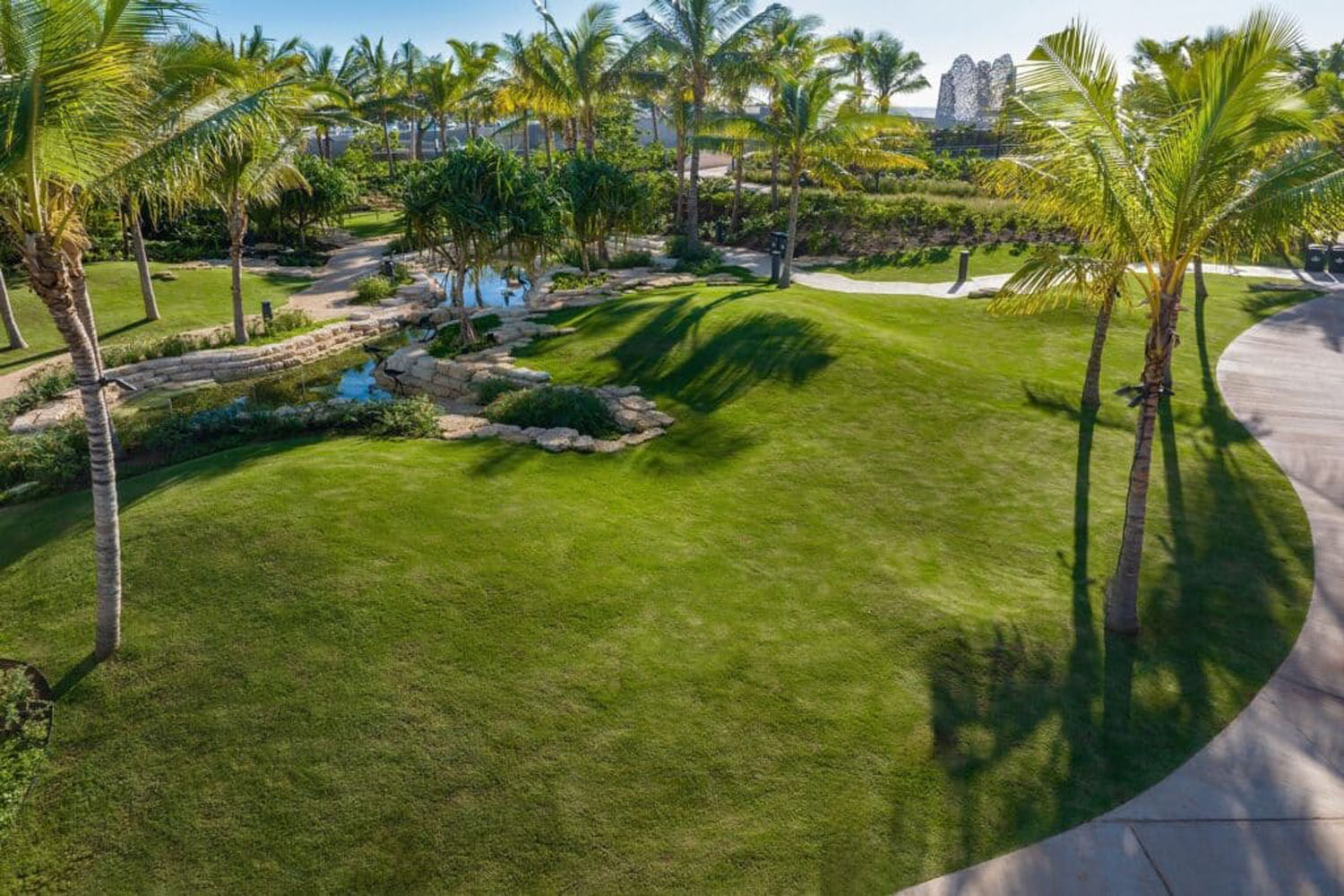
Get in Touch
Lucy Heath - Compass Real Estate Advisor Hawaii
Feb. 1, 2026

From Renting to Owning in Kaka'ako and Ala Moana

Ala Moana condos for sale exterior Kakaako

How to move from renting to owning in Kakaʻako and Ala Moana with clarity and confidence

A practical guide to making the transition with clarity and confidence

For many residents of Kakaʻako and Ala Moana, the idea of purchasing a condominium doesn’t begin with a sudden decision. It usually starts gradually, watching listings in your building, noticing sales in nearby towers, or simply becoming more aware of how the market is moving around you.

At some point, the question shifts from Should I keep renting? to Would buying make sense for me now or in the near future?

The transition from renting to owning is less about timing the market perfectly and more about understanding the process, the numbers, and the long-term implications of the decision.

This guide outlines what that transition typically looks like in these neighborhoods.

Step 1: Understand the Financial Picture

Before looking at properties, it helps to understand what ownership would realistically look like month-to-month.

In Kakaʻako and Ala Moana, ownership costs typically include:

  • Mortgage payment
  • Property taxes
  • Homeowners association (HOA) dues
  • Insurance
  • Utilities and maintenance

In these neighborhoods, ownership costs frequently exceed comparable rents, particularly when HOA dues, financing, and taxes are fully accounted for. The decision to buy is therefore usually driven by long-term positioning, stability, and asset ownership rather than short-term monthly savings.

Running real numbers early helps create clarity and allows buyers to evaluate decisions with confidence rather than assumptions.

Step 2: Get Pre-Approved Early

Pre-approval is not just a formality. It provides clarity around:

  • Purchase price range
  • Estimated monthly payments
  • Loan options and interest rates
  • Cash required to close

Most pre-approvals are typically valid for about 90 days, which means buyers can begin exploring the market with a clear understanding of their range while still allowing flexibility in timing their purchase. Because rates and financials can change, refreshing a pre-approval before writing an offer is often advisable.

In competitive buildings or well-priced listings, being pre-approved can make the difference between securing a property and missing the opportunity.

It also allows buyers to evaluate options with certainty rather than guesswork.

Step 3: Identify the Right Buildings First

In Kakaʻako and Ala Moana, the building often matters as much as the unit itself.

Each building has its own characteristics:

  • HOA structure and financial health
  • Reserve levels and maintenance planning
  • Rental policies and owner-occupancy ratios
  • Amenities and operating costs
  • Long-term resale performance

This is why the search process often begins with narrowing down buildings that align with your goals before focusing on specific units.

Understanding these distinctions early helps prevent surprises later and leads to stronger long-term decisions.

Step 4: Understand the Hidden Differences Between Units

Two units in the same building can perform very differently over time, depending on:

  • Floor level and view orientation
  • Layout efficiency
  • Exposure to heat and sun
  • Future view protection
  • Noise factors and proximity to elevators or mechanical areas

These details are rarely obvious online but have a meaningful impact on both daily living and long-term resale value.

Step 5: Plan the Transition from Lease to Closing

One of the most common concerns renters have is timing.

A typical purchase timeline often looks like:

  • 1–2 weeks: Search and offer
  • 30–45 days: Escrow and closing

Planning around your lease can usually be coordinated smoothly, whether that means negotiating a flexible move-out date, overlapping slightly, or timing the closing to coincide with lease expiration.

With the right planning, the transition is typically far less disruptive than people expect.

Why Buyers Move Forward Even When Renting Is Less Expensive

In Kakaʻako and Ala Moana, ownership costs frequently exceed comparable rents, particularly when HOA dues, financing, and taxes are fully accounted for. The decision to buy is therefore usually driven by long-term positioning, stability, and asset ownership rather than short-term monthly savings.

Buyers who make the transition often do so for several reasons:

Stability and control Owning removes the uncertainty of lease renewals, rent increases, or needing to move when a landlord decides to sell or occupy the unit.

Long-term financial positioning Over time, equity accumulation and market appreciation can significantly change the financial picture, particularly for owners who plan to hold for many years.

Lifestyle alignment Many residents reach a point where they want to personalize their space, settle into a routine, or feel more rooted in the neighborhood.

Strategic flexibility Depending on the building’s policies, some owners choose to rent their unit in the future, creating optionality that renting does not provide.

For most buyers in these neighborhoods, the decision is less about comparing this year’s rent to this year’s mortgage and more about where they want to be in five or ten years.

What Renters in Kakaʻako and Ala Moana Often Overlook When They Start Looking to Buy

Renters who already live in these neighborhoods usually understand the lifestyle, the walkability, and the day-to-day rhythm of the area. What often comes as a surprise is how many variables matter once you move from renting in a building to owning in one.

Not all stacks and exposures perform the same Two units with the same square footage can feel very different depending on orientation, exposure to heat, view protection, and proximity to elevators or mechanical areas. These details influence both daily living and long-term resale.

HOA structure matters more than most expect Monthly dues vary widely between buildings, and the number alone doesn’t tell the whole story. Reserve funding, maintenance planning, and the way amenities are operated all affect long-term costs and future special assessment risk.

Rental policies and owner occupancy ratios matter Even buyers who plan to live in their unit often want flexibility in the future. Understanding a building’s rental rules, minimum lease terms, and owner-occupancy levels is important earlier in the process than most renters realize.

For example, some buildings in Ward Village require a minimum six-month rental period, while many single-family homes outside resort-zoned areas may be rented for a minimum of 90 days. These differences can significantly affect how a property can be used over time, particularly for owners who may want the option to rent in the future.

Recent sales data tells a deeper story than asking prices Online listings show what sellers hope to achieve. Comparable sales show what buyers have actually been willing to pay. Looking at price-per-square-foot trends, time on market, and negotiation patterns often changes how buyers evaluate value.

Price per square foot can also vary significantly within the same building depending on factors such as view, orientation, floor level, and stack location. Ocean-facing units, protected view corridors, and more efficient layouts often command meaningful premiums compared to similar-sized units on the opposite side of the building.

Interpreting this data correctly requires looking beyond averages and understanding how individual stacks and exposures perform over time. This is where working with an agent who tracks building-level sales patterns and understands these nuances can make a meaningful difference in evaluating value and making informed decisions.

The best opportunities are not always the most obvious listings In many cases, the strongest purchases come from understanding building-level trends, upcoming inventory, or units that are likely to become available before they formally hit the market.

For renters who already love living in Kakaʻako or Ala Moana, buying is often less about discovering a new neighborhood and more about choosing the right building, the right stack, and the right long-term position within a market they already know well.

When Does It Make Sense to Move From Renting to Buying?

There isn’t a universal answer, but many buyers find the timing makes sense when:

  • They plan to stay in Honolulu for several years
  • They have a stable income and savings
  • They want greater control over their living space
  • They begin thinking about long-term financial positioning rather than short-term flexibility

The right time is usually when the decision feels sustainable and well-considered, not rushed.

Final Thoughts

Moving from renting to owning in Kakaʻako or Ala Moana is a meaningful step, but it doesn’t need to be complicated. With the right preparation and guidance, the process becomes straightforward and manageable.

If you’re beginning to explore the idea and want a building-specific perspective grounded in current market data, I’m always happy to have that conversation.

Your Top Hawaiʻi Luxury Condo Specialist

Lucy Heath

Lucy Heath is a Real Estate Advisor at Compass and the founder of Luxury Condos Hawaiʻi, recognized for her expertise in refined condominium living in Kakaʻako and Ala Moana. She has lived in Ward Village for over six years, witnessing its transformation from the earliest stages of development into one of Honolulu's most sought-after neighborhoods.
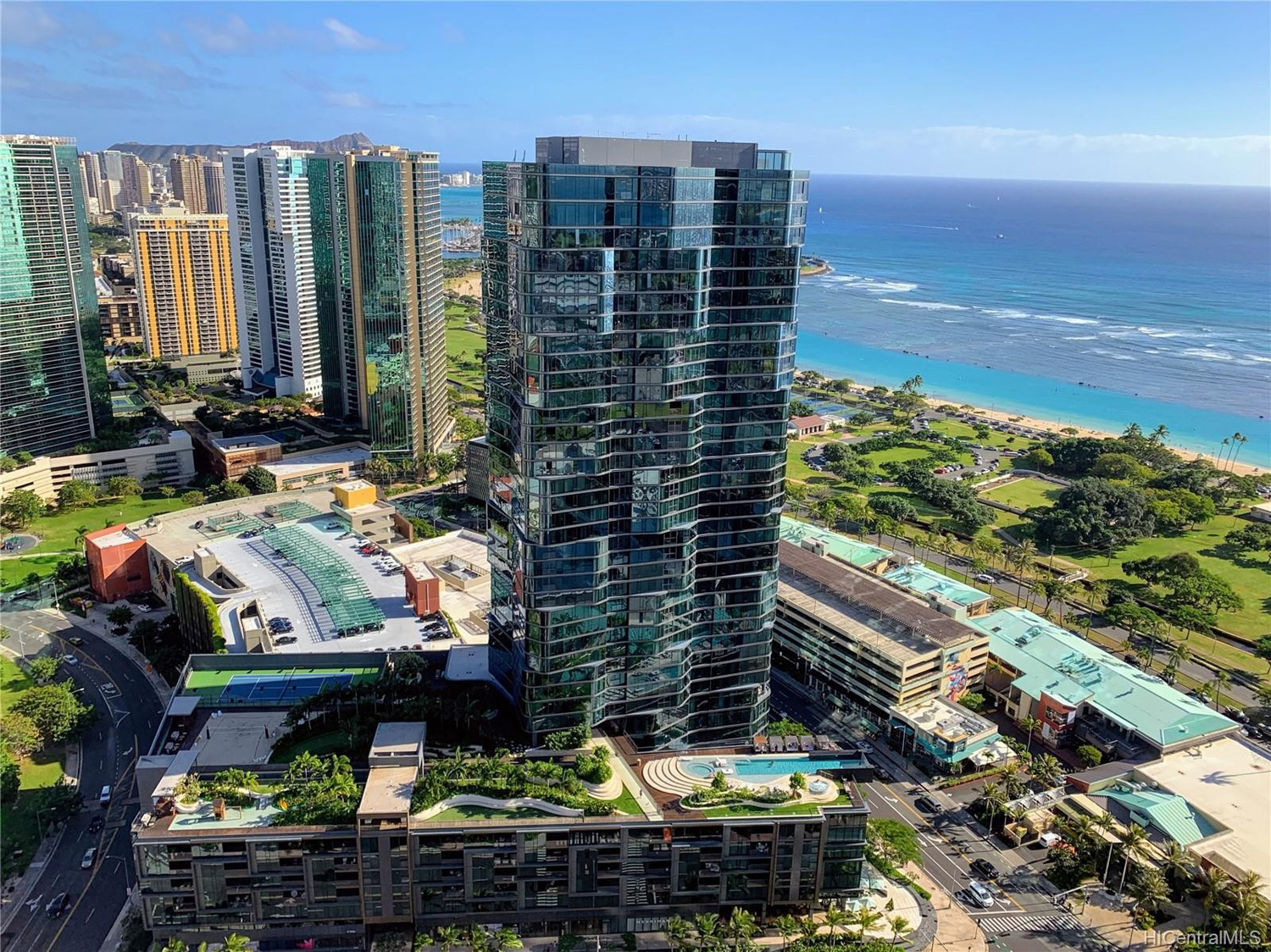
Get in Touch
Lucy Heath - Compass Real Estate Advisor Hawaii