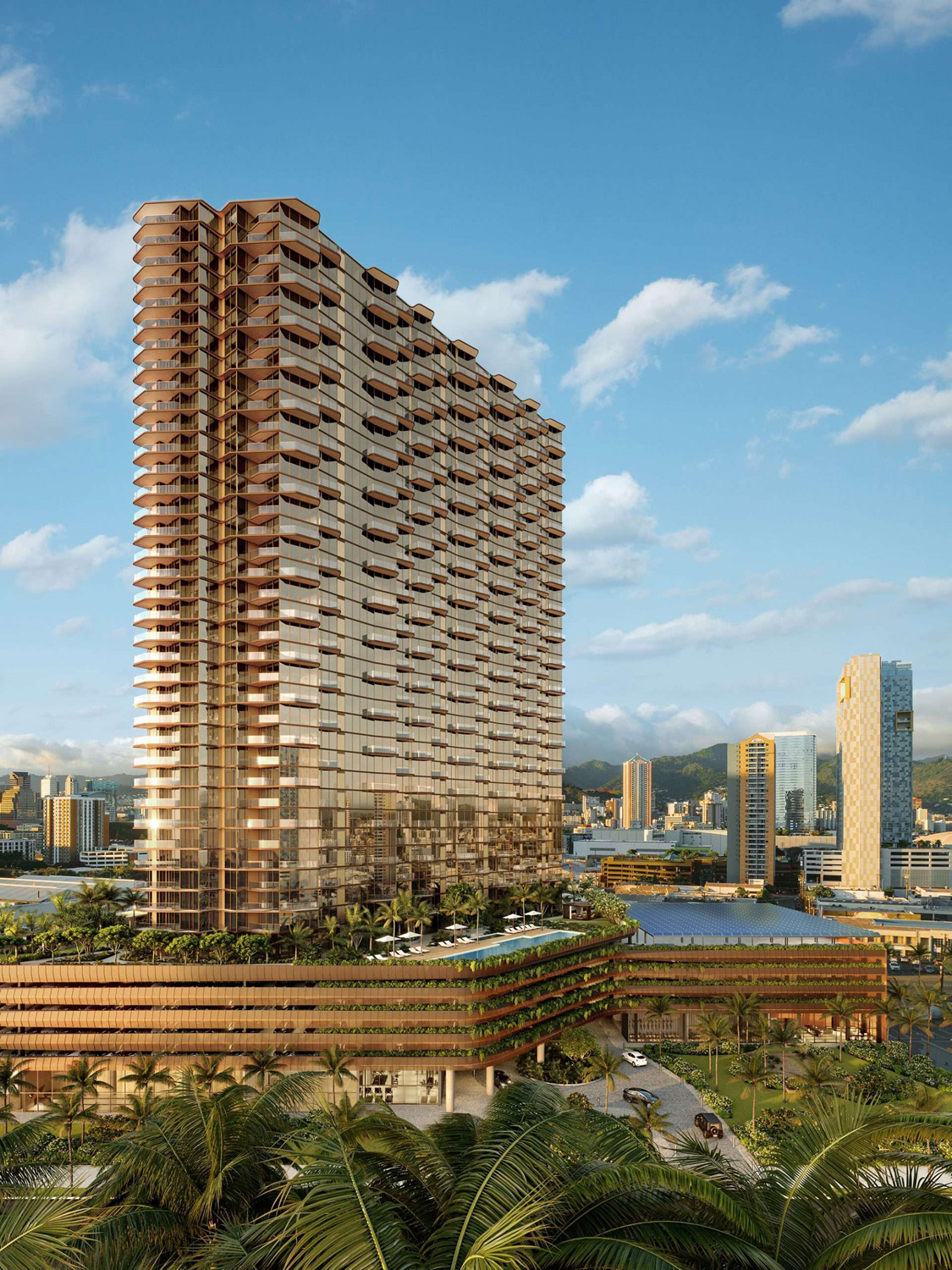
How to move from renting to owning in Kakaʻako and Ala Moana with clarity and confidence
A practical guide to making the transition with clarity and confidence
For many residents of Kakaʻako and Ala Moana, the idea of purchasing a condominium doesn’t begin with a sudden decision. It usually starts gradually, watching listings in your building, noticing sales in nearby towers, or simply becoming more aware of how the market is moving around you.
At some point, the question shifts from Should I keep renting? to Would buying make sense for me now or in the near future?
The transition from renting to owning is less about timing the market perfectly and more about understanding the process, the numbers, and the long-term implications of the decision.
This guide outlines what that transition typically looks like in these neighborhoods.
Step 1: Understand the Financial Picture
Before looking at properties, it helps to understand what ownership would realistically look like month-to-month.
In Kakaʻako and Ala Moana, ownership costs typically include:
- Mortgage payment
- Property taxes
- Homeowners association (HOA) dues
- Insurance
- Utilities and maintenance
In these neighborhoods, ownership costs frequently exceed comparable rents, particularly when HOA dues, financing, and taxes are fully accounted for. The decision to buy is therefore usually driven by long-term positioning, stability, and asset ownership rather than short-term monthly savings.
Running real numbers early helps create clarity and allows buyers to evaluate decisions with confidence rather than assumptions.
Step 2: Get Pre-Approved Early
Pre-approval is not just a formality. It provides clarity around:
- Purchase price range
- Estimated monthly payments
- Loan options and interest rates
- Cash required to close
Most pre-approvals are typically valid for about 90 days, which means buyers can begin exploring the market with a clear understanding of their range while still allowing flexibility in timing their purchase. Because rates and financials can change, refreshing a pre-approval before writing an offer is often advisable.
In competitive buildings or well-priced listings, being pre-approved can make the difference between securing a property and missing the opportunity.
It also allows buyers to evaluate options with certainty rather than guesswork.
Step 3: Identify the Right Buildings First
In Kakaʻako and Ala Moana, the building often matters as much as the unit itself.
Each building has its own characteristics:
- HOA structure and financial health
- Reserve levels and maintenance planning
- Rental policies and owner-occupancy ratios
- Amenities and operating costs
- Long-term resale performance
This is why the search process often begins with narrowing down buildings that align with your goals before focusing on specific units.
Understanding these distinctions early helps prevent surprises later and leads to stronger long-term decisions.
Step 4: Understand the Hidden Differences Between Units
Two units in the same building can perform very differently over time, depending on:
- Floor level and view orientation
- Layout efficiency
- Exposure to heat and sun
- Future view protection
- Noise factors and proximity to elevators or mechanical areas
These details are rarely obvious online but have a meaningful impact on both daily living and long-term resale value.
Step 5: Plan the Transition from Lease to Closing
One of the most common concerns renters have is timing.
A typical purchase timeline often looks like:
- 1–2 weeks: Search and offer
- 30–45 days: Escrow and closing
Planning around your lease can usually be coordinated smoothly, whether that means negotiating a flexible move-out date, overlapping slightly, or timing the closing to coincide with lease expiration.
With the right planning, the transition is typically far less disruptive than people expect.
Why Buyers Move Forward Even When Renting Is Less Expensive
In Kakaʻako and Ala Moana, ownership costs frequently exceed comparable rents, particularly when HOA dues, financing, and taxes are fully accounted for. The decision to buy is therefore usually driven by long-term positioning, stability, and asset ownership rather than short-term monthly savings.
Buyers who make the transition often do so for several reasons:
Stability and control Owning removes the uncertainty of lease renewals, rent increases, or needing to move when a landlord decides to sell or occupy the unit.
Long-term financial positioning Over time, equity accumulation and market appreciation can significantly change the financial picture, particularly for owners who plan to hold for many years.
Lifestyle alignment Many residents reach a point where they want to personalize their space, settle into a routine, or feel more rooted in the neighborhood.
Strategic flexibility Depending on the building’s policies, some owners choose to rent their unit in the future, creating optionality that renting does not provide.
For most buyers in these neighborhoods, the decision is less about comparing this year’s rent to this year’s mortgage and more about where they want to be in five or ten years.
What Renters in Kakaʻako and Ala Moana Often Overlook When They Start Looking to Buy
Renters who already live in these neighborhoods usually understand the lifestyle, the walkability, and the day-to-day rhythm of the area. What often comes as a surprise is how many variables matter once you move from renting in a building to owning in one.
Not all stacks and exposures perform the same Two units with the same square footage can feel very different depending on orientation, exposure to heat, view protection, and proximity to elevators or mechanical areas. These details influence both daily living and long-term resale.
HOA structure matters more than most expect Monthly dues vary widely between buildings, and the number alone doesn’t tell the whole story. Reserve funding, maintenance planning, and the way amenities are operated all affect long-term costs and future special assessment risk.
Rental policies and owner occupancy ratios matter Even buyers who plan to live in their unit often want flexibility in the future. Understanding a building’s rental rules, minimum lease terms, and owner-occupancy levels is important earlier in the process than most renters realize.
For example, some buildings in Ward Village require a minimum six-month rental period, while many single-family homes outside resort-zoned areas may be rented for a minimum of 90 days. These differences can significantly affect how a property can be used over time, particularly for owners who may want the option to rent in the future.
Recent sales data tells a deeper story than asking prices Online listings show what sellers hope to achieve. Comparable sales show what buyers have actually been willing to pay. Looking at price-per-square-foot trends, time on market, and negotiation patterns often changes how buyers evaluate value.
Price per square foot can also vary significantly within the same building depending on factors such as view, orientation, floor level, and stack location. Ocean-facing units, protected view corridors, and more efficient layouts often command meaningful premiums compared to similar-sized units on the opposite side of the building.
Interpreting this data correctly requires looking beyond averages and understanding how individual stacks and exposures perform over time. This is where working with an agent who tracks building-level sales patterns and understands these nuances can make a meaningful difference in evaluating value and making informed decisions.
The best opportunities are not always the most obvious listings In many cases, the strongest purchases come from understanding building-level trends, upcoming inventory, or units that are likely to become available before they formally hit the market.
For renters who already love living in Kakaʻako or Ala Moana, buying is often less about discovering a new neighborhood and more about choosing the right building, the right stack, and the right long-term position within a market they already know well.
When Does It Make Sense to Move From Renting to Buying?
There isn’t a universal answer, but many buyers find the timing makes sense when:
- They plan to stay in Honolulu for several years
- They have a stable income and savings
- They want greater control over their living space
- They begin thinking about long-term financial positioning rather than short-term flexibility
The right time is usually when the decision feels sustainable and well-considered, not rushed.
Final Thoughts
Moving from renting to owning in Kakaʻako or Ala Moana is a meaningful step, but it doesn’t need to be complicated. With the right preparation and guidance, the process becomes straightforward and manageable.
If you’re beginning to explore the idea and want a building-specific perspective grounded in current market data, I’m always happy to have that conversation.
Your Top Hawaiʻi Luxury Condo Specialist
Lucy Heath
Lucy Heath is a Real Estate Advisor at Compass and the founder of Luxury Condos Hawaiʻi, recognized for her expertise in refined condominium living in Kakaʻako and Ala Moana. She has lived in Ward Village for over six years, witnessing its transformation from the earliest stages of development into one of Honolulu's most sought-after neighborhoods.
Get in Touch