A practical, buyer-focused look at Ward Village—how it was built, what it’s like to live here, and how to compare the towers
Ward Village Honolulu: A Buyer’s Guide to the Neighborhood, the Master Plan, and the Towers
If you are researching Ward Village, you are probably doing what many thoughtful buyers do before making a decision in Honolulu. You are trying to understand not just a building, but an entire neighborhood.
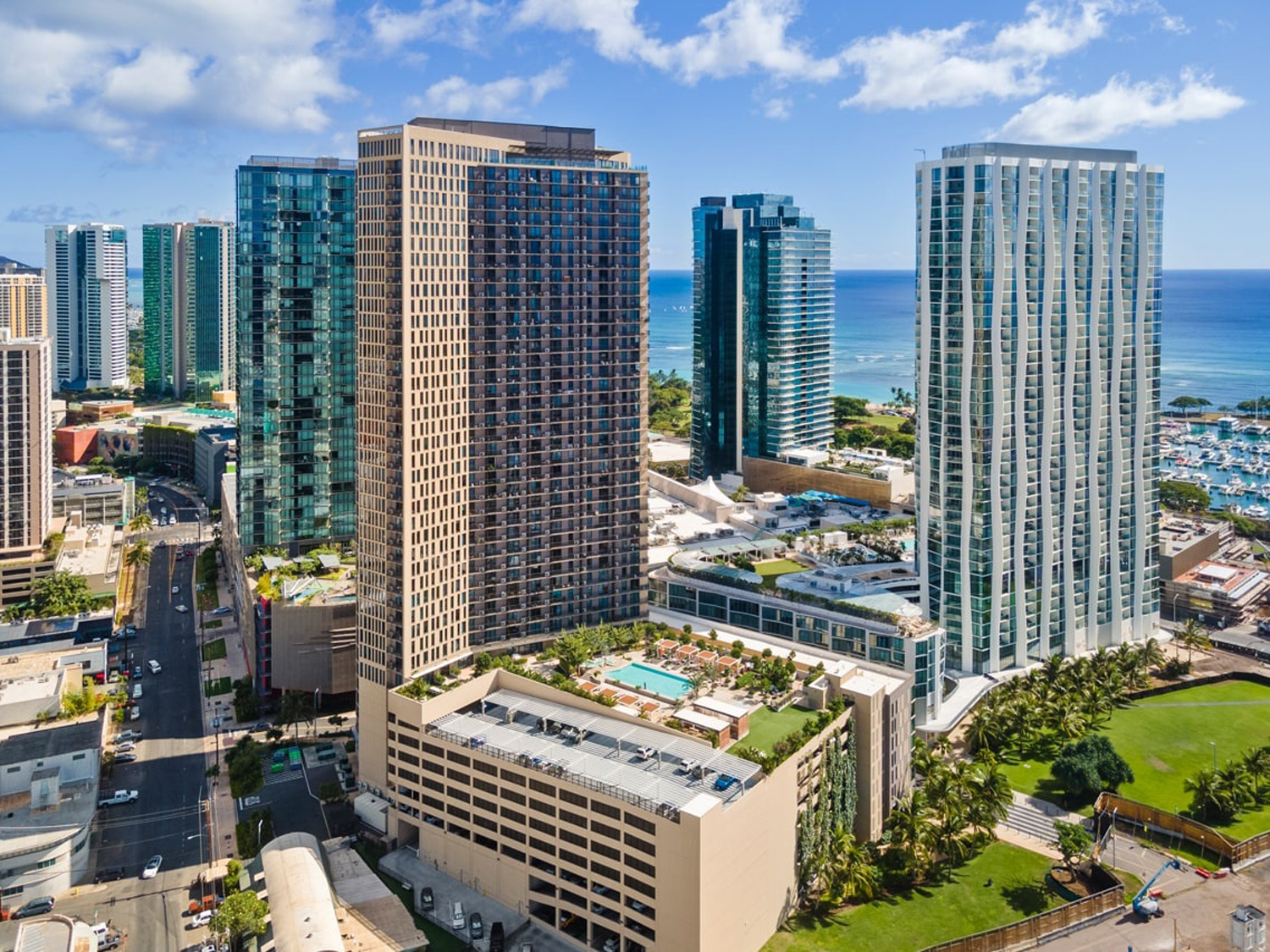
Ward Village is a 60-acre master planned community in Kakaʻako designed with a long-term vision. Residences, retail, parks, and walkable streets are integrated into a cohesive urban neighborhood. Rather than a collection of unrelated towers, it has been built in phases to function as a complete district where daily life is meant to feel easy, connected, and close to the ocean.
Having worked with many buyers exploring this area, one of the most common questions I hear is not just which building is best, but what it is actually like to live here and how the neighborhood came to be what it is today.
This guide is written for someone who wants the full picture. What Ward Village is, how the area evolved, who the Howard Hughes Corporation is, why people choose to live here, and how to think about the different towers and options.
A Brief History of Kakaʻako
Long before high-rise towers and parks, Kakaʻako was a coastal area shaped by wetlands, salt marshes, and fishponds. The name Kakaʻako is commonly translated as “to chop, beat, or prepare thatching,” a reference to the preparation of pili grass, which was traditionally used to thatch houses. The area’s natural landscape also supported salt production and fishing, both essential parts of daily life in pre-contact Hawaiʻi.
Over time, the shoreline was gradually filled, and the area transitioned into a working waterfront and industrial district. Warehouses, small businesses, and shipping-related uses defined Kakaʻako for much of the twentieth century.
That industrial past is still visible in parts of the neighborhood today, particularly in areas where warehouse buildings were later adapted into creative spaces, restaurants, and local businesses. It is part of what gives Kakaʻako its character and contrast, a mix of old and new that you do not find in many other parts of Honolulu.
The Story of Victoria Ward
The name Ward Village comes from Victoria Ward, a remarkable woman whose life and legacy shaped much of the land that now forms this neighborhood.
Victoria Ward was born in Honolulu in 1846, at a time when the city was still small and much of daily life centered near the harbor. She grew up in a respected family, was well educated, and spoke both Hawaiian and English fluently. Her family maintained close ties with the Hawaiian monarchy, and she moved within circles that included many of the most influential figures of the time.
As a young woman, she married Curtis Perry Ward, a successful businessman. Together, they built a life that combined family, land, and enterprise. Over time, through a combination of purchase and inheritance, the Ward family acquired extensive property stretching from what is now Thomas Square toward the ocean, encompassing much of present-day Kakaʻako.
Their home, known as Old Plantation, stood on land that was largely self-sufficient, with wells, gardens, fishponds, and pasture. It was both a family home and the center of a working estate, reflecting a way of life that was closely connected to the land itself.
When Curtis Perry Ward passed away unexpectedly, Victoria was left to manage the estate and raise seven daughters. At a time when few women were expected to lead large businesses or land operations, she stepped into that responsibility and successfully managed the family’s holdings, overseeing agricultural production and business activities that kept the estate thriving.
Victoria Ward was also known for her strong character and convictions. She maintained close ties with Queen Liliʻuokalani and remained deeply loyal to the Hawaiian monarchy, openly expressing her opposition to its overthrow in the 1890s.
In her later years, she helped establish a formal structure to manage the family’s lands so they could be preserved and responsibly stewarded for the future. When she passed away in 1935, she left behind not just property, but a legacy of leadership, resilience, and a deep connection to Hawaiʻi.
Today, the neighborhood that bears the Ward name continues to reflect that long history of land stewardship and careful planning, even as the area has evolved into one of Honolulu’s most modern residential communities.
Who Was Howard Hughes and Why the Developer Matters
Ward Village takes its name from the Ward family, but the modern neighborhood has been shaped by the vision of the Howard Hughes Corporation, the master developer behind the project.
Howard Hughes himself was one of the most well-known American figures of the twentieth century. Born in 1905, he was an aviator, engineer, film producer, and industrialist who became known for both his business ventures and his pioneering work in aviation. He set world airspeed records, designed advanced aircraft, and built companies in industries ranging from aerospace to film.
Later in life, Hughes also became a significant real estate investor, acquiring large land holdings in several major cities. Some of those properties eventually became the foundation of what is now the Howard Hughes Corporation, which today focuses on large-scale, master planned communities and mixed-use developments.
The Howard Hughes Corporation Today
The modern Howard Hughes Corporation specializes in developing large, long-term, master planned communities rather than individual buildings. Their projects are typically designed and built over decades, with a focus on creating cohesive neighborhoods rather than isolated structures.
Some of their best-known developments include The Woodlands in Texas, Summerlin in Las Vegas, and the redevelopment of Downtown Columbia in Maryland. These projects share a similar philosophy of long-term planning, phased development, and the creation of neighborhoods where people can live, work, and spend time in the same area.
Ward Village represents one of the company’s most significant urban projects and one of the few located in a coastal city center.
Why Hawaiʻi and Why Ward Village
The Ward area already had a long history as a retail and gathering place, and its location between Downtown Honolulu and Ala Moana made it uniquely positioned for redevelopment into a residential neighborhood. Proximity to the ocean, existing infrastructure, and the ability to plan the district as a whole rather than parcel by parcel made the site unusually well-suited for a master planned community.
For buyers, the practical takeaway is that Ward Village is being developed by a company with experience managing projects over long timelines. That often translates into a more cohesive neighborhood, carefully planned retail and public spaces, and a development strategy that unfolds in phases rather than all at once.
How Ward Village Has Evolved Over Time
The land that is now Ward Village has gone through several distinct phases, each shaping the neighborhood in different ways.
In the nineteenth century, much of the area was part of the Ward Estate, with open land, agriculture, and coastal uses that reflected the landscape of Honolulu at the time.
By the early and mid twentieth century, the shoreline had been gradually filled, and the district transitioned into a working waterfront and industrial area. Warehouses, small businesses, and shipping-related activity became common, and Kakaʻako developed a reputation as a practical, working part of the city.
In the second half of the twentieth century, parts of the Ward area were redeveloped into retail destinations, including Ward Warehouse and Ward Centre. For many longtime residents of Honolulu, this was the era when the neighborhood became a familiar gathering place for shopping, dining, and community events.
In the early 2010s, the land began its next transformation as Ward Village, a long-term master planned community designed to create a walkable, mixed-use neighborhood with residences, parks, and retail integrated together.
Since then, new residential towers, landscaped public spaces, and expanded pedestrian areas have gradually reshaped the district. The development continues to move forward in phases, with future projects planned to complete the vision of a fully realized urban coastal neighborhood.
What It Is Like to Live in Ward Village
Ward Village has a rhythm that many residents come to appreciate quickly. Daily life often includes walking to coffee, grocery stores, restaurants, or the beach path without needing to drive.
Ala Moana Beach Park and Kakaʻako Waterfront Park are both nearby. SALT and other local businesses add to the sense that this is a functioning neighborhood rather than a purely residential district.
This level of walkability is one of the primary reasons buyers choose Ward Village over other parts of Honolulu.
Ward Village Buildings at a Glance
Established and Market-Proven Towers
Reserved and Mixed-Income Residences
Under Construction and Planned Projects
- The Park Ward Village
- Launiu Ward Village
- ʻIlima Ward Village
- Melia Ward Village
- Mahana Ward Village
As these projects are completed, they will continue shaping the neighborhood’s streetscape, retail mix, and residential options.
Understanding the Differences Between the Towers
Although the towers are geographically close, they are not interchangeable. Differences between buildings can be meaningful and often influence both lifestyle and long-term value.
Position and orientation can affect views, sun exposure, and the overall feel of a residence. Even within the same building, units on different sides can feel dramatically different.
Amenities also vary. Some buildings emphasize privacy and a more residential atmosphere, while others are designed with a more social or resort-oriented feel.
Layout and interior design philosophy differ as well. Ceiling heights, window lines, lanai usability, and kitchen configuration all contribute to how a residence feels day-to-day.
Monthly ownership costs are another important consideration. HOA dues, reserve funding, insurance impacts, and any history of special assessments should all be part of the evaluation process.
Finally, some buyers prefer completed resale residences, while others are drawn to new development. Each path has advantages depending on priorities and timeline.
What It Feels Like Day to Day
For many residents, living in Ward Village is less about any single feature and more about how daily life feels. Morning coffee within walking distance, time outdoors, errands without a car, and evenings that might include a walk along the water or dinner nearby all become part of a routine that feels easy and connected to the neighborhood.
Who Ward Village Is Best For
Ward Village is a strong fit for buyers who value walkability, modern design, and proximity to the ocean. It appeals to people who want a neighborhood environment rather than a standalone tower and who appreciate thoughtful planning and cohesive development.
Buyers seeking a more suburban setting may find other parts of Honolulu better suited to their preferences, but for an urban coastal lifestyle, Ward Village remains one of the most compelling options on Oʻahu.
How I Help Buyers Choose the Right Building
The easiest way to narrow options in Ward Village is to start with priorities. Views, privacy, layout preferences, monthly cost comfort, and day-to-day lifestyle goals all help determine which buildings are the best fit.
Once those factors are clear, the decision process becomes much simpler and far more strategic.
If you are considering Ward Village and want a clear, building-specific perspective grounded in current market behavior, I am always happy to share what I am seeing and help you navigate the options with confidence.
Lucy Heath Luxury Condos Hawaiʻi
Your Top Hawaiʻi Luxury Condo Specialist
Lucy Heath
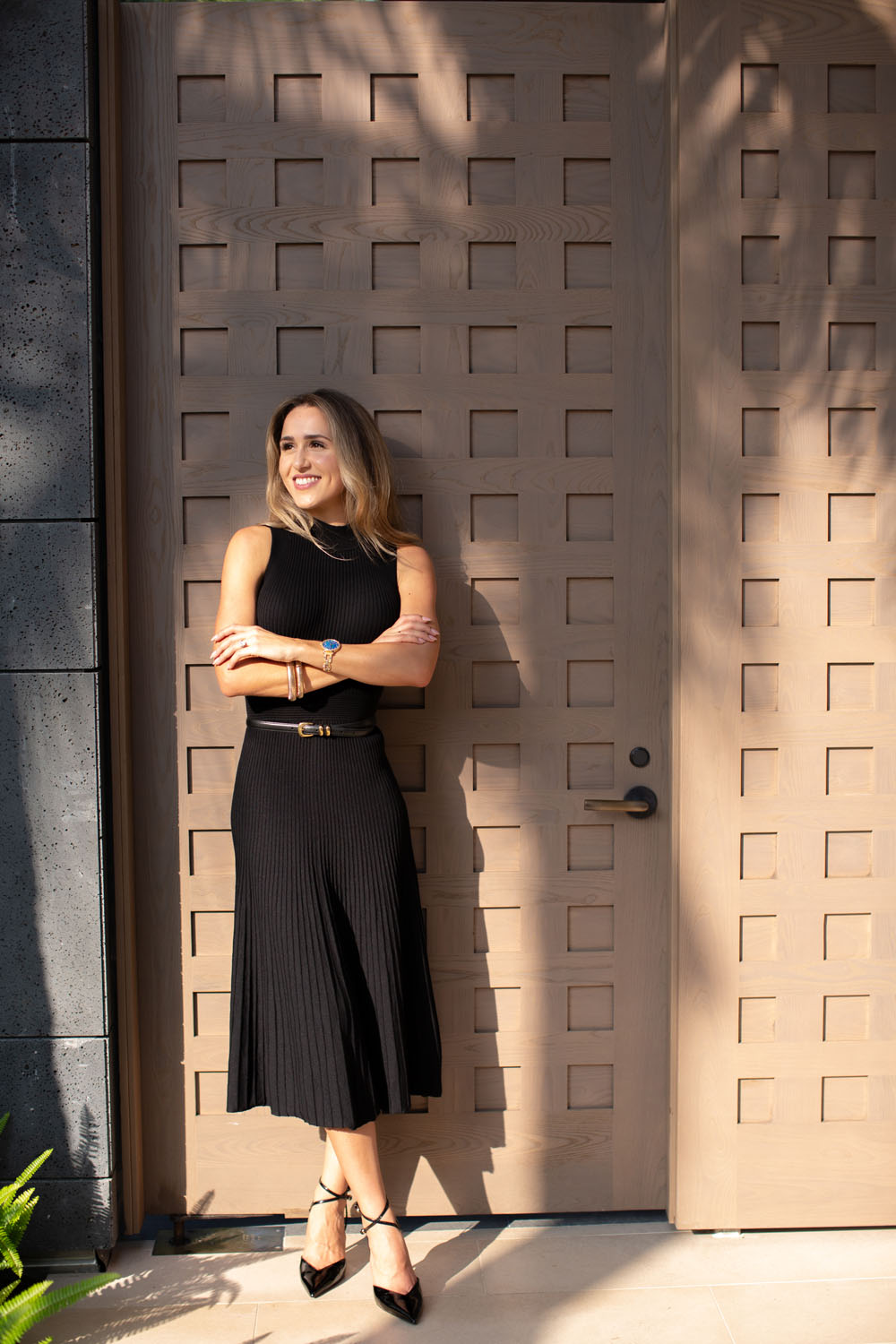
Lucy Heath is a Real Estate Advisor at Compass and the founder of Luxury Condos Hawaiʻi, recognized for her expertise in refined condominium living in Kakaʻako and Ala Moana. She has lived in Ward Village for over six years, witnessing its transformation from the earliest stages of development into one of Honolulu's most sought-after neighborhoods.
Get in Touch