The Pros and Cons of Buying New Construction in Kakaʻako
Understanding the Benefits and Tradeoffs of New Condos in Kakaʻako & Ala Moana
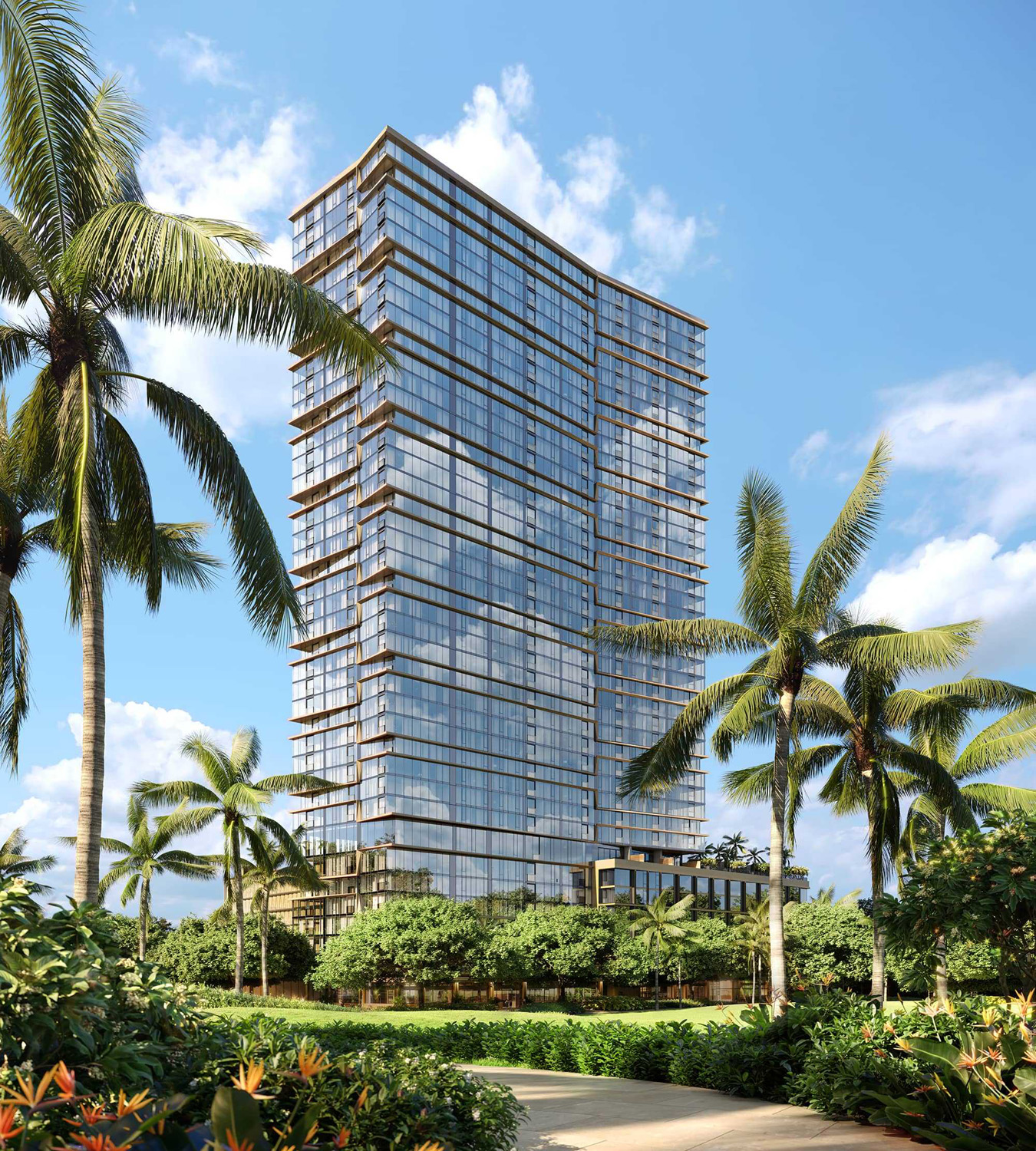
One of the most unique aspects of purchasing in Kakaʻako and Ala Moana is the opportunity to buy brand-new construction. That’s not something you see often on Oʻahu, especially in the urban core, where land is limited, and most inventory is already built out.
Developments like Ward Village have created a rare pipeline of new inventory, giving buyers the option to purchase into a project years before it is completed. That can be a strategic move, but it comes with its own set of considerations.
Here’s how I break it down for clients.
The Advantages of Buying New Construction
Modern design, layouts, and amenities
Newer buildings are designed for how people actually live today. You’ll typically see open-concept kitchens, integrated appliances, larger lanais, and floor-to-ceiling glass.
Amenity packages are also a major draw. Think resort-style pools, well-designed fitness centers, spa areas, co-working spaces, guest suites, and private dining rooms. Buildings like Anaha and Victoria Place are strong examples of design-forward amenity programming.
Ability to personalize your residence
Depending on the developer and timing of your purchase, you may be able to select finishes such as flooring, cabinetry tones, and backsplash materials.
This is one of the few ways in Honolulu condo living to create something that feels more tailored without taking on a full renovation.
Opportunity to combine units
In certain projects, developers allow buyers to purchase adjacent units and combine them into a larger custom residence.
This is especially appealing for buyers who want more square footage but still prefer the convenience and lifestyle of a high-rise.
Lower maintenance in the early years
With everything brand new, there is typically less immediate maintenance needed than in older buildings. Major systems, appliances, and finishes are all at the start of their lifecycle.
That said, this doesn’t mean costs will stay low in the long term. It just often delays larger capital expenses.
Potential for appreciation during construction
Buying early in the development phase can create an opportunity for price appreciation by the time the building is completed.
We’ve seen this play out in several Ward Village projects, where early buyers secured pricing that looks very different from the market at completion.
Developer warranties
Most new construction comes with warranties that cover certain elements of the unit and building systems for a defined period.
This adds a layer of protection, especially in the first few years of ownership.
The Tradeoffs to Consider
Higher entry pricing
New construction typically comes at a premium compared to resale inventory. You’re paying for newness, design, amenities, and future positioning within the neighborhood.
In some cases, comparable resale units in nearby buildings may offer better value on a price-per-square-foot basis.
Limited HOA track record
With a new building, there’s no established history for the association.
You won’t have years of financials, reserve studies, or meeting minutes to review. That makes it harder to evaluate how the building will be managed and how costs may evolve over time.
Additional reserve contributions at closing
Many new developments require buyers to contribute to the building’s reserve fund at closing. This is often a percentage of the purchase price and can be a meaningful upfront cost.
It’s not always top of mind for buyers, but it should be factored into the total cash required.
Long timelines and opportunity cost
New construction purchases often involve a 2–3 year timeline between contract and closing.
During that time:
- Your deposit is tied up
- You’re exposed to market shifts
- That capital isn’t being deployed elsewhere
Some developers offer nominal interest on deposits, but it typically doesn’t offset broader opportunity costs.
Construction delays
Delays are common in large-scale developments. Supply chain issues, labor constraints, and permitting can all impact timelines.
For buyers with strict timing needs, this is a real consideration.
Uncertainty around future value
With no resale history in the building, pricing benchmarks are limited.
You’re making a forward-looking decision based on:
- Developer pricing strategy
- Broader market conditions
- Your own view of the building’s long-term positioning
This is where understanding the developer’s track record and the surrounding pipeline becomes critical.
Final Thoughts
New construction in Kakaʻako and Ala Moana offers a compelling path into some of Honolulu’s most thoughtfully designed communities. It can be a strong long-term play, especially for buyers who value modern living, newer amenities, and the ability to secure a property early in its lifecycle.
At the same time, it requires a different level of analysis than resale. You’re not just evaluating a unit. You’re evaluating the vision, the timeline, and how the building will be used once it’s complete.
If you’re considering new construction and want to walk through specific projects, pricing strategies, or comparisons between buildings, I’m happy to share what I’m seeing on a building-by-building basis.
Your Top Hawaii Luxury Condo Specialist
Lucy Heath
Lucy Heath is a Real Estate Advisor at Compass and the founder of Luxury Condos Hawaiʻi, recognized for her expertise in refined condominium living in Kakaʻako and Ala Moana.
Get in Touch